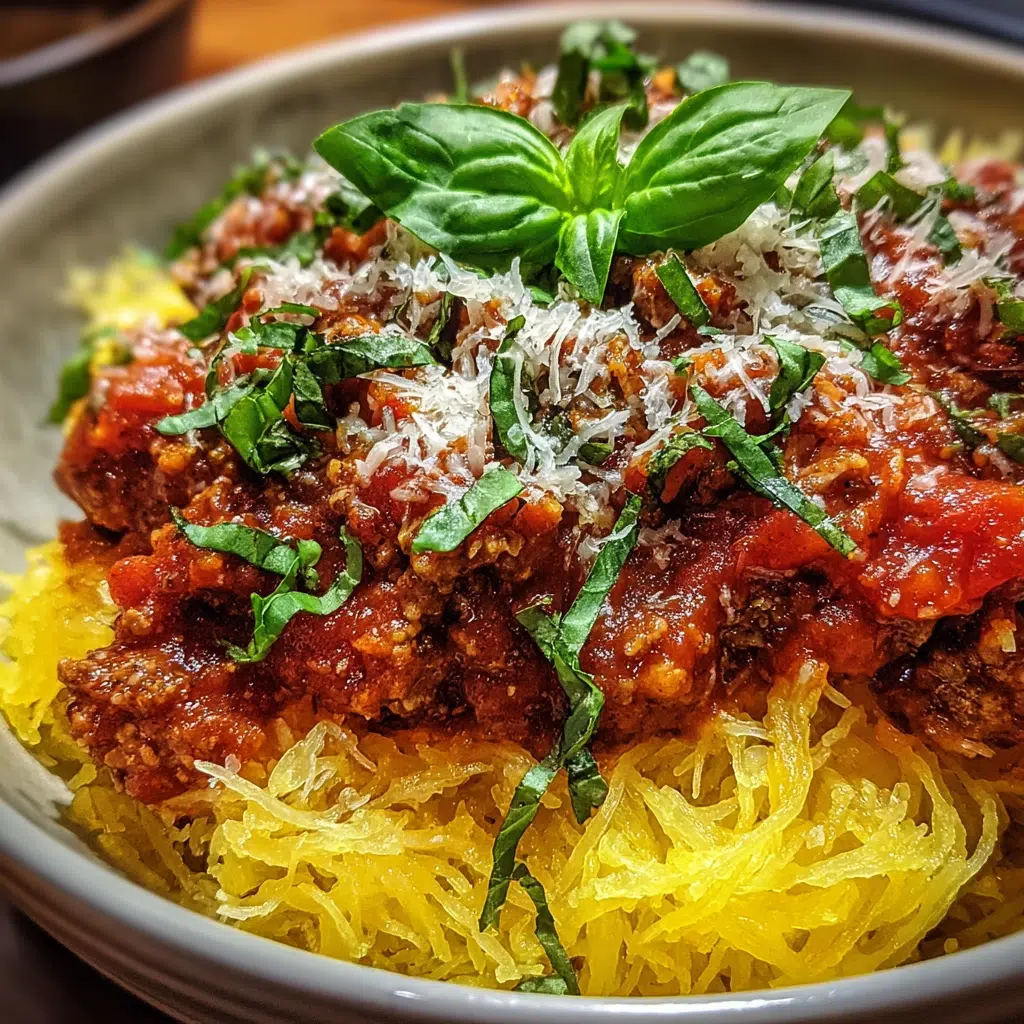
Craving a comforting bowl of Bolognese but want to keep it light and healthy? Spaghetti Squash Bolognese offers all the hearty, savory flavors of traditional Italian pasta while keeping carbs low and nutrients high. By swapping pasta for spaghetti squash, this dish transforms into a wholesome, guilt-free dinner that still satisfies your cravings. Its mild flavor pairs beautifully with a rich, slow-simmered sauce, making it the perfect comfort food for health-conscious eaters.
Spaghetti squash isn’t just a pasta alternative; it’s a nutrient-dense vegetable loaded with fiber, vitamins, and antioxidants. According to the University of Nebraska–Lincoln (UNL) Food program, one cup of cooked spaghetti squash contains only about 42 calories, compared to over 200 calories in a cup of traditional spaghetti. That means you can enjoy generous portions without derailing your health goals.
If you’re exploring other healthy comfort food recipes, discover great ideas like Fried Squash Recipe that balance indulgence and nutrition.
In this article, we’ll dive deep into everything you need to know: the nutritional benefits of spaghetti squash, how to roast and shred it perfectly, crafting a healthier Bolognese sauce, and smart variations to suit any diet.
What Is Spaghetti Squash Bolognese?
Spaghetti Squash Bolognese is a creative spin on the beloved Italian dish from Bologna. Instead of serving the rich, slow-cooked sauce over pasta, it’s paired with roasted spaghetti squash — a vegetable that naturally forms long, noodle-like strands once cooked. This creates a lighter but equally satisfying version of the classic.
Why Spaghetti Squash Is a Great Alternative to Pasta
For those watching carbs, following a gluten-free diet, or simply seeking variety, spaghetti squash makes a fantastic pasta substitute. It offers a slightly sweet, nutty flavor that complements savory sauces beautifully. The USDA’s Spaghetti Squash Household Food Fact Sheet highlights its high content of vitamin A, vitamin C, and antioxidants like lutein, which support eye and immune health.
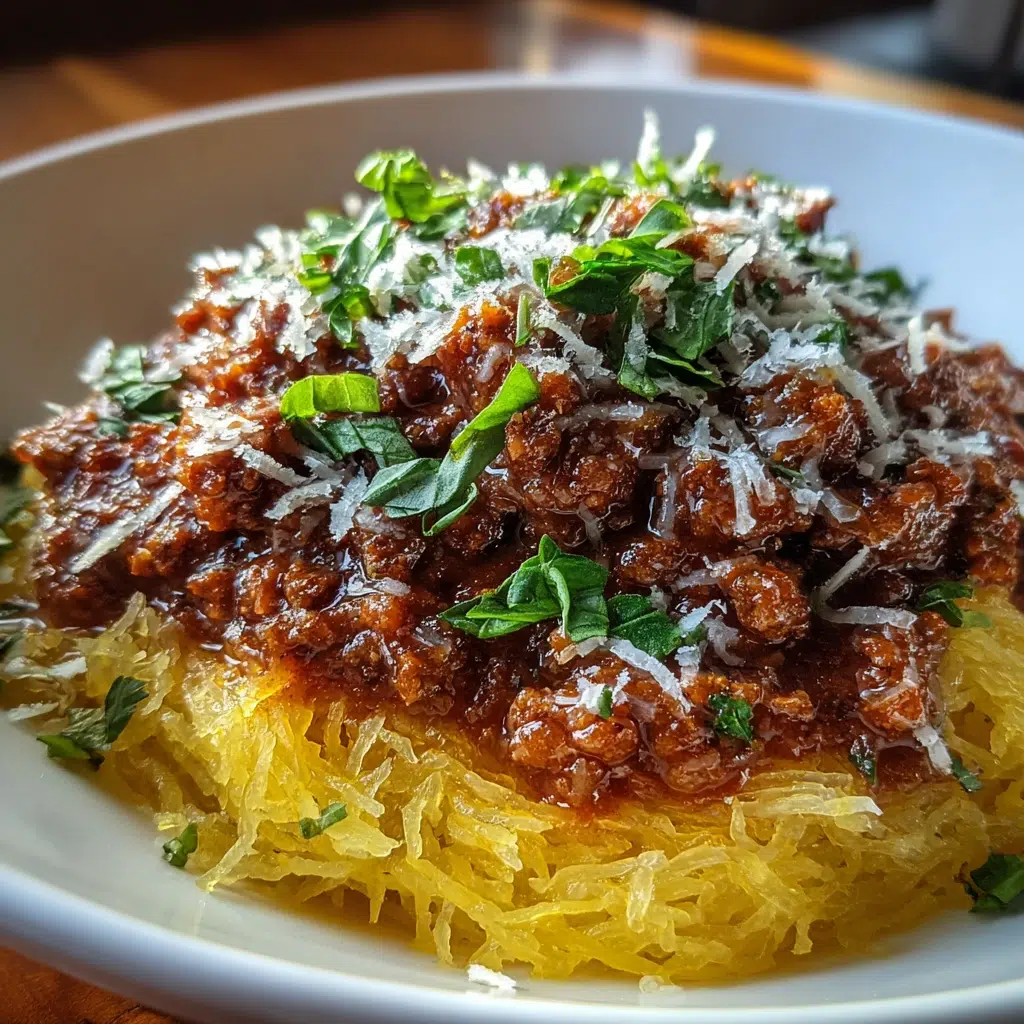

Spaghetti Squash Bolognese
Ingredients
Equipment
Method
- Preheat oven to 400°F (200°C). Slice spaghetti squash lengthwise and scoop out the seeds. Brush with olive oil, season with salt and pepper, and place cut-side down on a baking sheet.
- Roast for 30–40 minutes until tender. Let cool slightly, then use a fork to scrape the flesh into spaghetti-like strands. Set aside.
- Heat olive oil in a large pan over medium heat. Sauté diced onion, carrot, and celery until soft, about 5–7 minutes. Add minced garlic and cook 1 minute more.
- Add ground turkey or beef. Cook until browned, breaking it up with a spoon as it cooks, about 8–10 minutes.
- Stir in crushed tomatoes, red wine (if using), oregano, salt, and pepper. Reduce heat and simmer uncovered for 30–40 minutes, stirring occasionally. Add milk or cream in the last 5 minutes to mellow acidity.
- To serve, portion spaghetti squash into bowls and ladle Bolognese sauce on top. Garnish with fresh basil or parsley. Enjoy!
Nutrition
Notes
Tried this recipe?
Let us know how it was!The Popularity of Bolognese Sauce and Its Adaptations
Bolognese sauce has evolved far beyond its Italian origins. Today, cooks around the world adapt it to fit different lifestyles: swapping beef for turkey, using lentils for vegan versions, or even pairing it with alternative bases like zucchini noodles. Serving it over spaghetti squash is one of the most popular modern adaptations, blending tradition with health-forward eating.
The Health Benefits of Spaghetti Squash
Nutritional Profile of Spaghetti Squash
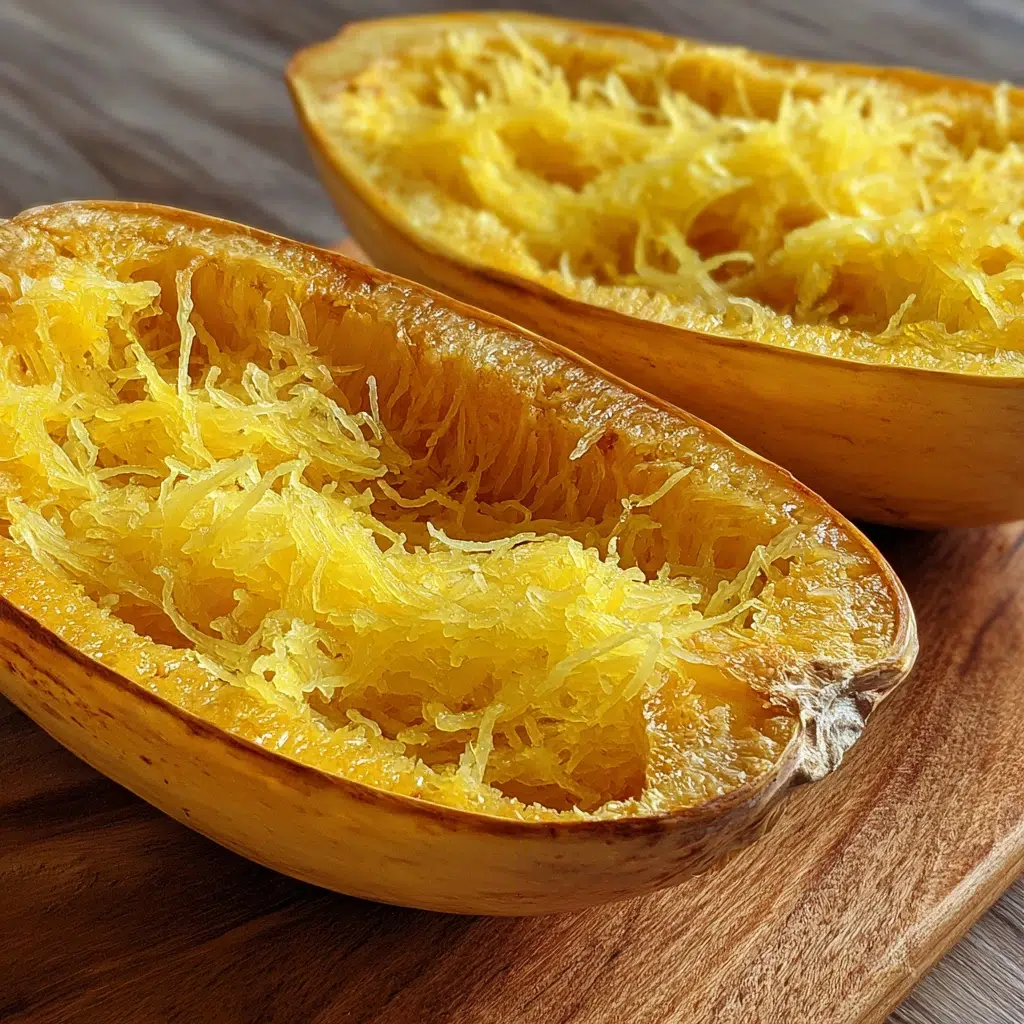
Spaghetti squash may look humble, but it’s a powerhouse of nutrition. A single cup of cooked squash delivers only about 40–45 calories while offering a good dose of fiber, vitamin C, potassium, and antioxidants. That makes it a filling yet light option for anyone seeking balance between flavor and wellness. Its fiber content helps regulate digestion, while its vitamin C supports immune function and collagen production for skin health.
How Spaghetti Squash Supports a Low-Carb or Gluten-Free Diet
Traditional pasta dishes can easily derail low-carb or gluten-free lifestyles, but spaghetti squash provides a tasty solution. Unlike pasta, which often spikes blood sugar levels, this vegetable has a lower glycemic impact and fewer carbs. Its naturally gluten-free makeup makes it safe for those with celiac disease or gluten intolerance. No wonder Spaghetti Squash Bolognese has become a go-to dish for health-conscious home cooks.
Comparing Spaghetti Squash to Traditional Pasta
When it comes to calorie and carb counts, the difference between pasta and spaghetti squash is striking. While one cup of cooked spaghetti contains around 220 calories and 43 grams of carbs, a cup of spaghetti squash has fewer than 50 calories and only about 10 grams of carbs. That’s a huge savings, without sacrificing satisfaction.
To put it into perspective:
| Food (1 cup cooked) | Calories | Carbs (g) | Fiber (g) | Gluten-Free? |
|---|---|---|---|---|
| Spaghetti (pasta) | ~220 | 43 | 2.5 | No |
| Spaghetti Squash | ~42 | 10 | 2.2 | Yes |
Clearly, swapping pasta for squash allows you to enjoy hearty favorites like Spaghetti Squash Bolognese while staying aligned with low-carb or gluten-free eating goals.
For another healthy comfort food that balances indulgence and nutrition, check out Cheesy Ground Chicken Pasta.
How to Prepare Spaghetti Squash for Bolognese
Step-by-Step Guide to Roasting Spaghetti Squash
Cooking spaghetti squash may look intimidating at first, but it’s actually simple once you know the steps. Start by preheating your oven to 400°F (200°C). Carefully slice the squash lengthwise using a sharp knife — the rind can be tough, so take your time. Scoop out the seeds and stringy pulp with a spoon, then drizzle the cut halves with olive oil. Season with salt and pepper before placing them cut-side down on a lined baking sheet. Roast for 30–40 minutes, or until the flesh is tender enough to shred with a fork.
Tips for Perfectly Shredding Spaghetti Squash
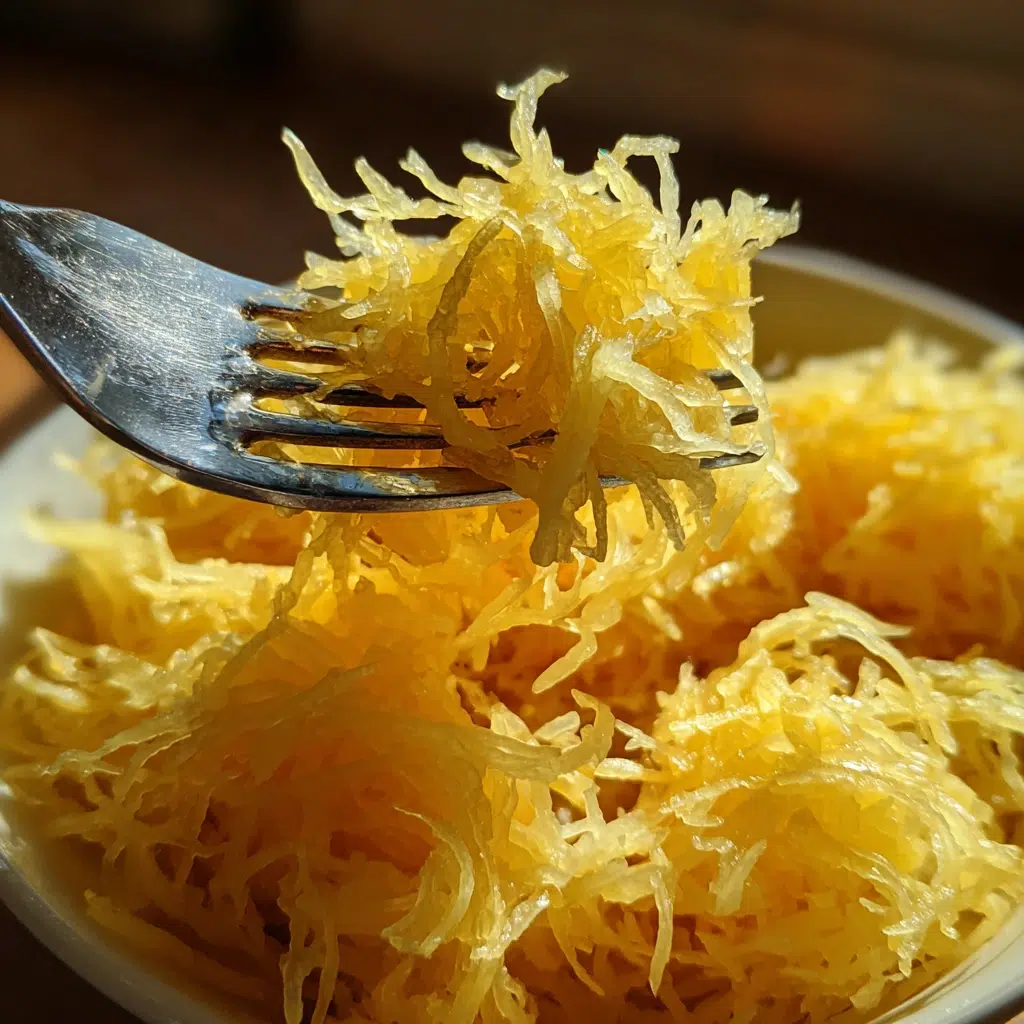
Once roasted, let the squash cool for a few minutes. Using a fork, gently scrape the flesh from top to bottom. You’ll notice it naturally separates into noodle-like strands — this is what makes it the perfect base for Spaghetti Squash Bolognese. Avoid over-scraping, as you want long, spaghetti-like strands rather than mashed squash.
Common Mistakes to Avoid When Cooking Spaghetti Squash
The biggest pitfall when preparing spaghetti squash is improper cooking time. Undercooking leaves the strands too firm, while overcooking turns them mushy. Aim for that sweet spot where the strands are tender but still hold their shape. Another mistake is skipping the olive oil before roasting — this step helps caramelize the edges and adds flavor. Lastly, avoid overcrowding the baking sheet, as it prevents even roasting.
Crafting the Perfect Bolognese Sauce
Traditional Bolognese Sauce Ingredients and Their Roles
A true Italian Bolognese is a dish built on patience and balance. Traditionally, the sauce starts with a combination of ground beef and pork, which provide richness and depth. Aromatic vegetables — onions, carrots, and celery — create a flavorful foundation known as soffritto. Tomatoes, garlic, and herbs add brightness, while red wine deepens the flavor. A splash of milk or cream at the end mellows acidity, giving the sauce its signature silky texture.
How to Adapt Bolognese Sauce for a Healthier Version
If you want a lighter take on Bolognese, simple swaps make a big difference. Ground turkey or chicken reduces fat while keeping protein high. Adding vegetables like mushrooms, zucchini, or bell peppers not only boosts nutrition but also stretches the sauce for bigger portions. For plant-based eaters, lentils or tofu crumble can mimic the meaty texture while keeping the dish vegan-friendly. With these adjustments, you can enjoy Spaghetti Squash Bolognese without compromising health goals.
Cooking Techniques for a Rich and Flavorful Sauce
The secret to unforgettable Bolognese is slow cooking. Begin by sautéing your soffritto until tender, then brown the meat thoroughly — this step develops the deep, savory notes the sauce is known for. Deglaze the pan with red wine, scraping up the browned bits for added flavor. Finally, let the sauce simmer on low heat for at least 30–40 minutes, or longer if you have the time. The longer it cooks, the more the flavors meld into a luxurious, hearty sauce that pairs perfectly with the delicate strands of spaghetti squash.
Combining Spaghetti Squash and Bolognese Sauce
How to Properly Pair Spaghetti Squash with Bolognese
Once your spaghetti squash is roasted and shredded into tender strands, it’s time to unite it with the sauce. Place a generous portion of squash into a bowl or plate, then ladle a hearty serving of your homemade Bolognese sauce over the top. The mild flavor of spaghetti squash balances the bold, savory notes of the sauce, creating a well-rounded dish that satisfies without the heaviness of pasta.
Presentation Tips for a Restaurant-Quality Dish
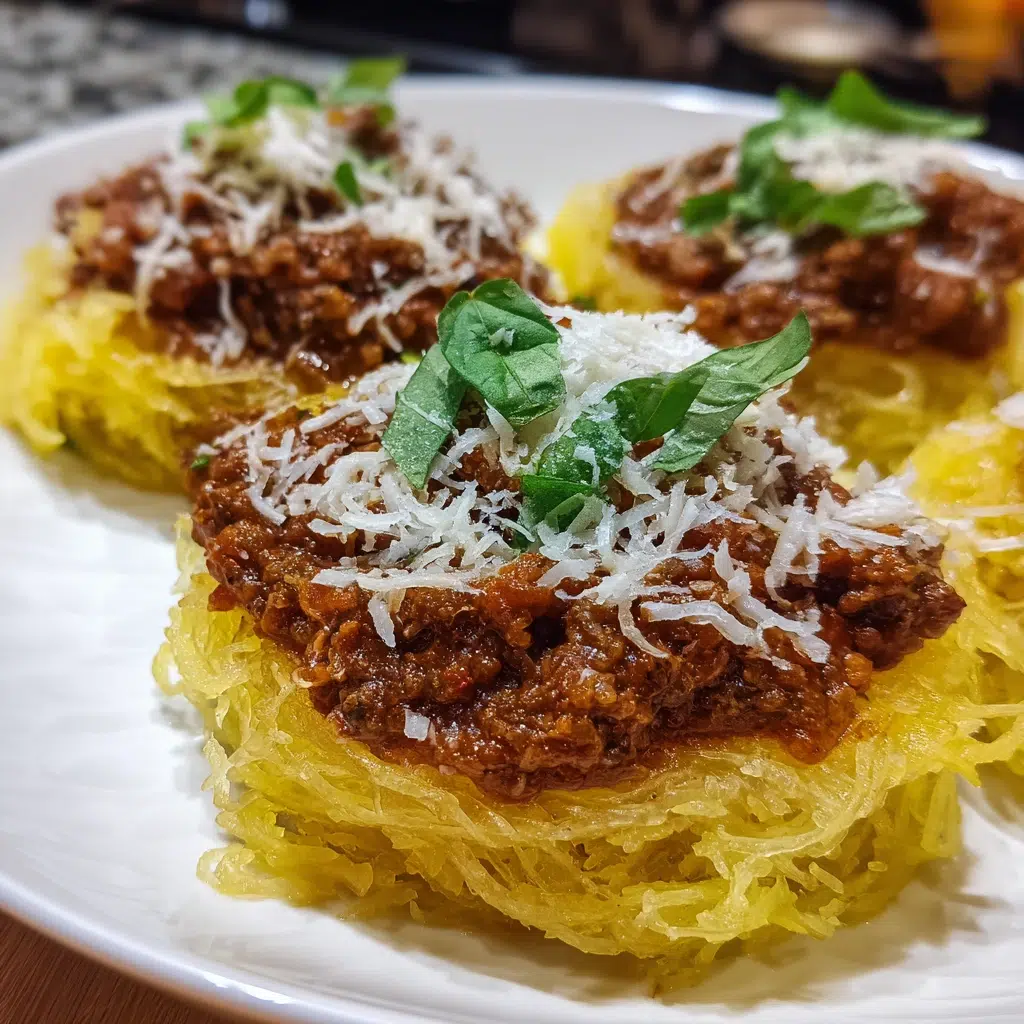
Presentation elevates even the simplest recipes. To serve Spaghetti Squash Bolognese like a pro, twirl the squash strands with a fork before topping with sauce for a pasta-like look. Garnish with freshly grated Parmesan, chopped basil, or parsley for a pop of color. A drizzle of extra-virgin olive oil or a crack of black pepper adds the finishing touch. Serve in wide bowls for a cozy, restaurant-style feel.
Serving Suggestions and Garnishes
Pairing this dish with the right sides makes it even more satisfying. A crisp green salad, roasted vegetables, or garlic bread complement the rich flavors perfectly. For a lighter pairing, steamed broccoli or a simple Caprese salad works well.
Variations of Spaghetti Squash Bolognese
Vegetarian and Vegan Options for Bolognese Sauce
You don’t need meat to enjoy a hearty bowl of Spaghetti Squash Bolognese. Plant-based swaps like lentils, black beans, or crumbled tofu provide protein and texture without animal products. For a vegan-friendly twist, nutritional yeast can replace Parmesan, delivering a cheesy, savory flavor. These adaptations prove that Bolognese can be just as satisfying in a meatless form, perfect for meatless Mondays or fully plant-based diets.
Adding Unique Ingredients for a Personalized Touch
One of the joys of cooking is making recipes your own. You can elevate your Bolognese sauce by incorporating sun-dried tomatoes, roasted red peppers, or spinach for extra nutrients and flavor. A pinch of crushed red pepper flakes brings heat, while smoked paprika or a splash of liquid smoke adds depth. These simple tweaks ensure your Spaghetti Squash Bolognese feels fresh and exciting every time.
International Twists on Spaghetti Squash Bolognese
Take inspiration from global cuisines to reinvent this classic dish. For a Mexican-inspired version, add cumin, chili powder, and black beans, then top with avocado and cilantro. For an Asian twist, try a soy sauce-based sauce with garlic, ginger, and shiitake mushrooms. Spaghetti squash’s neutral flavor makes it versatile enough to handle a wide range of seasonings and styles.
Storing and Reheating Spaghetti Squash Bolognese
Best Practices for Storing Leftovers
Spaghetti Squash Bolognese makes excellent leftovers when stored properly. Place the cooled dish in an airtight container and refrigerate it for up to 3–4 days. For longer storage, freeze individual portions in freezer-safe containers or bags for up to 3 months. To avoid soggy squash, keep the sauce and squash in separate containers until ready to serve.
How to Reheat Without Losing Flavor or Texture
Reheating spaghetti squash requires a gentle touch to prevent mushiness. For best results, warm it in the oven at 350°F (175°C) until heated through. If using the microwave, cover the dish with a damp paper towel to retain moisture and prevent drying out. Stir occasionally to ensure the Bolognese sauce and squash heat evenly.
Creative Ways to Repurpose Leftovers
Leftovers don’t have to be boring. Transform your Spaghetti Squash Bolognese into new meals by using it as a filling for stuffed bell peppers or layering it with cheese for a baked casserole. You can even mix it into a frittata for a protein-rich breakfast. Repurposing keeps things exciting while reducing food waste.
If you’re looking for other cozy, versatile meals, don’t miss our Busy Day Soup Recipe — another simple dish that’s perfect for meal prep and leftovers.
FAQs
Can I Freeze Spaghetti Squash Bolognese?
Yes, you can! Spaghetti Squash Bolognese freezes well, making it a convenient make-ahead meal. Store portions in airtight, freezer-safe containers or bags for up to 3 months. For best results, thaw in the refrigerator overnight before reheating. While the squash may soften slightly after freezing, the flavors of the sauce remain rich and satisfying.
How Long Does Spaghetti Squash Last in the Fridge?
Cooked spaghetti squash can be stored in the refrigerator for 3–5 days when kept in an airtight container. If you’ve already combined it with Bolognese sauce, it’s best to enjoy it within 3–4 days to maintain optimal texture and taste.
Is Spaghetti Squash Bolognese Kid-Friendly?
Absolutely. Kids often love the noodle-like strands of spaghetti squash. For picky eaters, you can blend the sauce to hide visible veggies or keep the seasoning mild. Adding cheese on top can also make the dish more appealing for children.
What Are the Best Side Dishes to Serve with This Meal?
Spaghetti Squash Bolognese pairs well with many sides. Try a crisp garden salad, roasted vegetables, or classic garlic bread. For lighter options, steamed broccoli or a Caprese salad are perfect complements.
Can I Make a Vegetarian or Vegan Version?
Yes — vegetarian and vegan variations are easy to prepare. Swap ground meat for lentils, mushrooms, or crumbled tofu, and replace Parmesan with nutritional yeast for a dairy-free cheesy flavor. The result is just as hearty and satisfying.
Conclusion – Why Spaghetti Squash Bolognese Deserves a Spot on Your Table
Spaghetti Squash Bolognese isn’t just another pasta substitute — it’s a wholesome, flavorful dish that bridges comfort and health in every bite. By swapping out traditional pasta for spaghetti squash, you cut down on carbs and calories while boosting fiber, vitamins, and antioxidants. The sauce, whether prepared in its classic form or adapted with lighter ingredients, ensures the meal stays rich, savory, and deeply satisfying.
This dish is versatile enough to please everyone — from families looking for a nutritious weeknight dinner to health-conscious eaters sticking to low-carb or gluten-free lifestyles. Plus, with endless variations and international twists, Spaghetti Squash Bolognese can easily become a regular in your meal rotation without ever feeling repetitive.
So why not give it a try? Roast your spaghetti squash, whip up a hearty Bolognese sauce, and see for yourself how this recipe redefines comfort food. For a light dessert pairing, don’t miss our Greek Yogurt Parfait Recipes — the perfect refreshing finish after a hearty meal.
Spaghetti Squash Bolognese deserves a spot on your table not just for its flavor, but for the balance it brings between indulgence and mindful eating. Once you try it, you may never look at pasta night the same way again.