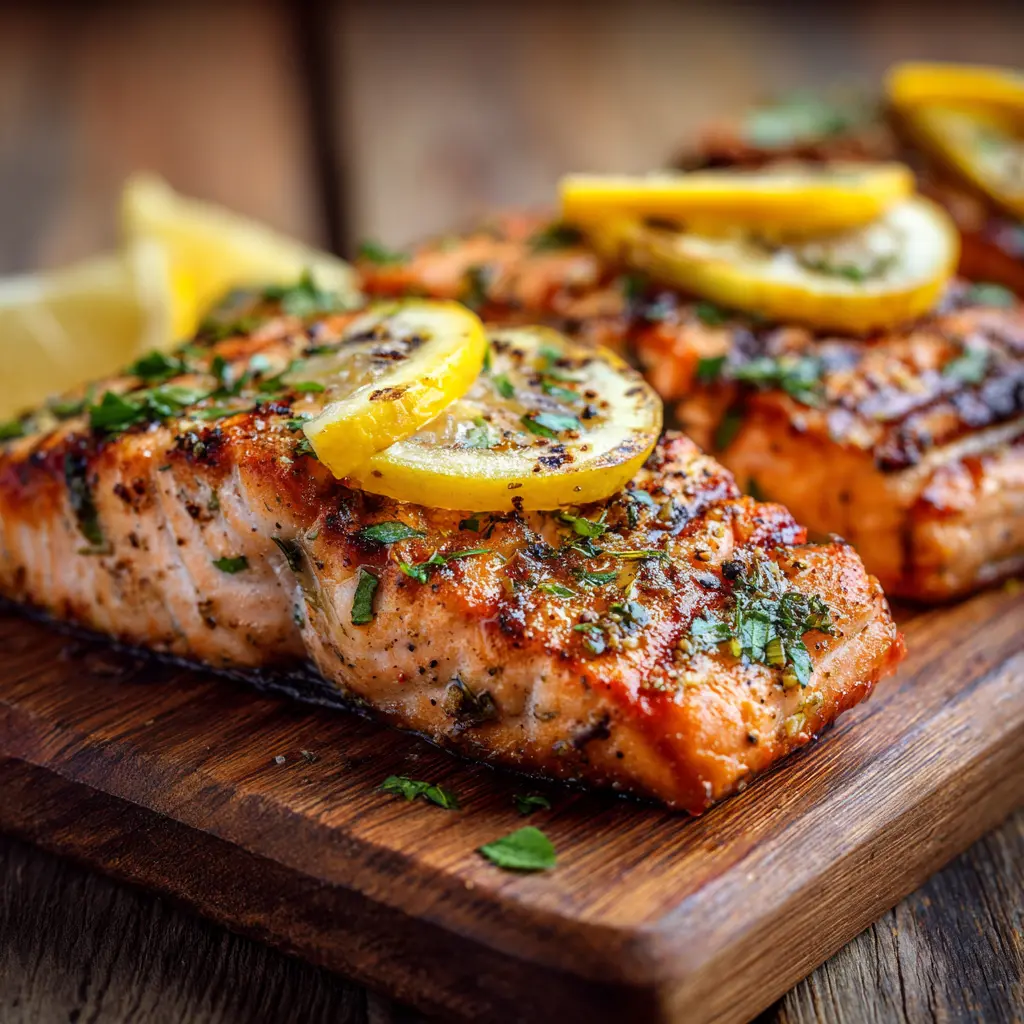
If you’re wondering how to cook salmon cut steaks like a pro, you’ve come to the right place. Whether you’re craving a quick healthy meal or planning a gourmet dinner, salmon cut steaks offer a rich, savory taste with impressive presentation. This comprehensive guide walks you through everything you need to know — from choosing the best cuts and understanding their benefits to mastering popular cooking methods like grilling, pan-searing, and baking.
We’ll also explore flavorful marinades and side dish pairings that complement your salmon steaks beautifully. Plus, you’ll get expert tips on avoiding common mistakes, storing leftovers, reheating without drying, and answers to frequently asked questions.
Don’t miss our Salmon and Rice Recipe for another delicious way to enjoy salmon!
Now, let’s dive into the world of salmon cut steaks, starting with understanding what makes these cuts so unique.
Understanding Salmon Cut Steaks
What Are Salmon Cut Steaks?
Salmon cut steaks are cross-sectional slices taken from the whole salmon, including the bone in the center and often the belly portion, which adds a rich and fatty flavor. Unlike salmon fillets that are cut along the fish’s length, steaks are thicker, round, and generally more satisfying in texture and portion size.
Each steak offers a well-balanced ratio of lean meat, healthy fat, and collagen-rich skin, making it one of the most versatile and elegant ways to prepare salmon. Their uniform shape and thickness help them cook more evenly and hold together better on the grill or in a skillet.
These steaks are ideal for methods that require direct heat like grilling or searing because they maintain their form and don’t fall apart easily.
Why Choose Steaks Over Fillets?
While fillets are more common in everyday cooking, salmon cut steaks deliver several advantages:
- Better Flavor Retention: The bone in the center helps retain moisture and adds flavor while cooking.
- Hearty Texture: The slightly thicker cut provides a meatier bite, making it a more satisfying meal.
- Ideal for High-Heat Cooking: Steaks are less likely to flake or break apart when flipped on the grill or in a hot pan.
- Elegant Presentation: Their round shape looks stunning on a dinner plate, especially when paired with vibrant sides and sauces.
Another benefit? You get more of the belly, the fattiest, most flavorful part of the salmon — loved by chefs and foodies alike for its buttery texture.
Pro Tip: If you’re planning to cook for guests or aiming to impress with presentation, salmon cut steaks are your best bet. Their structural integrity and beautiful marbling set them apart.

How to Cook Salmon Cut Steaks
Ingredients
Equipment
Method
- Pat salmon cut steaks dry with a paper towel. Check for pin bones and remove with tweezers if needed.
- In a small bowl, mix olive oil, lemon juice, garlic, dill, Dijon mustard, salt, and pepper to create a marinade.
- Rub the marinade over the salmon steaks and let sit at room temperature for 15 minutes.
- Grill Option: Preheat grill to medium-high (400°F). Oil grates. Grill salmon skin-side down 4–6 minutes per side.
- Pan-Sear Option: Heat skillet with oil over medium-high. Sear steaks skin-side down 4 minutes, flip and cook 3–4 more minutes.
- Oven Option: Preheat oven to 375°F (190°C). Place steaks on a lined baking tray. Bake 12–15 minutes or until 145°F internal temp.
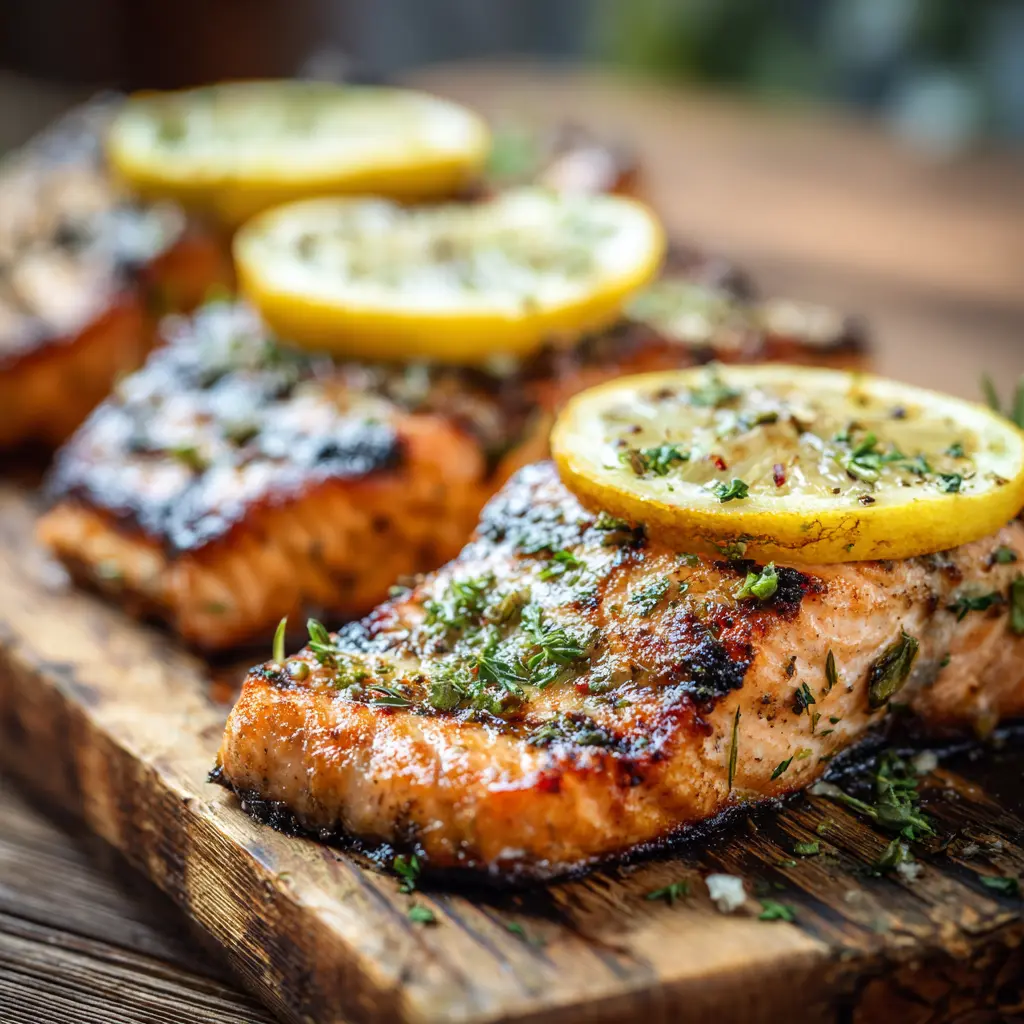
- Remove salmon from heat. Let rest 2 minutes. Garnish with lemon slices or herbs if desired. Serve warm with chosen sides.
Nutrition
Notes
Tried this recipe?
Let us know how it was!Nutritional Benefits of Salmon Cut Steaks
Omega-3s and Heart Health
One of the top reasons people turn to salmon is its impressive content of omega-3 fatty acids, particularly EPA and DHA. These healthy fats are well known for their role in:
- Reducing inflammation
- Improving cardiovascular health
- Lowering triglyceride levels
- Supporting brain function and development
Salmon cut steaks are especially beneficial because they often include the belly portion, which contains the highest concentration of omega-3s in the entire fish. That means every bite delivers more heart-healthy nutrients compared to leaner fillets.
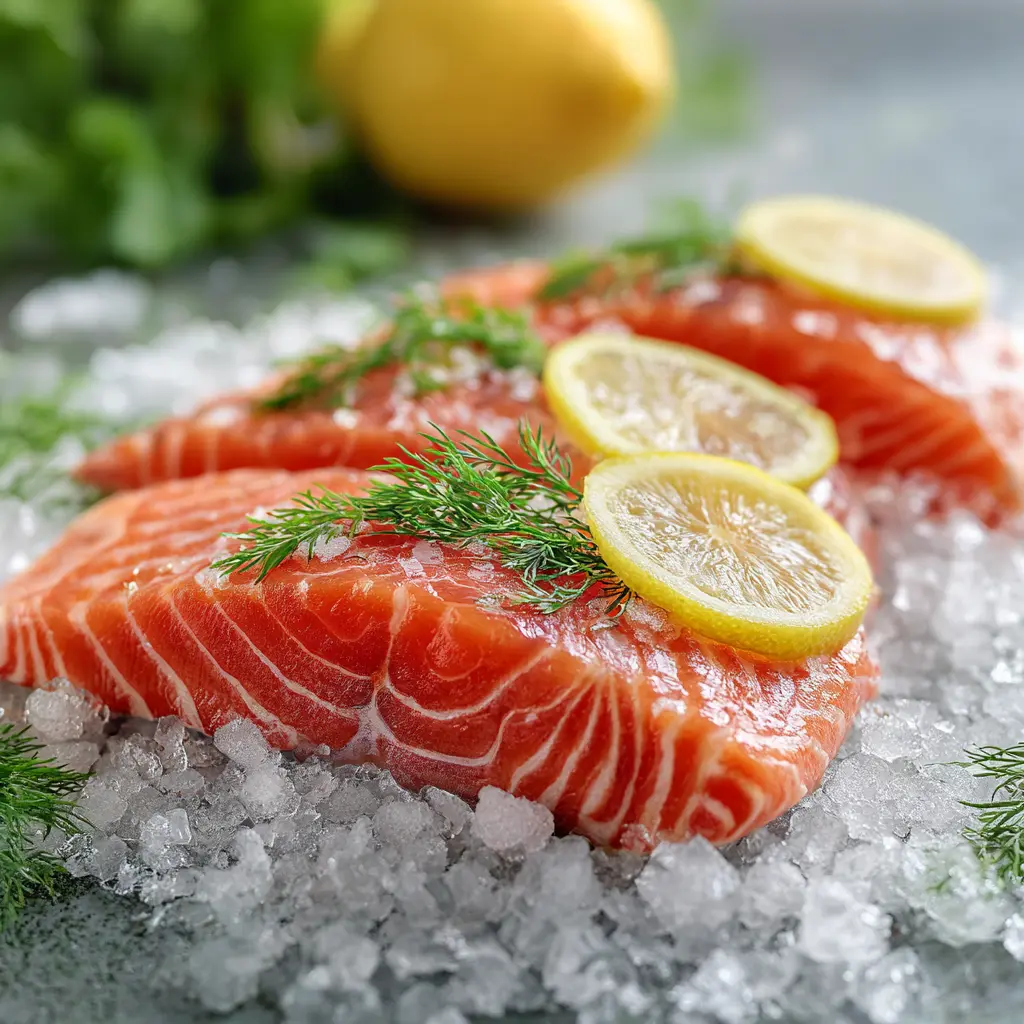
Bonus Benefit: Omega-3s also promote healthy skin and joints, and they may even help manage symptoms of depression and anxiety.
According to research from the Harvard T.H. Chan School of Public Health, omega-3 fatty acids are linked to a lower risk of heart disease, stroke, and cognitive decline — making them a cornerstone of a heart-smart diet.
So, if you’re aiming to improve your long-term health, learning how to cook salmon cut steaks is a delicious and scientifically backed step in the right direction.
Essential Vitamins and Protein Power
In addition to omega-3s, salmon steaks are rich in protein, delivering about 22–25 grams per 3.5 oz (100g) serving. This makes them a satisfying choice for anyone focused on muscle repair, energy, or weight control. Protein is vital for building lean muscle mass, especially when paired with a regular exercise routine.
Salmon steaks also pack in a powerful mix of essential vitamins and minerals, including:
| Nutrient | Benefits |
|---|---|
| Vitamin B12 | Supports red blood cell formation and nerve function |
| Vitamin D | Essential for bone health and immune system support |
| Selenium | Aids in thyroid function and antioxidant defense |
| Potassium | Helps control blood pressure and muscle function |
These nutrients aren’t just buzzwords — they contribute to your overall well-being. By incorporating salmon cut steaks into your weekly meals, you’re not just enjoying a great-tasting dish, you’re also fueling your body with premium nutrition.
Looking for inspiration? Try our Salmon Steak Recipe for another delicious and nutritious option.
Selecting and Preparing Salmon Cut Steaks
How to Choose the Freshest Salmon Cut Steaks
Before you even step into the kitchen, knowing how to pick the right salmon cut steaks is the first key to success. Quality starts at the market, and these tips will help you select steaks that cook beautifully and taste incredible.
Here’s what to look for:
- Color: Look for vibrant, rich-colored flesh—typically a bright pink or coral hue depending on the salmon type. Avoid steaks that appear dull or grayish.
- Smell: Fresh salmon should have a mild, sea-breeze scent. A strong, “fishy” odor is a red flag.
- Texture: The flesh should feel firm and bounce back slightly when pressed. If it’s mushy or sticky, it’s likely past its prime.
- Skin and Cuts: The skin should be shiny, not slimy. Uniform cuts ensure even cooking. Unevenly sliced steaks may lead to dry or undercooked portions.
Wild vs. Farmed: Wild-caught salmon is often prized for its deeper flavor and firmer texture. Farm-raised varieties tend to be milder and fattier — great for baking or pan-searing.
Also, make sure you’re buying from a trusted fishmonger or reputable grocery with high turnover. Ask when the salmon arrived and whether it was previously frozen. Transparency matters when it comes to seafood.
Prepping Steaks for Maximum Flavor
Once you’ve brought your steaks home, prep is where the flavor starts.
Step-by-Step Prep Guide:
- Rinse & Pat Dry
Gently rinse under cold water and pat dry with paper towels. Removing excess moisture ensures better searing and helps seasonings stick. - Remove Pin Bones (if any)
Run your fingers along the surface of the steak. If you feel any pin bones, use fish tweezers or clean pliers to pull them out gently. - Seasoning or Marinade
- Quick Option: Drizzle with olive oil, sprinkle salt, pepper, and a pinch of garlic powder or lemon zest.
- Marinade Option (20–30 min): Combine olive oil, minced garlic, lemon juice, fresh dill, and a touch of Dijon mustard.
- Let It Sit at Room Temp
Before cooking, allow the steaks to rest at room temperature for about 15 minutes. This helps them cook evenly from edge to center.
Here’s a simple marinade table to try:
| Ingredient | Amount | Benefit |
|---|---|---|
| Olive Oil | 2 tbsp | Adds moisture and flavor |
| Lemon Juice | 1 tbsp | Brightens and tenderizes |
| Garlic (minced) | 2 cloves | Boosts flavor complexity |
| Fresh Dill | 1 tsp | Classic seafood herb |
| Dijon Mustard | 1 tsp | Adds slight tang and depth |
Pro Tip: Avoid over-marinating — 30 minutes max is plenty. Too much time in acidic marinades can start to break down the fish’s structure.
With the steaks prepped and ready, you’re set for success. In the next section, we’ll show you how to cook salmon cut steaks using the top 3 foolproof methods.
How to Cook Salmon Cut Steaks (Top 3 Methods)
Learning how to cook salmon cut steaks comes down to technique and timing. Whether you’re in the mood for bold, smoky flavors or tender, oven-baked perfection, these three popular cooking methods guarantee delicious results every time.
Grilling Tips for Perfect Charred Steaks
Grilling salmon steaks is a favorite among seafood lovers — and for good reason. The high heat brings out a smoky, caramelized flavor that’s hard to beat.
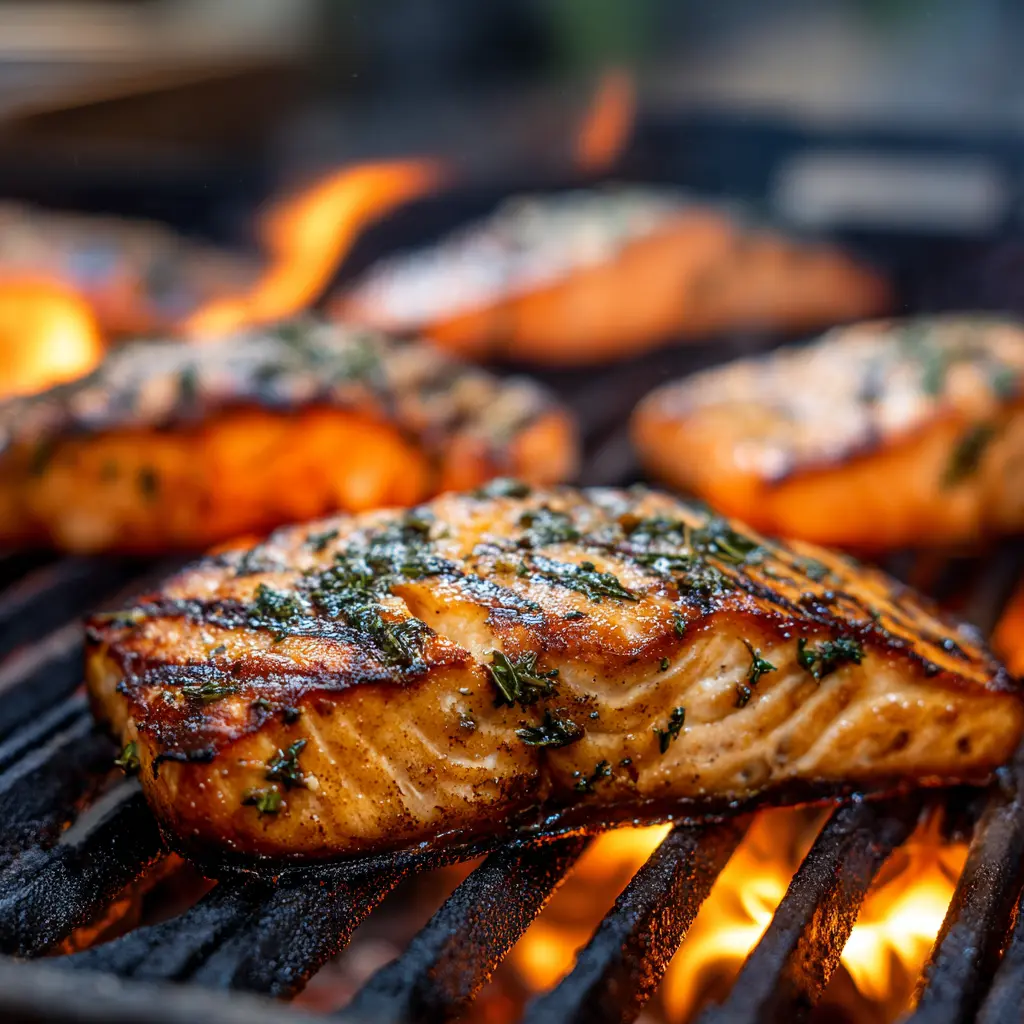
How to Grill Salmon Cut Steaks:
- Preheat the Grill to medium-high heat (around 400°F / 200°C).
- Oil the Grates generously using a paper towel dipped in high-smoke point oil (canola or avocado oil). This prevents sticking.
- Place the Steaks Directly on the Grill, skin-side down.
- Grill Each Side for 4–6 Minutes, depending on the thickness. Flip once using a wide spatula.
Don’t over-flip! Let the fish release naturally before turning. If it sticks, it’s not ready.
Flavor Boost Tips:
- Baste with melted butter and lemon juice for added moisture.
- Add wood chips to the grill for a richer, smokier finish.
- Top with fresh herbs like dill or parsley just before serving.
Pan-Searing Techniques for Crispy Perfection
No grill? No problem. Pan-searing gives your salmon cut steaks a crispy, golden crust while keeping the inside tender and juicy. It’s a fast, foolproof method perfect for weeknights.
How to Pan-Sear:
- Heat a Heavy Skillet (cast iron works best) over medium-high heat.
- Add 1 tbsp Oil and wait until shimmering.
- Place the Steaks in the Pan, skin-side down. Do not move them!
- Cook for 4 Minutes, then flip gently and cook another 3–4 minutes on the other side.
- Optional: Add a tablespoon of butter and spoon it over the top during the last minute of cooking.
Key Tips:
- Avoid overcrowding the pan. Cook in batches if needed.
- Let the steak develop a deep crust before flipping — resist the urge to check too soon.
- Sprinkle flaky sea salt at the end for a pop of flavor.
Oven-Baked Salmon Steaks – Easy & Moist
When you want a low-maintenance, hands-off option, baking salmon cut steaks is the way to go. This method locks in moisture and is perfect for batch cooking or meal prep.
How to Bake Salmon Cut Steaks:
- Preheat oven to 375°F (190°C).
- Line a Baking Sheet with parchment paper or foil.
- Place the Steaks in a Single Layer and season with herbs, salt, pepper, and a drizzle of olive oil.
- Optional: Add lemon slices or a sprig of rosemary or dill on top.
- Bake for 12–15 Minutes, or until the fish flakes easily with a fork and reaches 145°F internal temp.
For an even juicier result, wrap the steaks in foil packets before baking. This helps steam the fish in its own juices.
Try This Variation:
- Add cherry tomatoes and sliced red onions to the tray for a full one-pan dinner.
- Drizzle with a honey-mustard glaze for a sweet-savory touch.
Whether you’re grilling outdoors, searing stovetop, or baking in the oven, these tried-and-true methods will show you exactly how to cook salmon cut steaks to perfection. Use a thermometer, follow the timing, and don’t overthink it — let the salmon shine!
Enhancing Flavor with Sauces and Marinades
Once you’ve nailed the technique, it’s time to add that extra something — a bold sauce or balanced marinade that elevates your salmon from good to unforgettable. Salmon cut steaks naturally boast a rich, buttery flavor, so the goal here is enhancement, not overpowering.
Let’s explore your options.
Best Sauces for Salmon Cut Steaks
The right sauce can transform your plate — adding tang, creaminess, or a touch of sweetness that complements the fish perfectly. Here are the top favorites:
1. Classic Lemon Butter Sauce
A simple, crowd-pleasing favorite. It’s light, bright, and perfect for grilled or baked steaks.
Quick Recipe:
- 3 tbsp unsalted butter
- 1 garlic clove, minced
- Juice of 1 lemon
- Fresh parsley, chopped
Melt the butter, sauté garlic for 1 minute, add lemon juice, and stir in parsley before serving.
2. Creamy Dill Sauce
This sauce pairs beautifully with pan-seared salmon, offering coolness that balances the richness.
Ingredients:
- 1/2 cup sour cream
- 1 tbsp fresh dill (or 1 tsp dried)
- 1 tsp Dijon mustard
- Splash of white wine (optional)
- Salt and pepper to taste
Whisk together and chill for 10–15 minutes before serving.
3. Sweet Soy Glaze
For a more savory-sweet experience, especially with grilled steaks.
To make:
Simmer 1/4 cup soy sauce, 1 tbsp honey, 1 tsp grated ginger, and a splash of rice vinegar for 5 minutes until slightly thickened.
Pro Tip: Always spoon your sauce over the salmon just before serving — this preserves the crust if you’ve pan-seared it and keeps flavors bright.
Marinades That Add Flavor Without Overpowering
Marinating your salmon steaks isn’t always required — but when you want to build flavor before cooking, it’s a smart move. The key is to keep it balanced.
Rules of Thumb:
- Marinate for 20–30 minutes max. Longer than that and the acid may start to “cook” the fish.
- Use a mix of oil, acid, herbs, and seasoning.
- Always marinate in the fridge.
3 Go-To Marinade Recipes:
| Type | Ingredients | Best With |
|---|---|---|
| Citrus Herb | Olive oil, lemon juice, garlic, parsley, thyme | Grilled or baked |
| Maple Soy | Soy sauce, maple syrup, ginger, sesame oil | Pan-seared or grilled |
| Spicy Cajun | Olive oil, Cajun seasoning, lime juice, paprika | Pan-seared or oven-baked |
Tips for Success:
- Pat steaks dry after marinating to get a better crust.
- Add sauce after cooking — especially when grilling or pan-searing — to avoid burning sugars.
- Use fresh herbs whenever possible; dried herbs work, but don’t offer the same brightness.
Whether you’re craving citrusy brightness, creamy richness, or a spicy kick, mastering sauces and marinades is key to unlocking the full potential of your salmon cut steaks.
Best Side Dishes to Serve with Salmon Steaks
Once you’ve mastered how to cook salmon cut steaks, the next step is building a plate that feels complete. Choosing the right side dish can elevate your meal from simple to restaurant-worthy. The key is balance — you want sides that complement the rich, buttery texture of the salmon without overpowering it.
Let’s break it down into light and healthy versus comfort-style sides.
Light Veggie Sides & Grain Pairings
If you’re going for a lean and clean meal, pair your salmon steaks with sides that add color, crunch, or citrusy notes.
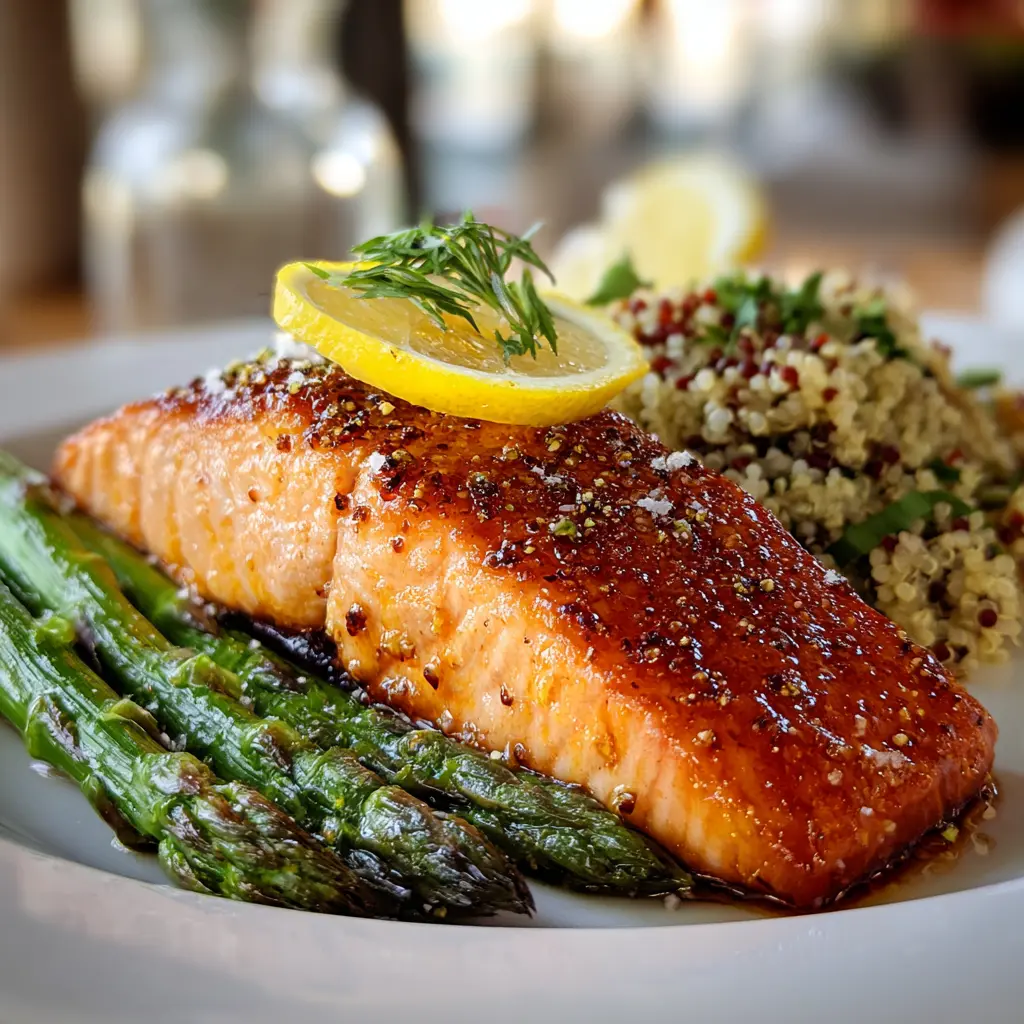
Top Light Pairings:
- Roasted Asparagus with Lemon Zest
Toss asparagus in olive oil, roast at 400°F for 12 minutes, then top with lemon zest for brightness. - Steamed Broccoli with Garlic Butter
A classic — steam until just tender and toss with a bit of garlic-infused melted butter. - Herbed Quinoa Salad
Quinoa tossed with chopped parsley, diced cucumber, and a drizzle of lemon vinaigrette adds freshness. - Citrus Arugula Salad
Peppery greens, orange slices, red onions, and a light vinaigrette bring acidity that cuts through the richness of the salmon. - Cauliflower Rice or Wild Rice Blend
Light but filling, these grain options keep carbs in check while soaking up any leftover sauce.
Hearty Comfort Pairings for a Full Meal
Want something more filling or indulgent? Go with starchy, cozy sides that offer a creamy or savory base.
Best Comfort-Style Sides:
- Creamy Mashed Potatoes
Rich and fluffy, they contrast beautifully with grilled or seared salmon steaks. - Garlic Parmesan Roasted Potatoes
Crisp on the outside, soft inside — perfect with bold sauces like a creamy dill or spicy glaze. - Buttery Pasta with Herbs
Try angel hair tossed in olive oil, fresh parsley, and a touch of lemon juice for an elegant pairing. - Mac & Cheese with a Kick
A fun twist! Add smoked paprika or a jalapeño topping to make it a salmon steak-worthy side. - Sautéed Spinach with Shallots
A fast, flavorful option that adds iron and color to your plate.
Quick Table: Side Pairing Ideas
| Side Dish | Best Cooking Method | Great With |
|---|---|---|
| Roasted Asparagus | Oven | Grilled Salmon |
| Herbed Quinoa | Boil + Toss | Baked or Pan-Seared Salmon |
| Mashed Potatoes | Boil + Mash | Pan-Seared Salmon with Sauce |
| Wild Rice Blend | Simmered | Soy-Glazed Salmon |
| Arugula Citrus Salad | Tossed Raw | Lemon Butter Salmon |
Pro Tip: When serving guests, include one light side and one hearty side to create contrast and variety.
Remember, the sides you serve with your salmon are more than just “extras” — they complete the experience and help showcase just how versatile salmon cut steaks can be.
Common Mistakes When Cooking Salmon Cut Steaks
Even experienced home cooks sometimes struggle with how to cook salmon cut steaks just right. These steaks are forgiving, but a few missteps can quickly lead to dry, flavorless, or unevenly cooked fish. Let’s walk through the most common mistakes and how to avoid them.
Overcooking or Undercooking
The number one issue people face with salmon? Getting the timing wrong.
Signs of Overcooked Salmon:
- Dry, chalky texture
- Crust that’s too dark or burnt
- Meat that flakes too much or crumbles
Signs of Undercooked Salmon:
- Raw, translucent center
- Gelatinous texture that doesn’t flake
How to Fix It:
- Use a meat thermometer. The internal temperature should reach 145°F (63°C) in the thickest part of the steak.
- Don’t walk away. Salmon cooks quickly, so stay nearby.
- Watch for visual cues: Properly cooked salmon should flake easily with a fork and look slightly opaque in the center.
Pro Tip: Pull the salmon from heat just before it’s fully done — it will continue to cook for 1–2 minutes from residual heat.
Using Strong Flavors That Overshadow the Fish
Salmon has a naturally rich, slightly sweet flavor. It doesn’t need to be drowned in sauce or smothered in spice blends.
Common Overkill Seasonings:
- Too much soy or teriyaki
- Excess garlic or onion powder
- Heavy cream-based sauces with cheese
Better Alternatives:
- Stick to light, fresh flavors: lemon, dill, parsley, olive oil, garlic.
- Choose sauces that enhance, not dominate.
- If using a glaze (like honey soy), apply in the last 2–3 minutes of cooking to prevent burning.
Other Frequent Errors to Avoid
| Mistake | Why It’s a Problem | What To Do Instead |
|---|---|---|
| Cooking straight from the fridge | Causes uneven cooking | Let steaks rest at room temp for 15 min |
| Flipping too early or too often | Causes steaks to break or stick to pan | Wait until crust forms before flipping |
| Skipping the pat dry step | Leads to steaming instead of searing | Always pat steaks dry before cooking |
| Not oiling the grill/pan | Causes sticking and rips the fish apart | Use high-heat oil to coat cooking surface |
Knowing what not to do is just as important as mastering the best techniques. With these fixes, you’re already one step closer to salmon perfection — every single time.
Storing & Reheating Salmon Steaks the Right Way
You’ve cooked a perfect batch of salmon cut steaks, but there’s some left over — now what? The good news is that cooked salmon stores and reheats well if you follow the right methods. Done wrong, you’ll end up with dry, rubbery fish. Done right, and you’ll have another delicious meal ready in minutes.
Best Storage Practices for Cooked Salmon
To keep your leftovers fresh and flavorful, storage starts with how you cool and contain your salmon.
Step-by-Step Guide to Storing:
- Cool Quickly: Allow the salmon to reach room temperature (no more than 2 hours after cooking).
- Wrap Properly: Use plastic wrap, foil, or place the salmon in an airtight container.
- Refrigerate Promptly: Store in the fridge within 2 hours of cooking. It will stay fresh for up to 3 days.
- Freeze for Later: If you won’t eat it within 3 days, freeze it. Wrap tightly in foil or freezer-safe bags and label with the date.
Freezer Shelf Life:
- Cooked salmon steaks will last up to 3 months in the freezer with minimal quality loss if sealed well.
Reheating Techniques That Preserve Texture
Reheating salmon is where many people go wrong. Microwaving too long or blasting it with dry heat can wreck the texture. Here’s how to do it the right way.
Method 1: Reheat in the Oven (Best Method)
- Preheat oven to 300°F (150°C)
- Place salmon on a baking dish
- Add a splash of water or broth to maintain moisture
- Cover loosely with foil
- Heat for 10–12 minutes or until warmed through
Best For: Preserving moisture and preventing overcooking
Method 2: Reheat on the Stovetop
- Use a non-stick skillet
- Heat over low heat
- Add 1 tsp of oil or butter
- Place salmon in pan and cover
- Heat for 4–5 minutes, flipping once
Best For: Quick reheating with a crisped-up exterior
Method 3: Microwave (Only if You Must)
- Place salmon on a microwave-safe plate
- Cover with a damp paper towel
- Microwave on medium power for 30–45 seconds at a time
- Check frequently to avoid overcooking
Best For: Quickest option, but least recommended
Bonus Tip: If your salmon came with sauce, reheat it separately and drizzle it over just before serving to keep the texture intact.
Proper storage and gentle reheating make all the difference between a dry leftover and a next-day meal that’s just as satisfying as the first.
Tips for Perfect Salmon Cut Steaks Every Time
You’ve learned the techniques, the flavor pairings, and the reheating methods — now it’s time to take your salmon game to the next level. Whether you’re new to cooking or a seafood enthusiast, these expert tips and tools will ensure you get perfect results every time.
Tools You Need for Success
Having the right kitchen tools can be the difference between okay and restaurant-quality salmon. Here’s what we recommend keeping on hand:
| Tool | Why It Matters |
|---|---|
| Non-Stick Skillet | Prevents sticking and promotes even searing |
| Meat Thermometer | Ensures precise doneness (aim for 145°F / 63°C) |
| Fish Spatula | Thin and flexible for easy flipping without tearing |
| Grill Basket | Prevents steaks from falling apart on the grill |
| Tongs or Silicone Brushes | Great for basting or turning steaks cleanly |
Adding Personal Flair with Seasonings & Sides
Once you know how to cook salmon cut steaks with consistency, it’s time to make the dish your own. That’s where seasonings, presentation, and side combinations come into play.
Ways to Add a Creative Twist:
- Global Marinades: Go Mediterranean with olive oil, oregano, and lemon — or try a Korean-style glaze with gochujang and sesame oil.
- Fresh Garnishes: Add chopped chives, toasted almonds, or microgreens for contrast and texture.
- Colorful Plating: Serve over a bed of wild rice or vibrant greens. A few citrus slices or roasted beets go a long way in visual appeal.
- Infused Butters: Try garlic-herb butter or chili-lime compound butter for melting over hot steaks.
Flavor Combo Ideas:
| Flavor Theme | Marinade or Sauce | Recommended Side Dish |
|---|---|---|
| Zesty Lemon Herb | Lemon butter or dill cream | Roasted asparagus + herbed quinoa |
| Smoky BBQ | Spicy BBQ rub + maple glaze | Sweet potatoes + green beans |
| Asian-Inspired | Soy-honey-ginger glaze | Jasmine rice + bok choy stir-fry |
| Mediterranean | Olive oil + oregano + lemon | Couscous + arugula-feta salad |
Quick Recap:
- Master the basics first — like temperature control and timing.
- Invest in the right kitchen tools.
- Let your creativity lead you when it comes to seasonings and plating.
- Focus on simplicity. Salmon has a bold flavor — it doesn’t need much to shine.
With the tips in this section, you’ll go from just following recipes to confidently creating your own salmon steak masterpieces
FAQ: How to Cook Salmon Cut Steaks
How long should salmon cut steaks be cooked?
Cooking time depends on the thickness and method, but in general:
Grilled or Pan-Seared: 4–6 minutes per side
Baked in Oven: 12–15 minutes at 375°F (190°C)
Use a meat thermometer and cook until the internal temp reaches 145°F (63°C).
Can you freeze salmon cut steaks steaks?
Yes! Let the steaks cool completely, then wrap tightly in foil or store in an airtight container. Freeze for up to 3 months. Thaw in the refrigerator overnight before reheating.
What’s the best method for cooking salmon cut steaks?
It depends on your preferences:
Grilling for smoky flavor and char
Pan-searing for a crisp crust and quick prep
Baking for hands-off, moist results
Each method can be perfect when done right!
What seasonings go well with salmon?
Great pairings include:
Lemon zest
Fresh dill
Garlic
Paprika
Dijon mustard
Olive oil
Avoid overly spicy or creamy additions that overpower the fish’s natural flavor.
How do you prevent salmon from drying out?
Don’t overcook it — pull off heat at 140°F as it’ll rise slightly during rest
Marinate before cooking to lock in moisture
Reheat using low, gentle heat with added liquid (foil wrapped or stovetop)
Can salmon cut steaks be cooked from frozen?
Yes, but expect longer cooking times.
For baking: Add 5–7 minutes.
For pan-searing: Start covered on low, then uncover and finish on higher heat.
Always cook to 145°F internal temperature.
Conclusion: Master the Art of Cooking Salmon Cut Steaks
Cooking salmon cut steaks at home doesn’t have to be complicated. Whether you choose to grill them with smoky char, pan-sear them for crispy edges, or bake them for juicy tenderness, these cuts are versatile and rewarding.
With the right seasoning, cooking tools, and creative sides, salmon steaks can become a weeknight favorite or the star of your next dinner party.
Don’t miss our Salmon Steak Recipe and Salmon and Rice Bowl for more ideas to keep your seafood skills sharp.
Now that you know how to cook salmon cut steaks like a pro, it’s time to fire up the grill, heat the skillet, or preheat the oven — and create something delicious tonight.