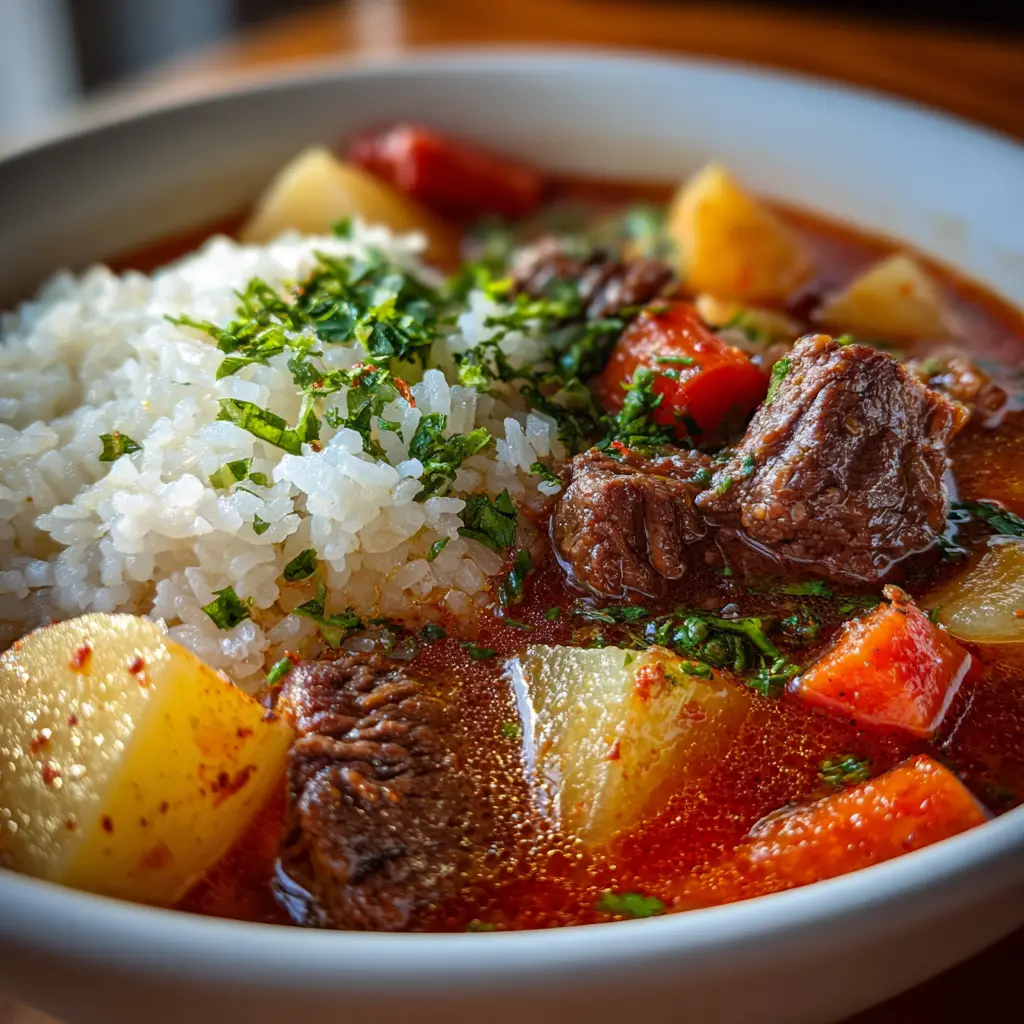
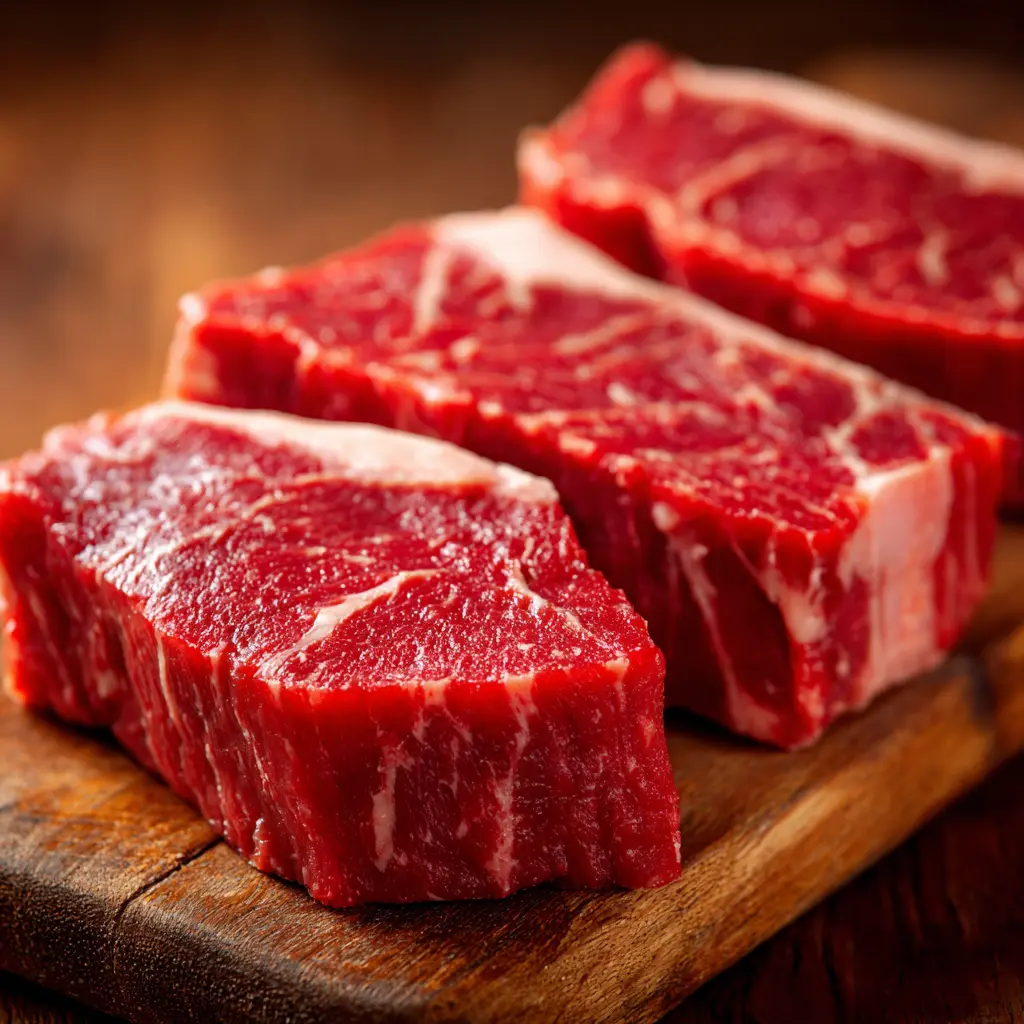
The first time I came across Denver steak was at a small butcher shop, not a fancy steakhouse. The butcher proudly held up a cut of beef I had never seen before — thick, marbled, and deep red in color. Intrigued, I took it home, seasoned it lightly, and pan-seared it with garlic and rosemary. The result was unforgettable: tender, juicy, and bursting with flavor.
Since that day, Denver steak has become one of my go-to choices in the kitchen. What makes it special isn’t just the taste, but also the nutrition it offers. Packed with protein, iron, and essential vitamins, it’s a cut that proves you don’t need to overspend to enjoy quality beef.
In this article, we’ll explore the health benefits of Denver steak, what makes it unique compared to other cuts, its nutritional profile, cooking tips, and even the best sides and wine pairings. By the end, you’ll see why this underrated cut deserves a spot on your plate.
What is Denver Steak?
Denver steak is a relatively new addition to the world of butchery. It comes from the chuck flap of the cow, an area usually known for tougher cuts. But thanks to a precise technique called seam butchering, butchers are able to separate this hidden gem, resulting in a steak that’s both tender and flavorful.
What sets Denver apart is its balance. It has just enough marbling to stay juicy, but not so much fat that it becomes heavy. This makes it versatile and easy to cook — whether you prefer grilling, pan-searing, or trying more modern methods like sous-vide.
Despite being less famous than ribeye or filet mignon, Denver steak is gaining recognition for its rich, beefy taste and surprising tenderness. Even better, it’s often more affordable than premium cuts, which makes it an excellent choice for anyone looking to enjoy steak without overspending.
In short, steak delivers quality, flavor, and value all in one cut.
Why Choose Denver Steak for Your Diet?
Choosing Denver isn’t just about saving money — it’s also about making a smart nutritional choice. This cut offers a balance of lean protein, essential vitamins, and minerals while still being satisfying and full of flavor.
For anyone who works out or simply wants to maintain strength, the protein in steak supports muscle repair and recovery. Its moderate fat content means you get tenderness and juiciness without going overboard on calories.
Another reason to put steak on your plate is its flexibility. It adapts well to different cooking styles, from a quick weeknight pan-sear to a slow weekend grill session. You can enjoy it as the star of a hearty meal or pair it with lighter sides for a balanced dinner.
Finally, when you choose responsibly sourced beef — like grass-fed or hormone-free — you’re not just caring for your health, but also making a more mindful choice for the environment. Denver steak proves that you don’t need to sacrifice nutrition, taste, or values when you sit down to enjoy a good meal.


Denver Steak Nutrition Guide
Ingredients
Equipment
Method
- Remove steaks from the fridge and let them come to room temperature for 20–30 minutes.
- Pat steaks dry with paper towels. Season both sides with salt and pepper.
- Heat olive oil in a skillet over medium-high heat. Add garlic and rosemary.
- Add steaks to the pan and sear for 3–4 minutes per side for medium-rare.
- Remove from heat and let rest for 5 minutes before slicing.
Nutrition
Notes
Tried this recipe?
Let us know how it was!Nutritional Profile
Denver steak isn’t just flavorful — it also comes with an impressive nutritional profile. A 3.5-ounce (100 g) serving provides around 20–25 grams of protein, along with iron, zinc, and several important B-vitamins.
Protein Power
Protein is essential for building and repairing muscles, producing hormones, and keeping energy levels steady. Denver steak delivers high-quality, complete protein, meaning it contains all nine essential amino acids your body needs but can’t produce on its own. For athletes or anyone who wants to stay strong and energized, it’s a reliable choice.
Iron, Zinc, and B-Vitamins
One of the standout strengths of this cut is its micronutrient content. Iron in beef is in the heme form, which is more easily absorbed by the body compared to plant-based sources. This helps transport oxygen through the blood and prevents fatigue. Zinc supports immune health and aids recovery, while B-vitamins — especially B12, niacin, and riboflavin — play a key role in turning food into energy and supporting healthy nerves and red blood cells.
According to the USDA FoodData Central – Denver Cut, raw steak is particularly rich in protein and vitamin B12, making it a valuable option for both physical and cognitive performance.
Balanced Fat Content
While it has enough marbling to stay juicy, Denver steak is leaner than heavily marbled cuts like ribeye. Choosing grass-fed beef can also provide more omega-3 fatty acids, which are linked to heart health and reduced inflammation.
Altogether, this makes Denver steak a smart addition to a balanced diet — tasty enough to enjoy, and nutritious enough to support your health goals.
The Health Benefits of Denver Steak in Your Diet
Denver steak offers more than just good flavor — it actively supports your body’s health. Thanks to its combination of protein, iron, zinc, and B-vitamins, it plays an important role in energy, recovery, and overall wellness.
Supporting Muscle Growth and Recovery
The protein in Denver steak helps repair tissues and build muscle. For people who exercise, this means faster recovery after workouts and better support for strength and endurance. Because it’s a complete protein, you get all the essential amino acids your body needs in one serving.
Boosting Energy and Immune Function
Iron makes Denver steak especially valuable. It helps carry oxygen in the blood, keeping your energy levels steady throughout the day. Zinc works hand-in-hand with iron to strengthen the immune system and support healing. Meanwhile, B-vitamins like B12 and niacin help your body turn food into usable fuel, so you feel more active and alert.
A Balanced Addition to Your Diet
Unlike fattier cuts, Denver steak is leaner while still juicy, which makes it easier to fit into a wide variety of eating styles. Whether paired with vegetables, whole grains, or lighter sides, it rounds out a meal with both taste and nutrition.
Comparing Steak to Other Cuts
When it comes to steak, ribeye and filet mignon usually get the spotlight. But Denver steak is a hidden gem that offers a unique balance of tenderness, flavor, and affordability.
Denver Steak vs. Ribeye
Ribeye is famous for its heavy marbling, which gives it a rich, buttery taste. The downside is that it’s higher in fat and calories. Denver steak, in contrast, has enough marbling to stay juicy but is leaner overall. This makes it a smarter choice for those who want flavor without going overboard on fat.
Denver Steak vs. Filet Mignon
Filet mignon is known for its tenderness but is often mild in taste. Denver steak, while still tender, has a bolder, beefier flavor. Another difference is cost: filet mignon is one of the priciest cuts, while Denver steak is much more budget-friendly.
Why Denver Steak Deserves More Attention
Denver steak combines the best qualities of both: flavorful like ribeye, yet leaner; tender like filet mignon, but far more affordable. It’s proof that you don’t need to spend a fortune to enjoy high-quality beef.
For another budget-friendly beef option that doesn’t skimp on taste, check out our Easy Crockpot Steak Bites Recipe — a simple dish that highlights how even lesser-known cuts can deliver amazing flavor.
Tips for Buying and Cooking
Cooking Denver steak isn’t complicated, but a few smart choices can make the difference between a good meal and a great one. From selecting the right cut to choosing the right method, here’s how to get the best out of this underrated steak.
How to Choose the Best Cut
When buying Denver steak, look for meat with a bright red color and fine marbling throughout. This marbling is what keeps the steak tender and flavorful during cooking. Whenever possible, choose grass-fed or hormone-free beef — not only is it often more nutritious, but it also supports better farming practices.
Best Cooking Methods
One of the reasons Denver steak is so versatile is that it works with different cooking techniques:
- Grilling: Cook over medium heat for 4–6 minutes per side for a juicy medium-rare.
- Pan-Searing: Heat a skillet, add a touch of oil, and sear each side for 3–4 minutes. Finish with butter, garlic, or herbs for extra flavor.
- Sous-Vide: Seal the steak and cook at 130°F (54°C) for 1–2 hours, then finish with a quick sear in a hot pan.
- Slow Cooking: Braise the steak in broth or wine for several hours for fork-tender results.
Keeping Flavor and Nutrition

To get the most out of Denver steak, avoid overcooking it. Medium-rare or medium helps retain both tenderness and nutrients. Pairing it with wholesome sides like roasted vegetables or whole grains makes for a complete, balanced plate.
And if you’re looking for a fun way to use steak beyond the usual, try our Perfect Steak Quesadilla Recipe — a creative twist that brings together bold flavor and satisfying nutrition.
Healthy Side Dishes and Wine Pairings
A great steak meal isn’t just about the beef — the sides and pairings matter just as much. Choosing the right accompaniments for Denver steak can turn a simple dinner into a balanced, restaurant-quality experience.
Healthy Sides to Complete the Meal
Denver steak pairs well with sides that balance its richness while adding color and texture to the plate:
- Roasted Brussels Sprouts: Crunchy and nutrient-packed, roasted with olive oil and sea salt.
- Quinoa or Brown Rice: Whole grains that provide fiber and long-lasting energy.
- Grilled Asparagus: Light, fresh, and a classic match for steak.
- Mixed Green Salad: A citrus-based dressing cuts through the steak’s richness.
These sides make the meal more satisfying without overwhelming the star ingredient. For another protein-and-carb combination, try the Salmon and Rice Recipe — proof that balanced meals can be both simple and delicious.
Wine Pairings
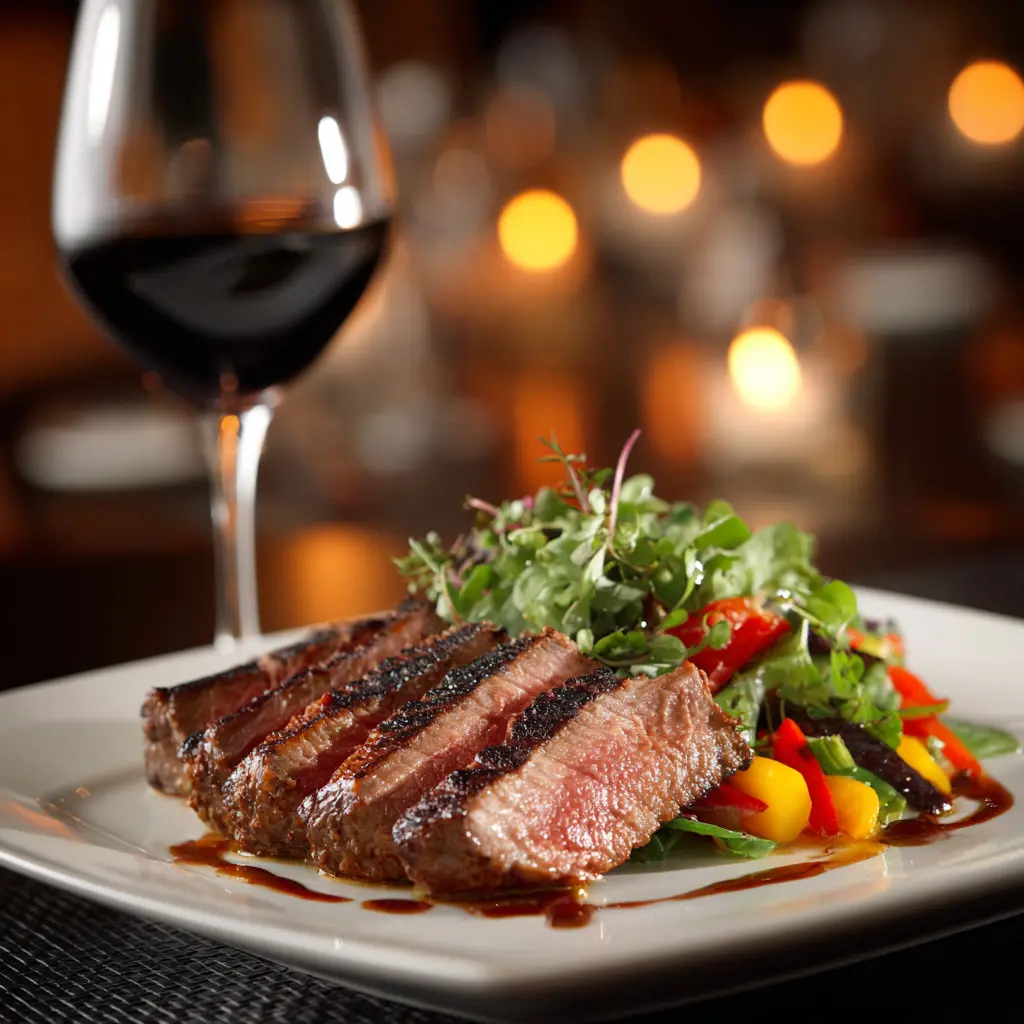
For wine lovers, steak is a versatile cut that works well with several reds:
- Cabernet Sauvignon: Bold and structured, pairs beautifully with beefy flavors.
- Malbec: Smooth and fruity, a crowd-pleasing option.
- Zinfandel: Spicy and rich, especially good with grilled or pan-seared steak.
These wines highlight the flavor of the meat while making the dining experience more special.
Ethical and Environmental Benefits
Enjoying Denver steak isn’t only about taste and nutrition — it’s also about making mindful choices that consider animal welfare and the environment. Choosing responsibly raised beef helps ensure better quality for you and a lighter footprint on the planet.
Why Grass-Fed Matters
Grass-fed Denver steak is often leaner and contains more omega-3 fatty acids compared to grain-fed options. Beyond the nutritional boost, cattle raised on pasture usually have better living conditions, which translates into higher animal welfare standards. For many people, that makes each bite feel more meaningful.
Supporting Sustainability
Opting for locally sourced or hormone-free beef is another way to make responsible food choices. Many farms use eco-friendly practices, such as pasture rotation and reduced waste systems, to keep both the land and livestock healthier.
Research from the Harvard T.H. Chan School of Public Health also highlights the benefits of balancing animal protein with plant-based foods. This approach not only supports long-term health but also reduces the environmental impact of diets. Choosing cuts like Denver steak occasionally, while also enjoying more plant-based meals, can be part of this balance.
By being selective about the source of your steak, you’re not only nourishing yourself but also supporting practices that respect the planet.
FAQs
What makes steak a healthy choice?
Denver steak provides a mix of lean protein, iron, zinc, and B-vitamins. These nutrients support muscle recovery, energy levels, and immune health. Compared to fattier cuts, it’s also lighter while still being flavorful.
How should Denver steak be cooked?
The best results come from cooking Denver steak to medium-rare or medium. Methods like grilling, pan-searing, and sous-vide all work well, helping preserve tenderness and nutrients. Overcooking can make it dry, so aim for an internal temperature of about 130–140°F (54–60°C).
Is Denver steak affordable compared to other cuts?
Yes. One of the reasons Denver steak is gaining popularity is that it delivers excellent flavor and tenderness at a lower price than premium cuts like ribeye or filet mignon. It’s a budget-friendly way to enjoy quality beef.
Can Denver steak fit into a balanced diet?
Absolutely. Pairing it with vegetables, whole grains, or salads creates a meal that is both satisfying and health-conscious. Adding lighter sides ensures you get the benefits of the steak without making the meal too heavy.
Conclusion: Why Denver Steak Deserves a Place on Your Plate
Denver steak may not be the most famous cut of beef, but it has everything you could ask for — flavor, tenderness, nutrition, and value. From its rich protein content to its supply of iron, zinc, and B-vitamins, it supports muscle growth, energy, and overall wellness. Compared to pricier cuts like ribeye or filet mignon, it delivers a satisfying experience at a more affordable price.
When paired with healthy sides or enjoyed with a glass of red wine, Denver steak can turn any meal into something special. And by choosing responsibly sourced beef, you also support more ethical and sustainable food practices.
In the end, the health benefits of Denver steak go beyond what’s on your plate. It’s about enjoying good food while taking care of your body — and making choices that are mindful for the planet. So next time you’re at the butcher shop or planning dinner, give Denver steak a try. Chances are, it will become one of your new favorites.