
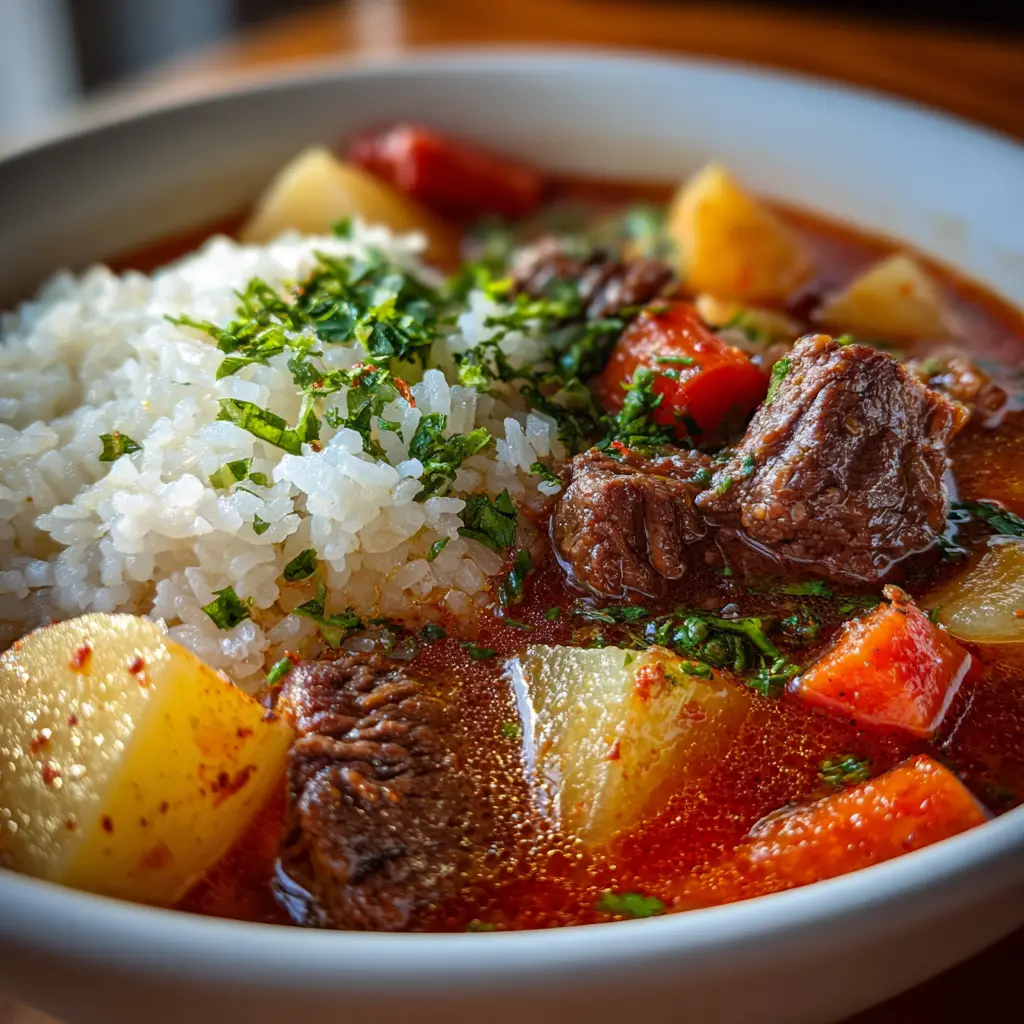
As a chef, I’ve cooked countless stews in my life, but Hawaiian beef stew holds a place all its own. My first memory of it goes back to a community gathering on Oʻahu. A neighbor lifted the lid from a large pot that had been simmering all afternoon, and the aroma of tomatoes, garlic, and tender beef filled the air. When I finally took a bite, I realized this was no ordinary stew — it was a story in a bowl.
What struck me was its brightness. Unlike the thick brown gravies of mainland beef stews, this version had a lively tomato base, sweetened naturally by island vegetables. Each spoonful carried the flavors of Hawaii’s diverse heritage: Portuguese, Filipino, Japanese, and Chinese influences blending seamlessly with local ingredients.
Over the years, I’ve learned that Hawaiian beef stew isn’t just food; it’s memory, comfort, and culture. It’s the dish served at family tables, at plate-lunch counters, and at Sunday gatherings — always with a scoop of fluffy rice. For many in Hawaii, it tastes like home.
In this article, I’ll guide you through the history of this beloved dish, the key ingredients that give it character, and the techniques that make the beef melt-in-your-mouth tender. You’ll also discover serving ideas, flavor upgrades, and even the secret ingredient that takes this stew from good to unforgettable.
If hearty meals with heartwarming stories appeal to you, you’ll feel right at home here. And if you’d like to explore other comfort dishes, discover great ideas like our Ultimate Country-Style Beef Ribs Recipe.
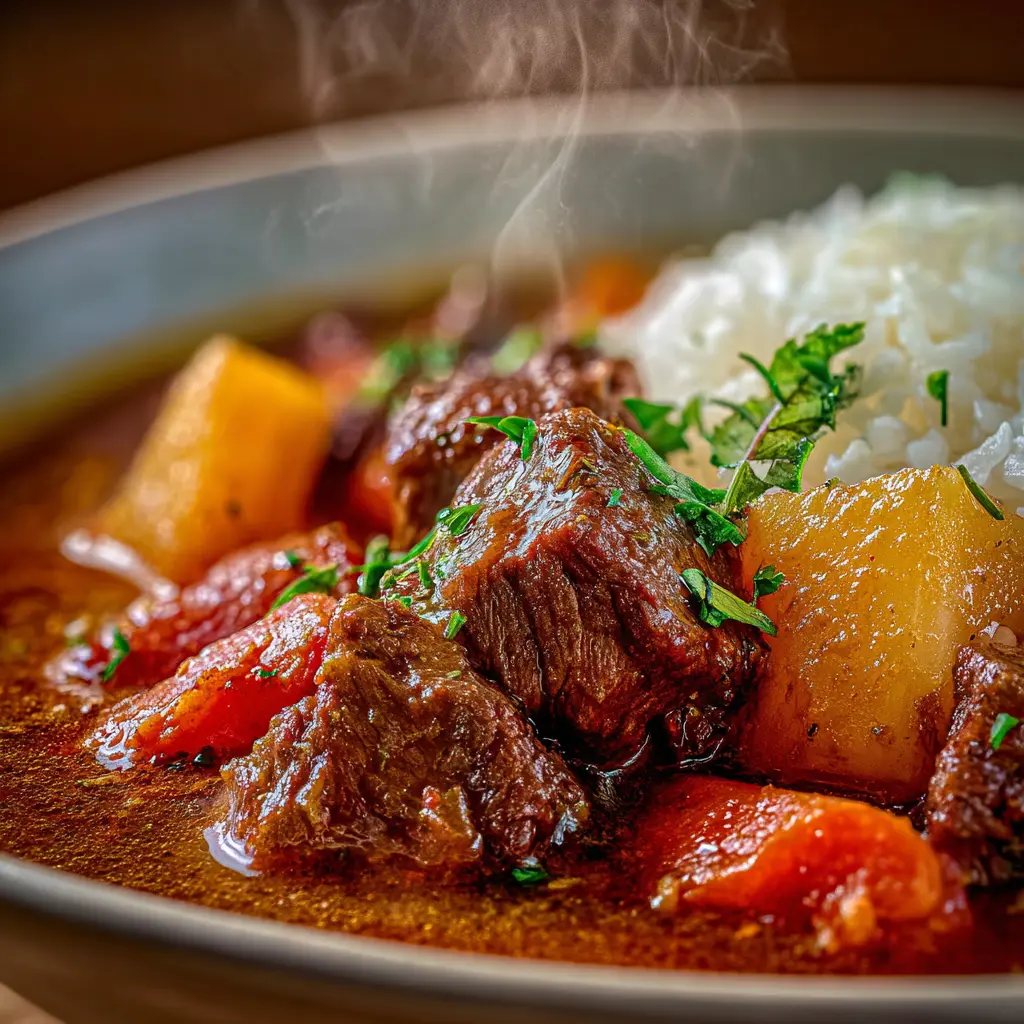

Hawaiian Beef Stew (Local Style)
Ingredients
Equipment
Method
- Cut the beef into 1.5-inch chunks. Optionally, marinate in shoyu and garlic for 30 minutes.
- Lightly dust beef chunks with flour for better browning and a naturally thickened stew.
- Heat 2 tbsp oil in a large pot over medium-high heat. Brown beef in batches, 3–4 minutes per side. Remove and set aside.
- In the same pot, sauté diced onions and garlic for 2–3 minutes until fragrant.
- Stir in tomato sauce, diced tomatoes, and beef broth. Return beef to pot and bring to a gentle simmer.
- Cover and simmer on low heat for 1.5 to 2 hours, stirring occasionally.
- During the last 30 minutes, add carrots, potatoes, and celery. Stir and let cook until tender.
- Season with shoyu, salt, and pepper. Simmer for another 10 minutes to meld flavors.
- Serve hot over steamed white rice. Optionally pair with macaroni salad or Hawaiian sweet rolls.
Nutrition
Notes
Tried this recipe?
Let us know how it was!The Origins and Cultural Significance of Hawaiian Beef Stew
When you sit down with a bowl of Hawaiian beef stew, you’re not just eating a meal — you’re tasting history. This dish tells the story of Hawaii’s plantation days, when workers from Portugal, the Philippines, Japan, and China came to the islands, each bringing their own flavors and traditions. In those kitchens, ingredients and ideas mixed together, and slowly, a new kind of stew was born — one that reflected the islands themselves: diverse, colorful, and full of life.
The arrival of cattle in Hawaii was another turning point. In the early 1800s, King Kamehameha I received cattle as a gift, and by the time the sugar plantations expanded, beef had become more widely available. Immigrants combined beef with local crops like sweet potatoes and taro, alongside European-style stewing methods, giving us the foundation of what we now call Hawaiian beef stew.
This history isn’t just passed down in kitchens — it’s part of the islands’ agricultural legacy. The Hawai‘i Department of Agriculture traces this journey in its History of Agriculture in Hawaii, showing how cattle, vegetables, and immigrant food traditions shaped the island’s cuisine.
Even today, you’ll notice one unique twist that sets Hawaiian beef stew apart from the Western version: the way it’s served. Instead of bread or mashed potatoes, locals enjoy it with steaming white rice — sometimes paired with a scoop of macaroni salad, turning it into a classic Hawaiian “plate lunch.” This simple pairing speaks to the heart of island cooking: hearty, comforting, and always meant to be shared.
At diners, family gatherings, and even at chain restaurants like Zippy’s, Hawaiian beef stew continues to be more than just a dish — it’s part of everyday life. Every bite carries echoes of the past, while reminding us why food is one of the strongest ties between culture and community.
Hawaiian Beef Stew vs. Traditional Beef Stew
When people first taste Hawaiian beef stew, the reaction is almost always the same: “This isn’t like the beef stew I grew up with.” And they’re right. While it shares roots with European-style stews, the Hawaiian version has developed its own unique identity over generations.
The biggest difference comes down to the broth. Traditional American or European beef stew is built on a deep brown gravy, thickened with flour and flavored with herbs like thyme, rosemary, and bay leaves. Hawaiian beef stew, on the other hand, uses a tomato-based broth that’s both tangy and slightly sweet, thanks to the island vegetables that simmer in it.
Another key distinction? How it’s eaten. In the mainland, beef stew often shows up alongside bread or mashed potatoes. In Hawaii, it’s always served with rice — because, for locals, rice is the backbone of every meal.
Here’s a side-by-side comparison to make the differences clear:
| Feature | Hawaiian Beef Stew | Traditional Beef Stew |
|---|---|---|
| Base | Tomato-based broth | Brown gravy-style broth |
| Seasoning | Simple: garlic, onions, shoyu, salt, pepper | Herbs like thyme, rosemary, bay leaves |
| Meat Texture | Slow-cooked until fall-apart tender | Chunky, sometimes with a bit of chew |
| Accompaniment | Always served with white rice (and often mac salad) | Typically served with bread or mashed potatoes |
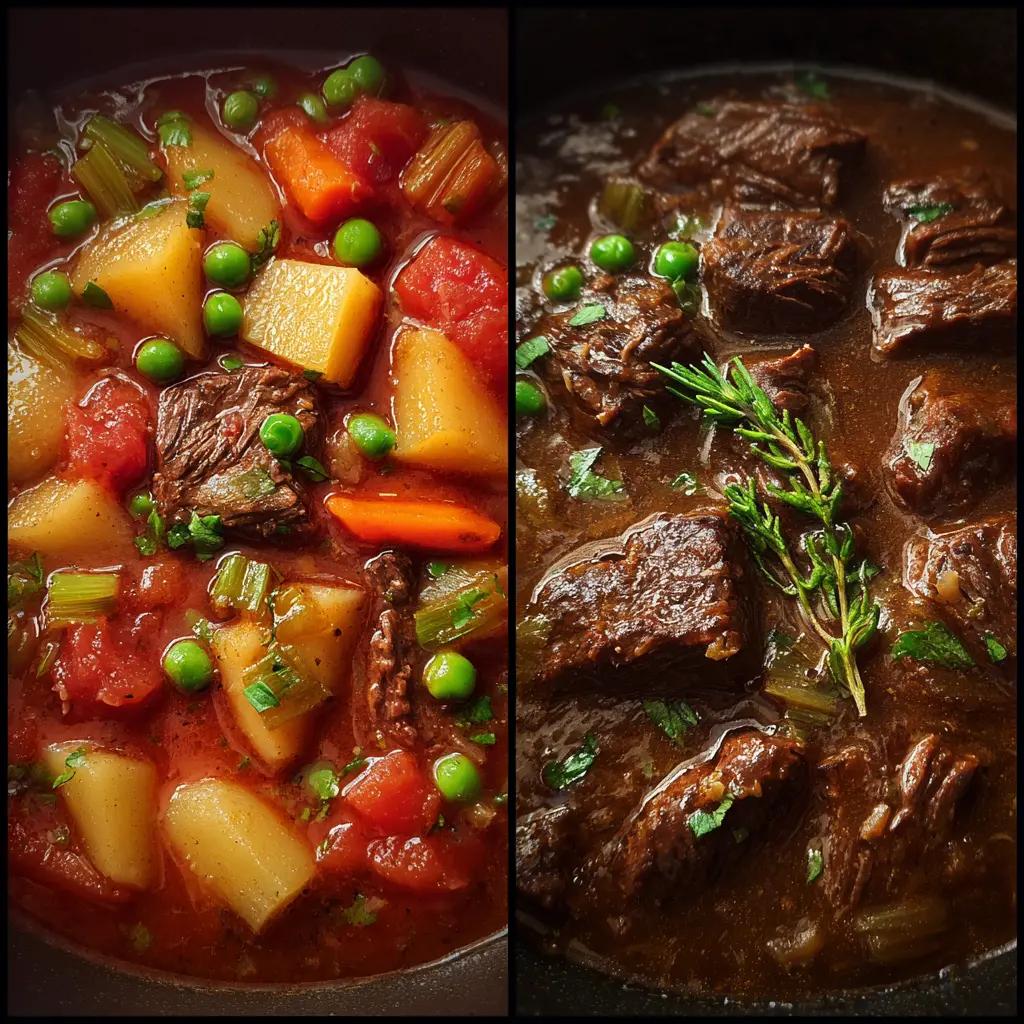
This difference in approach is part of what makes Hawaiian beef stew so memorable. It reflects the islands’ resourcefulness — using tomatoes for brightness, sweet onions for depth, and simple seasonings to let the ingredients shine.
If you enjoy exploring comfort foods with their own regional twists, check out our Jamaican Chicken Soup Recipe — another dish where cultural influences create something completely unique.
Essential Ingredients for Hawaiian Beef Stew
Every great dish begins with great ingredients, and Hawaiian beef stew is no exception. While the recipe is simple at its core, the choice of beef, vegetables, and broth makes all the difference. Over the years, I’ve learned that the magic of this stew lies in the balance between rich, savory meat and the natural sweetness of island vegetables simmered in a tomato base.
Choosing the Right Cut of Beef
The beef is the heart of this dish, and the cut you choose determines whether your stew will be just good — or unforgettable. For the most tender, melt-in-your-mouth texture, you’ll want cuts rich in connective tissue and marbling that break down beautifully during slow cooking.
| Cut of Beef | Why It Works | Alternative Cuts |
|---|---|---|
| Chuck Roast | Well-marbled, turns fork-tender as it simmers | Beef brisket, shoulder steak |
| Beef Shank | Full of collagen, adds body to the broth | Short ribs |
| Stew Meat | Pre-cut and convenient, but quality can vary | Sirloin (for a leaner option) |
Chef’s Tip: Marinate beef in shoyu (Hawaiian-style soy sauce) and garlic for 30 minutes before cooking — it deepens the flavor and helps tenderize the meat.
Key Vegetables and Their Role
Vegetables in Hawaiian beef stew don’t just bulk up the dish — they balance the acidity of the tomatoes and add natural sweetness that defines the stew’s flavor.
| Vegetable | Role in the Stew | Optional Additions |
|---|---|---|
| Carrots | Sweeten the broth naturally | Bell peppers |
| Potatoes | Add bulk and help thicken the stew | Taro (for a Hawaiian twist) |
| Celery | Provides a mild herbal note and crunch | Onions (for added depth) |
In Hawaii, sweet onions are often used for their delicate flavor. They soften into the broth and almost melt away, leaving behind a sweetness that complements the tangy tomato base.
The Unique Tomato-Based Broth
This is where Hawaiian beef stew sets itself apart from other stews. Instead of a heavy, flour-thickened gravy, the broth is tomato-rich, vibrant, and layered with umami.
| Ingredient | Why It’s Used | Substitutes |
|---|---|---|
| Tomato Sauce | Creates the rich, tangy base | Tomato paste + water |
| Diced Tomatoes | Adds texture and acidity | Fresh blended tomatoes |
| Beef Broth | Balances acidity, boosts umami | Chicken broth, vegetable stock |
Chef’s Tip: The longer the stew simmers, the more the tomatoes break down, creating a thicker, more flavorful broth that clings to every bite of beef.
If you want to dive deeper into choosing the best beef for your recipes, learn more about the Health Benefits of Denver Steak and why certain cuts are better for slow cooking.
Step-by-Step Cooking Instructions for Hawaiian Beef Stew
Cooking Hawaiian beef stew isn’t about rushing — it’s about patience and respect for the process. Each step builds on the last, layering flavor until the stew is rich, comforting, and deeply satisfying.
Prepping the Ingredients
Preparation is the foundation of a good stew. Take your time here, and you’ll thank yourself later.
- Cut the beef into large chunks, about 1.5 inches each. This size ensures even cooking and keeps the meat juicy.
- Chop the vegetables into bite-sized pieces so they cook at the same pace.
- Crush or mince the garlic to release its aroma and oils.
- Mix your tomato base by combining tomato sauce, diced tomatoes, and broth in a bowl.
Chef’s Tip: Lightly dust the beef with flour before browning. This not only helps with searing but also thickens the broth naturally as the stew simmers.
Browning the Beef for Maximum Flavor
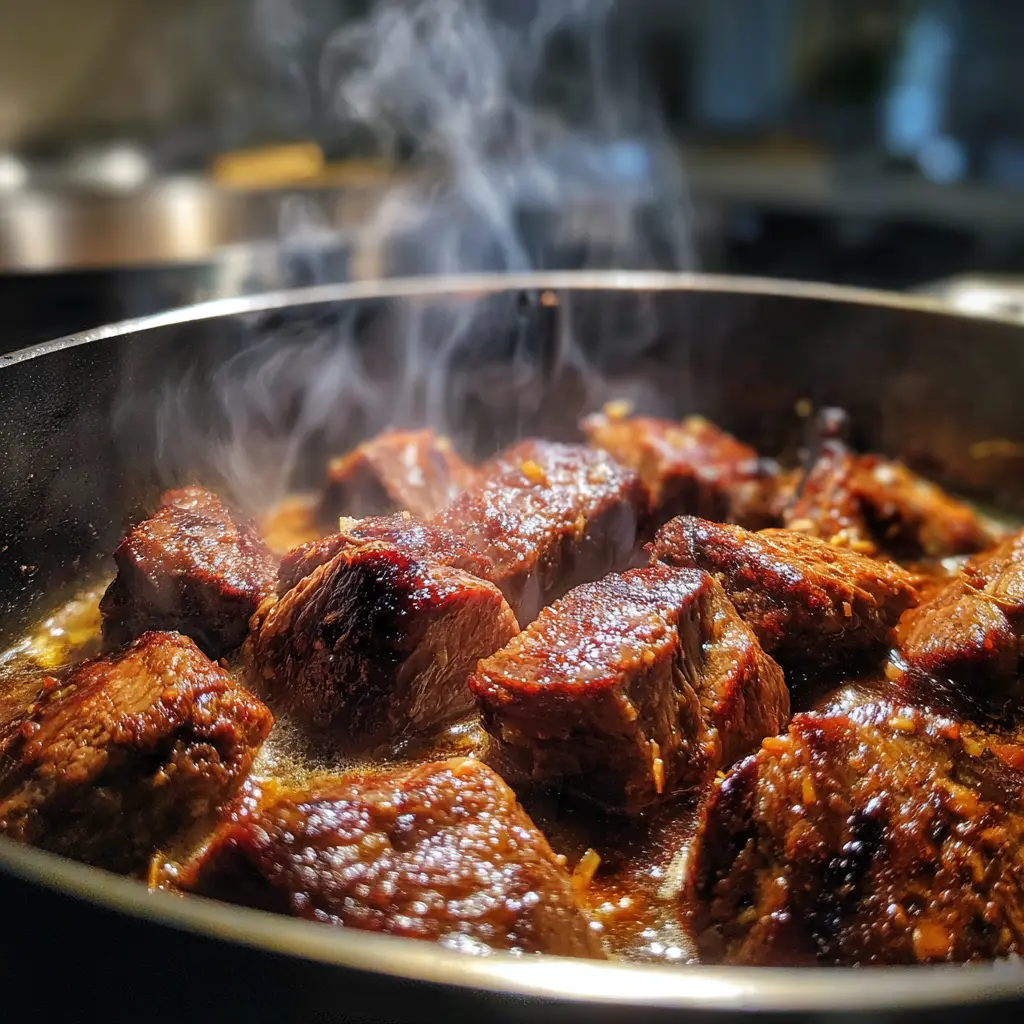
This step is where the magic begins. Browning beef isn’t just about color — it’s about creating deep, savory flavor.
- Heat 2 tablespoons of oil in a large pot over medium-high heat.
- Add beef in small batches to avoid overcrowding (which causes steaming, not searing).
- Sear each piece until it develops a rich brown crust, about 3–4 minutes per side.
- Remove the beef and set it aside, keeping those browned bits in the pot for flavor.
Building the Stew Base
With the beef set aside, it’s time to build the base of the stew.
- Sauté onions and garlic in the same pot for about 2 minutes.
- Pour in your tomato mixture and bring it to a gentle simmer.
- Return the browned beef to the pot.
- Add extra broth if needed to cover the meat.
Simmering to Perfection
This is where patience pays off. Low and slow cooking is the secret to fall-apart tender beef.
- Cover the pot and simmer on low heat for 1.5 to 2 hours, stirring occasionally.
- During the last 30 minutes, add carrots, potatoes, and celery.
- Adjust seasonings with Hawaiian sea salt and black pepper before serving.
Chef’s Tip: Avoid boiling — it makes the meat tough. A gentle simmer is all you need.
Make-Ahead Flavor Boost
If you’ve got time, let the stew cool, refrigerate it overnight, and reheat it the next day. The flavors deepen beautifully, and you’ll notice the broth becomes richer and silkier.
Secret Ingredients and Cooking Techniques for Hawaiian Beef Stew
Every cook has a trick up their sleeve, and when it comes to Hawaiian beef stew, the secret lies in a few simple but powerful additions. These small touches are what elevate the dish from ordinary to unforgettable.
Why Shoyu Changes Everything
The not-so-hidden secret in Hawaiian kitchens is shoyu — the local style of soy sauce. Unlike regular soy sauce, shoyu is slightly sweeter and less salty, which makes it perfect for balancing the acidity of the tomato-based broth. Just 1–2 tablespoons added toward the end of cooking deepen the umami without overwhelming the stew.
Chef’s Tip: Stir in the shoyu during the last 10 minutes of simmering. This preserves its delicate sweetness and ensures the flavors stay vibrant.
Other Flavor-Boosting Secrets
While shoyu is the classic addition, many cooks have their own flavor upgrades:
- Worcestershire sauce – Adds a tangy depth and a hint of spice
- Fish sauce – Boosts umami without tasting “fishy”
- Balsamic vinegar – A splash balances the tomato’s acidity with mellow sweetness
Cooking Techniques for Tender Meat
The tenderness of the beef makes or breaks this dish. Here’s how to guarantee that “melt-in-your-mouth” texture:
- Low and Slow Cooking – Simmer gently for 1.5–2 hours to break down collagen.
- Brown First, Then Simmer – Searing builds flavor that carries through the stew.
- Don’t Boil – Boiling toughens the meat; keep the heat steady and low.
To reinforce this, the USDA recommends safe and effective cooking practices for beef, including keeping temperatures low and steady until the meat is fully cooked. Following the Safe Minimum Internal Temperatures ensures beef is tender and safe to eat.
A Chef’s Trick for Extra Tenderness
If you want to take it one step further, try marinating the beef before cooking. A quick soak in shoyu, garlic, and even a splash of pineapple juice (used sparingly) helps break down fibers while adding layers of flavor.
One Ingredient Upgrade to Make Your Hawaiian Beef Stew Better
Sometimes, one small addition can completely transform a dish. For Hawaiian beef stew, that upgrade is the humble yet powerful Hawaiian sweet potato, known locally as ʻuala.
The Science Behind ʻUala
Hawaiian sweet potatoes aren’t just sweeter than regular potatoes — they also come in vibrant colors like purple, orange, and yellow. When simmered in stew, they naturally enhance the broth with a caramel-like sweetness, while their starch thickens the base just enough for a velvety finish.
| Sweet Potato Type | Color | Flavor Profile | Best Use in Stew |
|---|---|---|---|
| Hawaiian ʻUala (Purple) | Purple | Sweet, slightly nutty | Holds shape, adds color |
| Orange Sweet Potato | Orange | Soft, sugary, rich | Thickens broth, creamy texture |
| Japanese Sweet Potato | Yellow | Mildly sweet, firm | Adds sweetness while staying intact |
Chef’s Tip: Add sweet potatoes in the last 30 minutes of simmering. This prevents them from breaking down too much and turning mushy.
How Sweet Potatoes Change the Stew
Unlike regular potatoes that mostly absorb flavor, sweet potatoes break down slightly and release their natural sugars. The result is a subtle caramel undertone that balances the acidity of the tomatoes and deepens the overall flavor.
Other Creative Upgrades
If you don’t have access to Hawaiian sweet potatoes, here are a few other ways I’ve elevated my stews over the years:
- A splash of coconut milk – Adds a creamy, tropical layer of flavor
- Fresh ginger slices – Lends warmth and balances acidity
- Fish sauce – Deepens umami without overpowering the tomato base
If you’ve got a sweet tooth after your stew, don’t miss our island-inspired Churro Cheesecake Recipe — it’s the perfect finish to a comforting meal.
Serving and Pairing Suggestions for Hawaiian Beef Stew
Hawaiian beef stew isn’t just about what’s in the pot — it’s about how it’s served. In Hawaii, food is always about sharing, and the accompaniments transform this hearty stew into a true island meal.
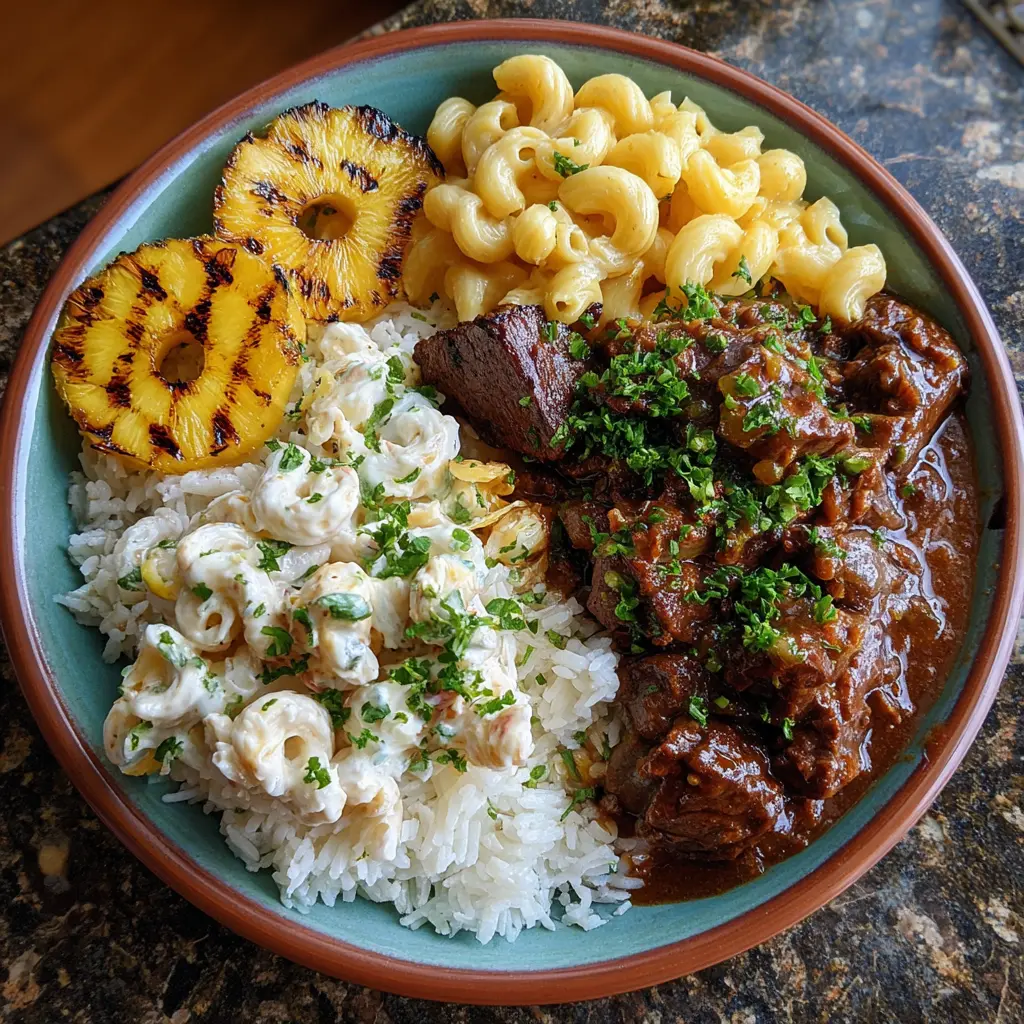
Traditional Hawaiian Accompaniments
In local homes and diners, you’ll rarely see beef stew served with bread. Instead, rice takes center stage. It soaks up the rich tomato broth and turns every bite into comfort on a spoon.
- Steamed White Rice – Always the classic choice, balancing richness with simplicity.
- Macaroni Salad – Creamy and cool, this plate-lunch favorite offers a refreshing contrast to the warm stew.
- Poi (Taro Paste) – A traditional Hawaiian staple, its mild flavor pairs beautifully with the stew’s savory depth.
Best Side Dishes and Garnishes
If you want to elevate the meal for guests, add sides and garnishes that brighten the plate.
- Lomi Lomi Salmon – A fresh, citrusy tomato and salmon salad that cuts through the stew’s richness.
- Hawaiian Sweet Rolls – Soft, slightly sweet bread that’s perfect for dipping into the tomato broth.
- Grilled Pineapple Slices – A tropical touch that caramelizes into sweetness.
Garnish Ideas:
- Chopped green onions for freshness
- A squeeze of lime juice for acidity
- A sprinkle of Hawaiian sea salt to finish the flavors
Drinks That Complement the Dish
The right drink completes the experience, and in Hawaii, beverages often mirror the flavors of the islands.
- Hawaiian Sun Juice – Fruity and tropical, balancing the stew’s heartiness.
- Ginger Ale – Refreshing with just enough bite to cleanse the palate.
- Iced Hibiscus Tea – Light and floral, pairing beautifully with the tomato base.
Hawaiian beef stew is comfort food, but with the right pairings, it can also feel like a celebration. It’s the kind of meal that brings people together — whether it’s a family Sunday dinner or a big gathering with friends.
FAQs
What’s the difference between Hawaiian stew and beef stew?
The main difference lies in the broth. Hawaiian beef stew uses a tomato-based broth with simple seasonings, while traditional beef stews usually have a thick brown gravy flavored with herbs. Hawaiian stew is also served with rice instead of bread or potatoes.
What is Hawaiian beef stew?
Hawaiian beef stew, also called “local style beef stew,” is a tomato-based dish made with tender chunks of beef, carrots, potatoes, and celery. It reflects Hawaii’s multicultural heritage and is a staple at plate-lunch spots, diners, and family gatherings.
What is the secret ingredient in the best beef stew?
The secret is shoyu (Hawaiian soy sauce). Adding just a tablespoon or two near the end of cooking deepens the umami and balances the tomato’s acidity, giving the stew its signature flavor.
What is luau stew?
Luau stew is a different Hawaiian dish made with taro leaves (luau leaves), often simmered with beef or squid in a savory broth. It’s earthy, creamy, and distinct from tomato-based Hawaiian beef stew.
What side dishes go with beef stew?
Traditionally, Hawaiian beef stew is served with white rice and sometimes macaroni salad. For variety, pair it with poi, Hawaiian sweet rolls, or lighter sides like lomi lomi salmon and grilled pineapple.
What is the difference between stew and stroganoff?
Stew is a slow-cooked dish with chunks of meat and vegetables in broth, while stroganoff is a creamy Russian dish usually made with sautéed beef strips, mushrooms, and a sour cream-based sauce.
Conclusion
Hawaiian beef stew is more than a recipe — it’s a story of Hawaii’s history, culture, and comfort food traditions. From the plantation kitchens where it was born to the plate-lunch counters where it thrives today, this dish has always been about bringing people together.
As a chef, I’ve learned a few rules that never fail:
- Use well-marbled cuts like chuck roast or beef shank for the best texture.
- Simmer low and slow — patience is the secret to tender meat.
- Stir in shoyu at the end for depth and balance.
- And always, always serve it with rice.
If you’re looking for a dish that’s hearty, flavorful, and deeply tied to Hawaiian tradition, this stew deserves a spot in your kitchen. And if you’d like to explore other vibrant, flavor-packed dishes, looking for inspiration? Try our Leche de Tigre Recipe.
So grab a bowl, scoop some fluffy rice, and let this stew warm your table the way it’s warmed Hawaiian homes for generations.