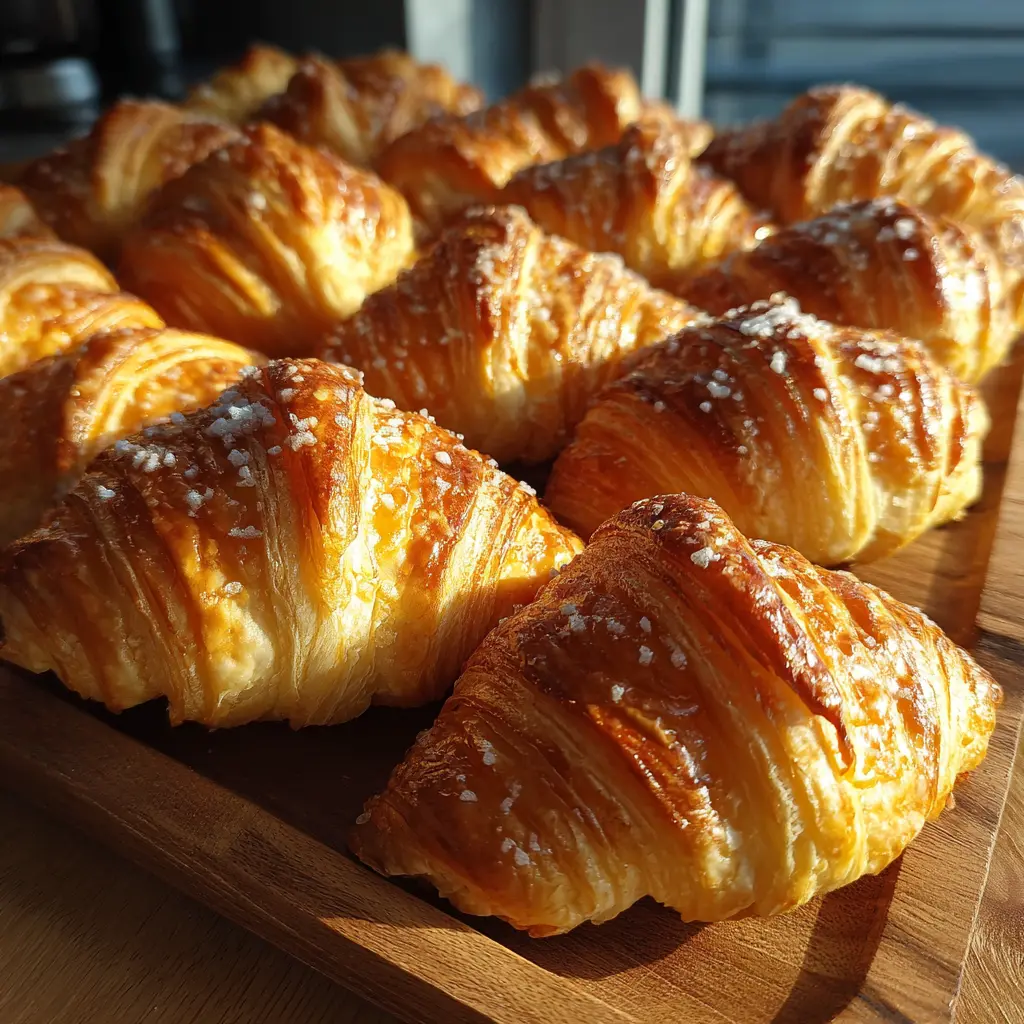
In the quiet mornings of Switzerland, the scent of fresh coffee and warm pastries fills the streets. Among the favorites found in bakeries and cafés is the Gipfeli — a golden crescent that often gets mistaken for its French cousin, the croissant.
But a Gipfeli tells a different story. Its texture is slightly denser, its layers more compact, and its taste more subtle. It’s not meant to be a luxury once in a while; it’s the pastry of everyday life in Switzerland — comforting, familiar, and always welcome at the breakfast table.
This Gipfeli recipe will guide you step by step to recreate that authentic Swiss flavor at home. Along the way, we’ll explore its origins, the key differences between Gipfeli and croissants, and variations that range from sweet to savory. By the end, you’ll have everything you need to bring a piece of Switzerland to your kitchen.
What is Gipfeli recipe?
A Swiss Pastry with Character
Gipfeli is a traditional Swiss pastry that often draws comparisons to the French croissant, but the two are far from identical. While a croissant is light, airy, and full of flaky layers, a Gipfeli has a denser crumb, smoother crust, and a more subtle buttery flavor. This difference in texture makes it a beloved everyday choice in Switzerland, rather than an occasional indulgence.
Why This Gipfeli Recipe Stands Out
This Gipfeli recipe captures the balance that Swiss bakers have perfected over generations. It’s not about making a show-stopping puff pastry; instead, it’s about creating a crescent that feels both comforting and satisfying. Made with flour, butter, yeast, and milk, Gipfeli is less complicated to prepare than croissants but still offers a rich, golden pastry that pairs perfectly with morning coffee or tea.
Everyday Swiss Breakfast Tradition
In Switzerland, grabbing a warm Gipfeli in the morning is as common as picking up a bagel in New York. Locals often enjoy it plain, with butter and jam, or alongside a cappuccino. It’s a symbol of daily life — simple, reliable, and rooted in tradition. For anyone looking to bring a touch of Switzerland into their home, learning this Gipfeli recipe is the perfect place to start.
History and Origins of Gipfeli
The Swiss Answer to the Croissant
While the croissant is undeniably French, the Gipfeli recipe was born in Switzerland as a local adaptation. Swiss bakers admired the French pastry but wanted something sturdier, less flaky, and easier to eat on the go. Thus, the Gipfeli took shape — still crescent-like but baked with a denser dough that gave it a smoother, more compact texture.
Cultural Roots in Swiss Breakfasts
In Swiss households, Gipfeli quickly became a morning staple. Whether enjoyed at home with butter and jam or picked up fresh from the bakery before work, it turned into the pastry of everyday life. According to the official Swiss tourism board, Gipfeli sits among the most beloved baked goods in the country’s culinary heritage (MySwitzerland).
A Name with Meaning
The word “Gipfeli” comes from Swiss-German, meaning “little peak.” This refers to its crescent shape, which resembles the top of a mountain peak — a fitting name for a pastry enjoyed in a land defined by its iconic Alps. Over time, Gipfeli became so ingrained in Swiss culture that no bakery display is complete without a tray of them.
Why Understanding the History Matters
Knowing where Gipfeli comes from helps you appreciate the pastry even more when following this Gipfeli recipe. Every step of the baking process carries a bit of tradition, and every bite reflects a piece of Swiss morning culture — hearty, simple, and deeply comforting.
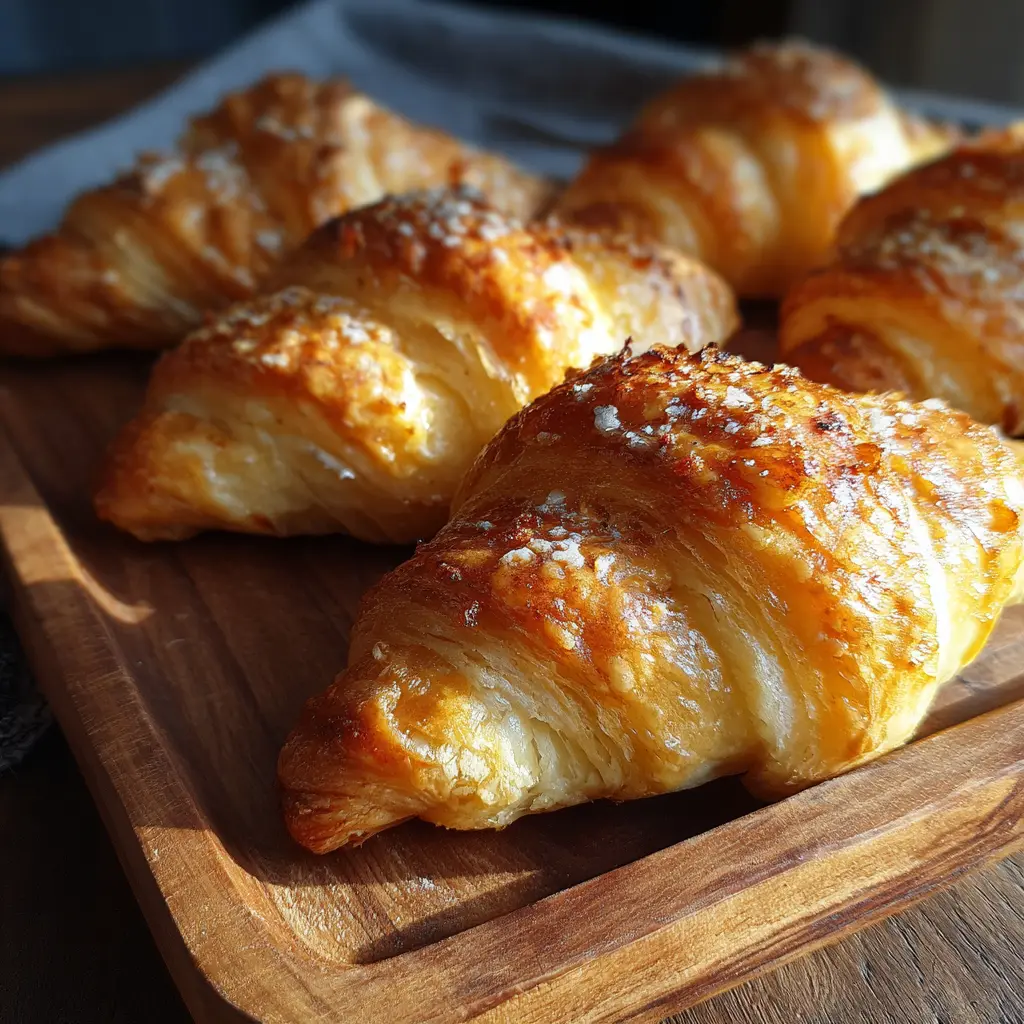

Classic Swiss Gipfeli (Swiss Croissant)
Ingredients
Equipment
Method
- Combine 3 ½ cups flour, ¼ cup sugar, and 1 tsp salt in a large bowl.
- Dissolve 2 ¼ tsp yeast in ½ cup warm milk. Let sit for 5 minutes to activate.
- Add yeast mixture, ½ cup softened butter, and 1 beaten egg to the dry mix.
- Knead the dough for 8–10 minutes until smooth and elastic.
- Place the dough in a greased bowl, cover, and let rise for 1–2 hours.
- Punch down dough and roll into a large rectangle.
- Fold into thirds, roll out, and repeat 2–3 times to create light layers.
- Slice the dough into triangular shapes for rolling.
- Roll each triangle from base to tip to form crescents.
- Preheat the oven to 375°F (190°C).
- Brush Gipfeli with beaten egg for a glossy finish.
- Bake for 18–20 minutes until golden brown.
- Let cool briefly before serving warm.
Nutrition
Notes
Tried this recipe?
Let us know how it was!Part 3: Gipfeli vs. Croissant – Key Differences
Similar in Shape, Different in Spirit
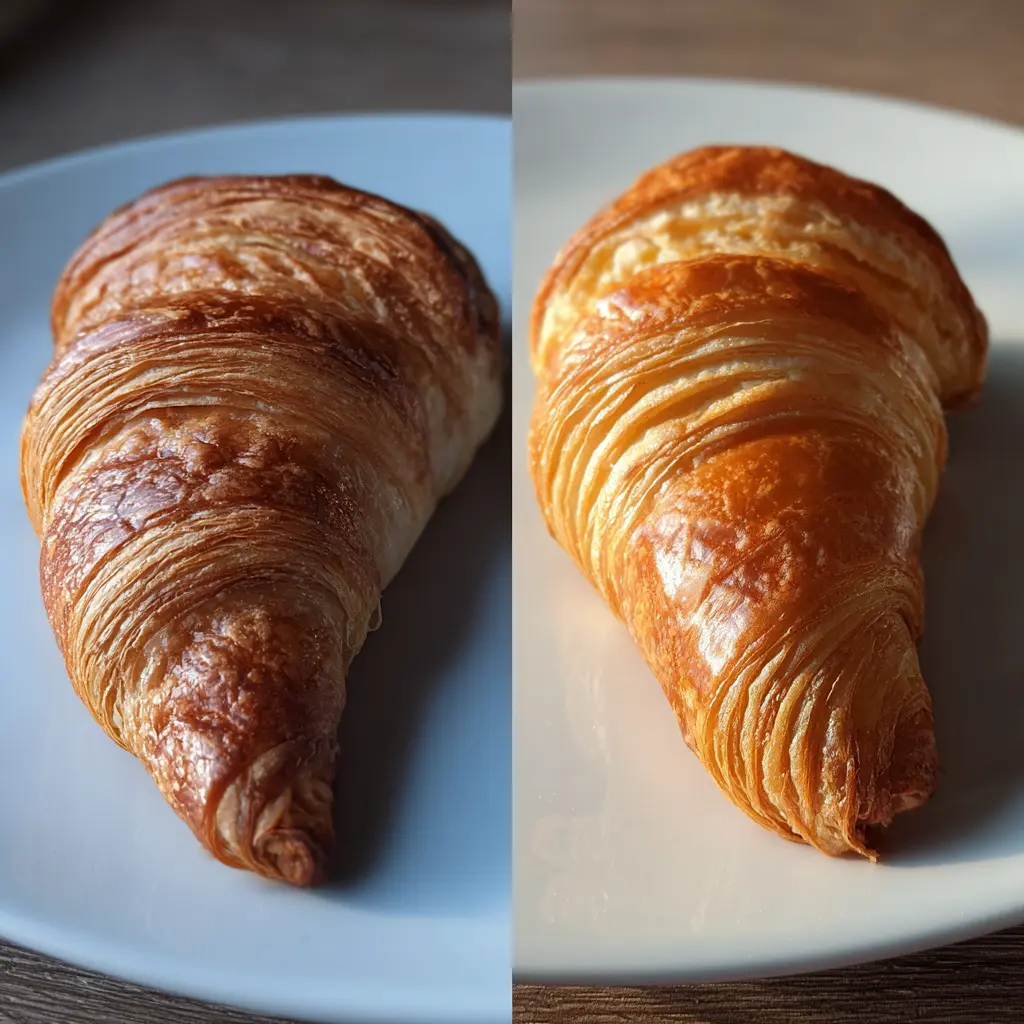
At first glance, a Gipfeli and a croissant might look like twins. Both are golden, crescent-shaped pastries, but once you bite into them, the differences become obvious. The Gipfeli recipe produces a pastry that’s denser and smoother, while the croissant relies on delicate layers that shatter with every bite.
Texture and Layering
- Gipfeli: Fewer layers, compact crumb, and a soft bite.
- Croissant: Dozens of thin layers created through laminating butter into the dough, resulting in an airy, flaky structure.
This makes Gipfeli easier to eat without leaving a trail of crumbs, which is why it’s favored as a quick breakfast option in Switzerland.
Ingredients and Butter Content
The dough is another defining factor. Gipfeli is made with less butter, sometimes enriched with milk, and focuses on balance rather than indulgence. Croissants, on the other hand, are unapologetically rich in butter, which gives them their luxurious texture and shine.
Baking Traditions: Swiss vs. French
Swiss bakers designed the Gipfeli for simplicity and convenience, while French bakers perfected the croissant through time-intensive lamination. It’s a tale of practicality versus artistry — and both have their place in pastry culture.
A Broader European Pastry Heritage
The story of Gipfeli and croissants also reflects how countries adapt pastries to their tastes. Just as the Swiss created their Gipfeli, northern Europe developed other unique breakfast breads. Learn more about other traditional European morning favorites like the Matjesbrötchen recipe, a German classic that pairs fish with soft rolls.
Which One Should You Choose?
If you’re looking for indulgence, a croissant might win. But if you want something that’s both satisfying and easier to enjoy daily, the Gipfeli recipe delivers the perfect balance.
Essential Ingredients for Making Gipfeli
Why Ingredients Matter in a Gipfeli Recipe
The heart of any pastry lies in its ingredients. A classic Gipfeli recipe doesn’t rely on complicated techniques but instead on quality flour, butter, yeast, and milk. The way you choose and balance these elements will determine whether your homemade Gipfeli tastes authentic.
Choosing the Right Flour
Swiss bakers often use all-purpose or bread flour for the ideal texture. Too soft, and the pastry collapses; too strong, and it becomes chewy.
| Flour Type | Protein Content | Best Use in Gipfeli |
|---|---|---|
| All-Purpose Flour | 10–12% | Soft, balanced texture |
| Bread Flour | 12–14% | Slightly chewier, richer |
| Pastry Flour | 8–9% | Too delicate, not ideal |
Check out how different flours behave in baking with our Crisco Pie Crust Recipe, where texture depends heavily on flour choice.
Butter Quality Makes the Difference
Butter isn’t just fat — it’s flavor. Swiss recipes often recommend high-fat European butter for its richness.
| Butter Type | Fat Content | Recommended for Gipfeli? |
|---|---|---|
| European Butter | 82–85% | Yes, best choice for flavor |
| Standard Butter | 80% | Acceptable, milder taste |
| Margarine | Varies | Not recommended, affects rise |
Yeast and the Role of Fermentation
Yeast determines how airy your Gipfeli turns out. A longer fermentation time generally enhances flavor and structure.
| Yeast Type | Fermentation Time | Suitability for Gipfeli |
|---|---|---|
| Fresh Yeast | 1–2 hours | Traditional, best option |
| Active Dry Yeast | 1–2 hours | Common, reliable |
| Instant Yeast | ~1 hour | Fast but less nuanced flavor |
Why Milk is Often Included
Unlike croissants, Gipfeli dough sometimes uses milk, which softens the crumb and gives the pastry a slightly sweeter taste. This subtle difference is part of what makes a Gipfeli recipe unique compared to its French counterpart.
Step-by-Step Guide to Making Homemade Gipfeli
Preparing the Dough
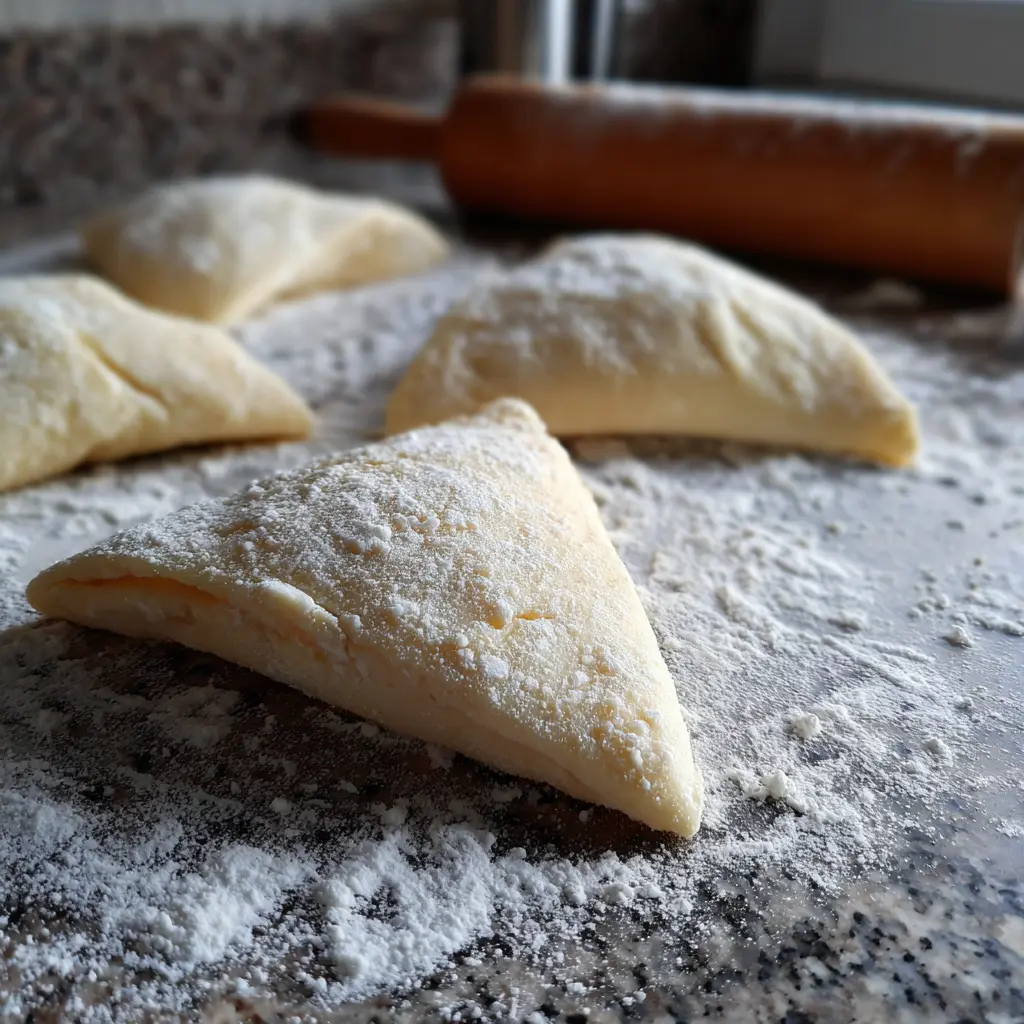
Every authentic Gipfeli recipe begins with a simple dough. The right sequence makes all the difference.
| Step | Action |
|---|---|
| 1. Mix Dry Ingredients | Combine 3 ½ cups flour, ¼ cup sugar, and 1 tsp salt in a large bowl. |
| 2. Activate Yeast | Dissolve 2 ¼ tsp active dry yeast in ½ cup warm milk, let sit 5 minutes. |
| 3. Combine Wet & Dry | Add yeast mixture, ½ cup softened butter, and 1 beaten egg to dry mix. |
| 4. Knead Dough | Knead for 8–10 minutes until smooth and elastic. |
| 5. First Rise | Place dough in greased bowl, cover, and rest 1–2 hours. |
Rolling and Shaping the Gipfeli
This step gives the Gipfeli recipe its signature crescent look.
| Step | Action |
|---|---|
| 1. Roll Out Dough | Punch down dough, roll into a large rectangle. |
| 2. Fold & Roll Again | Fold into thirds, roll out, repeat 2–3 times for light layers. |
| 3. Cut Triangles | Slice dough into even triangular shapes. |
| 4. Shape Crescents | Roll each triangle from base to tip, forming crescents. |
Baking Tips for Perfect Results
This is where your Gipfeli recipe transforms into golden pastries.
| Step | Action |
|---|---|
| 1. Preheat Oven | Set oven to 375°F (190°C). |
| 2. Egg Wash | Brush Gipfeli with beaten egg for shine. |
| 3. Bake | Place on lined tray, bake 18–20 minutes until golden. |
| 4. Cool & Enjoy | Rest for a few minutes before serving warm. |
Key Tips for Success
| Tip | Why It Matters |
|---|---|
| Use European butter | Richer flavor, better texture. |
| Don’t rush the rise | Gives depth of flavor and softness. |
| Add a splash of milk | Creates a tender crumb. |
| Bake on middle rack | Ensures even browning. |
Variations of Gipfeli to Try
One of the best things about a Gipfeli recipe is how adaptable it is. With a few small changes, you can create sweet, savory, vegan, or even gluten-free versions that suit every taste and occasion.
Sweet Gipfeli
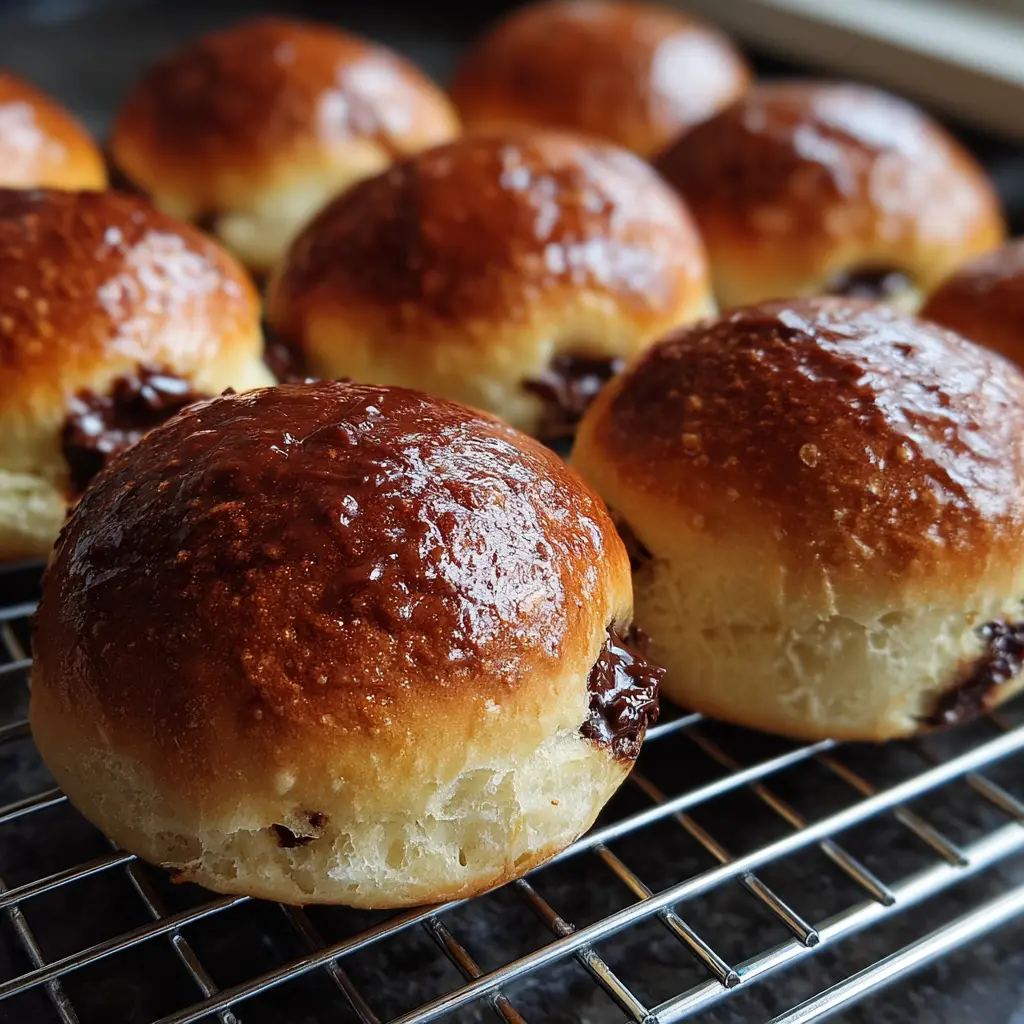
For those who enjoy a little indulgence, sweet Gipfeli is always a hit. You can roll a piece of dark chocolate or a spoonful of jam into the dough triangles before shaping them. Once baked, dust them with powdered sugar or drizzle with a light glaze for extra sweetness. Raspberry jam, apricot jam, or even honey and almonds make excellent fillings. If you’re craving more chocolate-based pastries, check out this Easy Chocolate Bun Recipe for inspiration.
Savory Gipfeli
Gipfeli doesn’t always need to be sweet. In fact, savory fillings turn this pastry into a hearty snack or light meal. Try stuffing the dough with Swiss cheese, ham, or even a mix of spinach and feta before rolling. A sprinkle of sesame or poppy seeds on top adds texture and flavor. Served warm, savory Gipfeli pairs perfectly with soup, salad, or even a simple cup of coffee.
Vegan Gipfeli
Adapting this Gipfeli recipe for plant-based eaters is surprisingly easy. Swap butter for vegan butter, use almond or oat milk instead of dairy, and brush the crescents with a plant-based milk and maple syrup mixture in place of egg wash. The result is just as golden, soft, and flavorful.
Gluten-Free Gipfeli
Even if you’re avoiding gluten, you don’t have to miss out on this Swiss favorite. Replace all-purpose flour with a good gluten-free flour blend and keep the rest of the recipe the same. The texture will be slightly different but still delicious.
Serving and Pairing Ideas for Gipfeli
Drinks That Pair Perfectly with Gipfeli
A fresh pastry deserves the right drink alongside it. Whether sweet or savory, every Gipfeli recipe pairs beautifully with these beverages.
| Drink | Why It Works with Gipfeli |
|---|---|
| Coffee (espresso, latte) | Balances buttery texture with bold flavors |
| Hot Chocolate | Complements chocolate or jam-filled Gipfeli |
| Black or Earl Grey Tea | Offers a lighter, aromatic contrast |
| Green Tea | Cleanses the palate, especially with savory versions |
| Fresh Orange Juice | Adds a refreshing, citrusy balance |
| Cold or Warm Swiss Milk | Traditional pairing in Switzerland, simple and comforting |
How to Store Gipfeli Properly
Although Gipfeli is best enjoyed fresh, this Gipfeli recipe allows you to store leftovers without losing flavor.
| Storage Method | Shelf Life | Best Practice |
|---|---|---|
| Room Temperature | 1–2 days | Keep in airtight container |
| Refrigerator | Up to 5 days | Wrap in plastic wrap or seal in zip bag |
| Freezer | Up to 2 months | Freeze in ziplock bag, squeeze out excess air |
Best Ways to Reheat Gipfeli
Reheating properly ensures your Gipfeli recipe tastes just as good the next day.
| Method | Temperature/Setting | Time | Result |
|---|---|---|---|
| Oven | 350°F (175°C) | 5–7 minutes | Restores crisp texture |
| Toaster Oven | Medium heat | 3–5 minutes | Quick and reliable reheating |
| Microwave | Low power | 20–30 sec | Softens pastry, less crisp |
Creative Serving Ideas
- Slice a warm Gipfeli in half and turn it into a breakfast sandwich with cheese and ham.
- Use day-old Gipfeli to make a bread pudding dessert.
- Try a sweet twist by dipping pieces into hot chocolate or coffee.
- Serve with seasonal fruit preserves for a traditional Swiss breakfast.
Mandelgipfel (Almond Gipfeli)
What is Mandelgipfel?
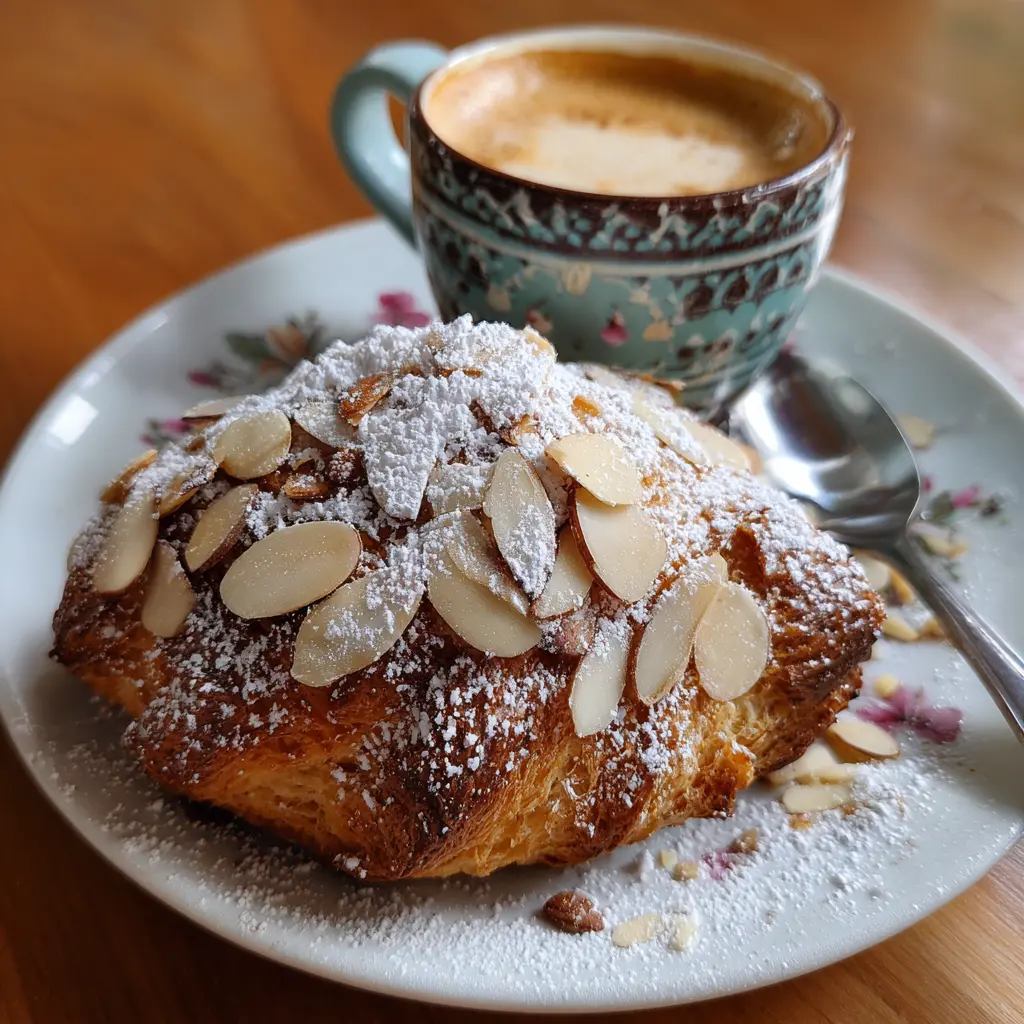
Mandelgipfel, or almond Gipfeli, is a beloved variation of the classic Swiss pastry. Unlike the traditional version, Mandelgipfel is enriched with almond paste or marzipan, topped with sliced almonds, and dusted with powdered sugar for a sweet, nutty finish. It’s richer, slightly denser, and often enjoyed as a special treat alongside coffee or tea.
Why Mandelgipfel is Special
Where the classic Gipfeli recipe is simple and versatile, Mandelgipfel leans toward indulgence. Its nutty filling and golden almond topping make it a favorite for those who want a pastry that feels more like dessert.
Learn More in Our Full Guide
Instead of covering every detail here, we’ve dedicated a complete guide to Mandelgipfel — including step-by-step instructions, the full ingredient list, and expert baking tips. Explore everything about this almond-filled pastry in our Mandelgipfel Swissmilk Guide.
FAQs
What is the difference between a croissant and a Gipfeli?
The main difference is texture and butter content. Croissants are airy and flaky because of their laminated dough, while a Gipfeli recipe produces a denser, smoother pastry with fewer layers. Croissants feel like a luxury treat, whereas Gipfeli is more of an everyday Swiss breakfast staple.
What is a Gipfeli?
A Gipfeli is a traditional Swiss pastry shaped like a crescent. It’s similar to a croissant but denser, less flaky, and mildly sweet. Often enjoyed with butter, jam, or honey, it’s one of the most popular breakfast items in Switzerland.
Is Gipfeli a Swiss pastry?
Yes. Gipfeli is one of Switzerland’s signature baked goods. Found in nearly every bakery and café, it reflects the Swiss love for simple yet hearty pastries. This is why learning a Gipfeli recipe is a great way to bring a piece of Swiss tradition into your kitchen.
How to cook Ubhontshisi recipe?
Ubhontshisi is a South African bean stew, not related to Gipfeli. To make it, soak beans overnight, then cook them slowly with onions, tomatoes, and spices until tender. It’s a hearty comfort dish often served as a side or main.
What is a Glif?
A “glif” is a stylized symbol or character, often used in digital fonts or design. It has no connection to a Gipfeli recipe, though the similarity in spelling sometimes causes confusion.
What is the best way to eat a Gipfeli?
The best way to enjoy a Gipfeli is fresh from the oven, still slightly warm. Pair it with coffee, tea, or hot chocolate for a classic Swiss breakfast experience. For extra flavor, spread butter, jam, or honey inside — simple additions that elevate the pastry beautifully.
Conclusion and Final Tips for Making the Best Gipfeli recipe
Baking Gipfeli at home is more than just following a recipe — it’s about experiencing a piece of Swiss culture. The classic Gipfeli recipe may be simpler than a croissant, but its charm lies in that very simplicity. With good flour, rich butter, and the right technique, you can create a pastry that’s soft inside, golden outside, and satisfying with every bite.
Here are a few quick takeaways to keep in mind:
- Always use quality butter for the best flavor.
- Let the dough rise fully — patience pays off.
- A light egg wash gives that perfect golden shine.
- Serve warm for the most authentic experience.
Whether you choose the plain version, a sweet Mandelgipfel, or a savory ham-and-cheese twist, Gipfeli is versatile enough to fit any table. And if you love exploring more baked treats, don’t miss our Chocolate Pound Cake Recipe for another bakery-style favorite you can try at home.
So now it’s your turn: roll up your sleeves, preheat the oven, and bring the warmth of Switzerland right into your kitchen with this timeless Gipfeli recipe.