
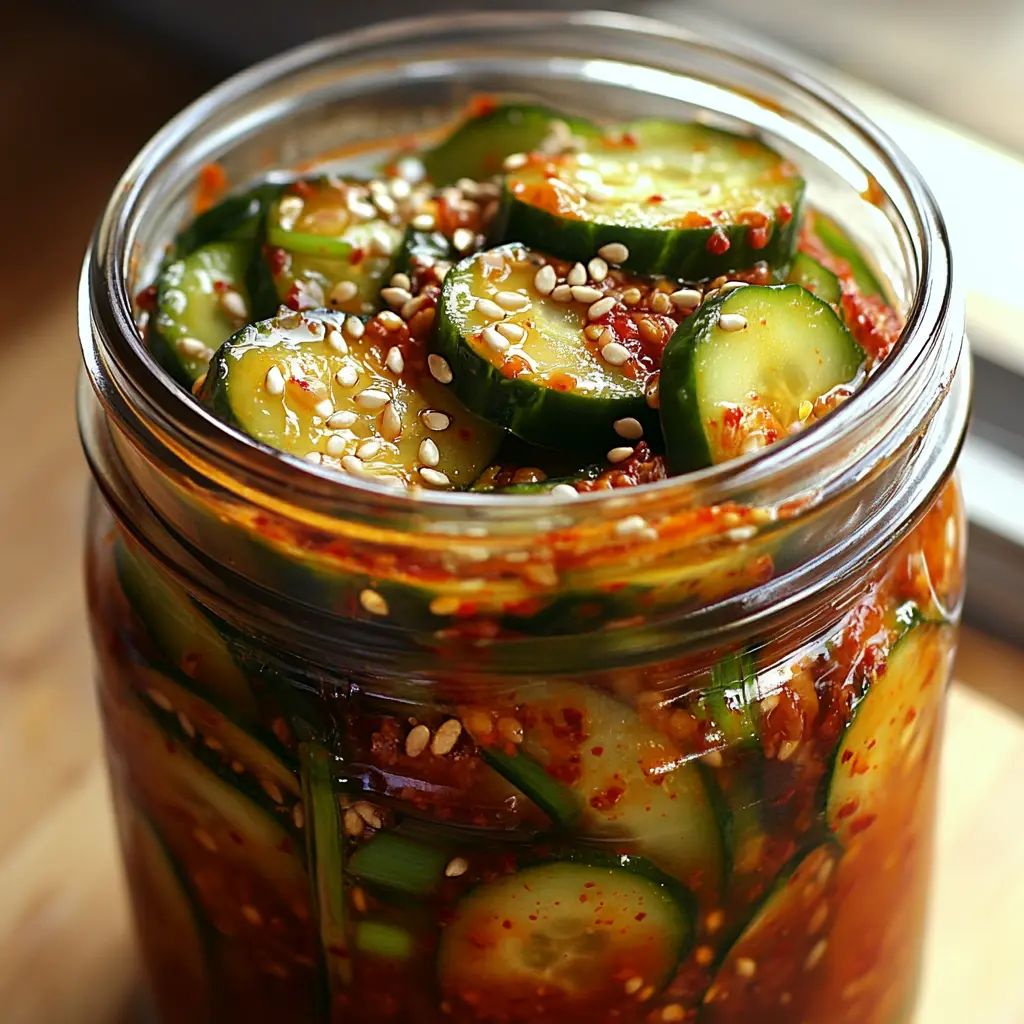
It all started with a sad, lonely cucumber sitting in the back of my fridge. You know the one—half-wrinkled, silently judging you every time you reach for oat milk. One day, after binge-watching too many Korean dramas and drooling over sizzling side dishes, I had an epiphany: “What if I turn that cucumber into something amazing?”
Enter the glorious cucumber kimchi recipe—the spicy, crunchy, tangy masterpiece that turned my fridge disaster into a fermentation fairy tale. It’s quick, easy, and perfect for lazy cooks (like me) who want bold flavor without fermenting a vat of cabbage for 10 days.
Cucumber Kimchi recipe, or oi kimchi, is the cool, crisp cousin of traditional kimchi. It doesn’t need months to ferment, and you can enjoy it in just a few hours. Plus, it’s a hydration hero during hot summer days.
Whether you’re a kitchen rookie or a spice lover searching for a fresh twist, this cucumber kimchi recipe will win your taste buds over faster than you can say “gochugaru.”
Let’s dive into what makes this crunchy, spicy superstar so crave-worthy.
What Makes Cucumber Kimchi recipe So Unique?
What Sets Cucumber Kimchi recipe Apart from Traditional Kimchi
While classic cabbage kimchi is all about deep fermentation, Cucumber Kimchi recipe is a quick fermenter—bold in flavor, yet bright and refreshing in texture. It skips the long wait but still delivers that addictive spicy-sour combo we all love.
Plus, it’s super light and crunchy, making it the ultimate summer side dish. Unlike cabbage, cucumbers hold water like pros. That means each bite is juicy, zesty, and wakes up your mouth with flavor bombs. It’s kimchi—but make it refreshing.
Why This Cucumber Kimchi Recipe is Perfect for Busy Days
Let’s be honest: not all of us have time (or patience) to babysit a giant jar of fermenting cabbage. This cucumber kimchi recipe is here for you—the busy parent, the broke college student, or the hungry human who wants something now. Prep takes about 20 minutes, and it’s ready to eat the same day. It’s basically the fast food of fermented foods—but homemade and way healthier.
Oh, and cleanup? Minimal. No need for fermentation crocks or funky smells wafting through your kitchen for a week.
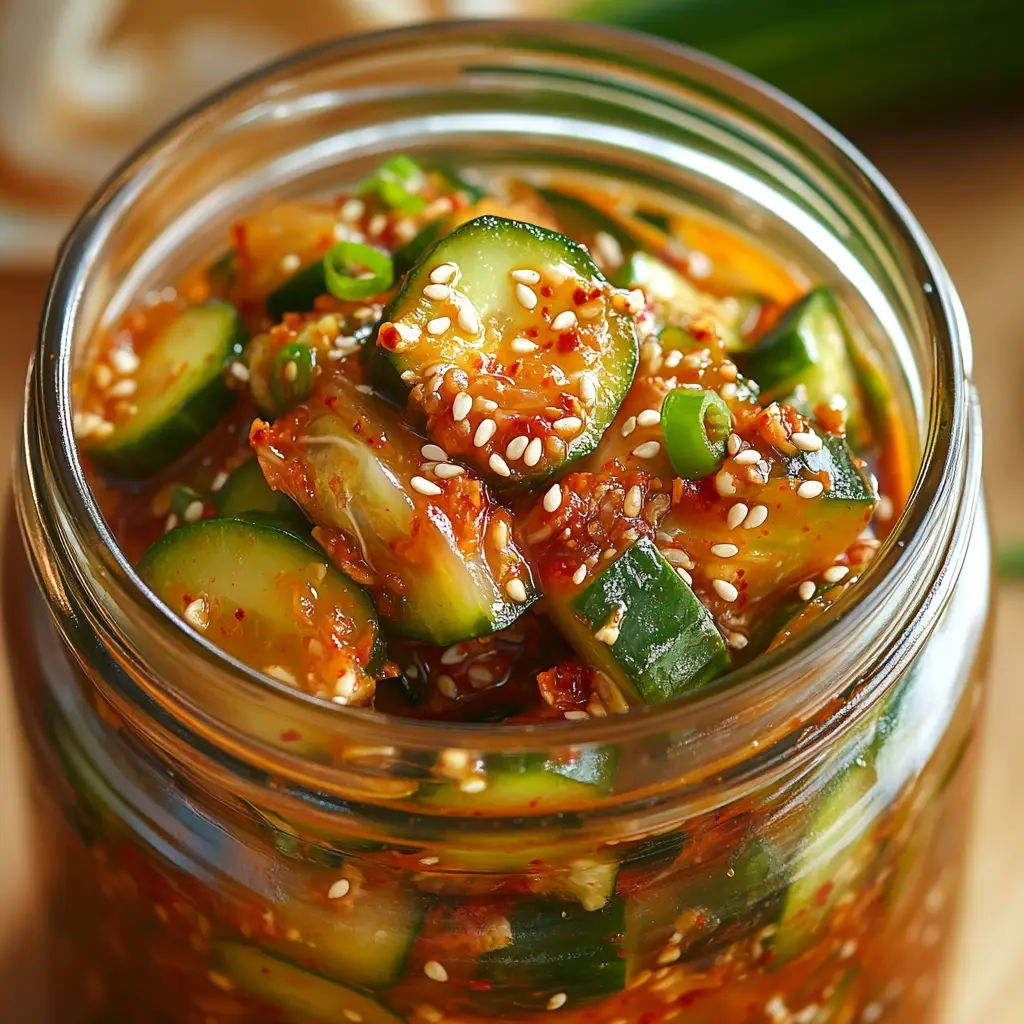

Cucumber Kimchi (Oi Kimchi)
Ingredients
Equipment
Method
- Wash and slice cucumbers into quarters or halves. Leave skins on for extra texture.
- Sprinkle cucumbers with kosher salt, toss to coat, and let sit in a colander for 30–40 minutes. Rinse and pat dry.
- In a bowl, combine gochugaru, garlic, ginger, fish sauce, rice vinegar, sugar, sesame oil, and sesame seeds. Mix into a thick paste.
- Add sliced green onions to the paste and stir. Then massage the paste into the salted cucumbers to coat evenly.
- Pack the coated cucumbers into a clean glass jar. Press down to remove air bubbles. Leave at room temperature for 12–24 hours.
- After fermenting, refrigerate and enjoy within 7–10 days. Flavor deepens over time.
Nutrition
Notes
Tried this recipe?
Let us know how it was!Ingredients Breakdown for the Ultimate Cucumber Kimchi recipe
Essential Ingredients and Their Roles in Flavor and Fermentation
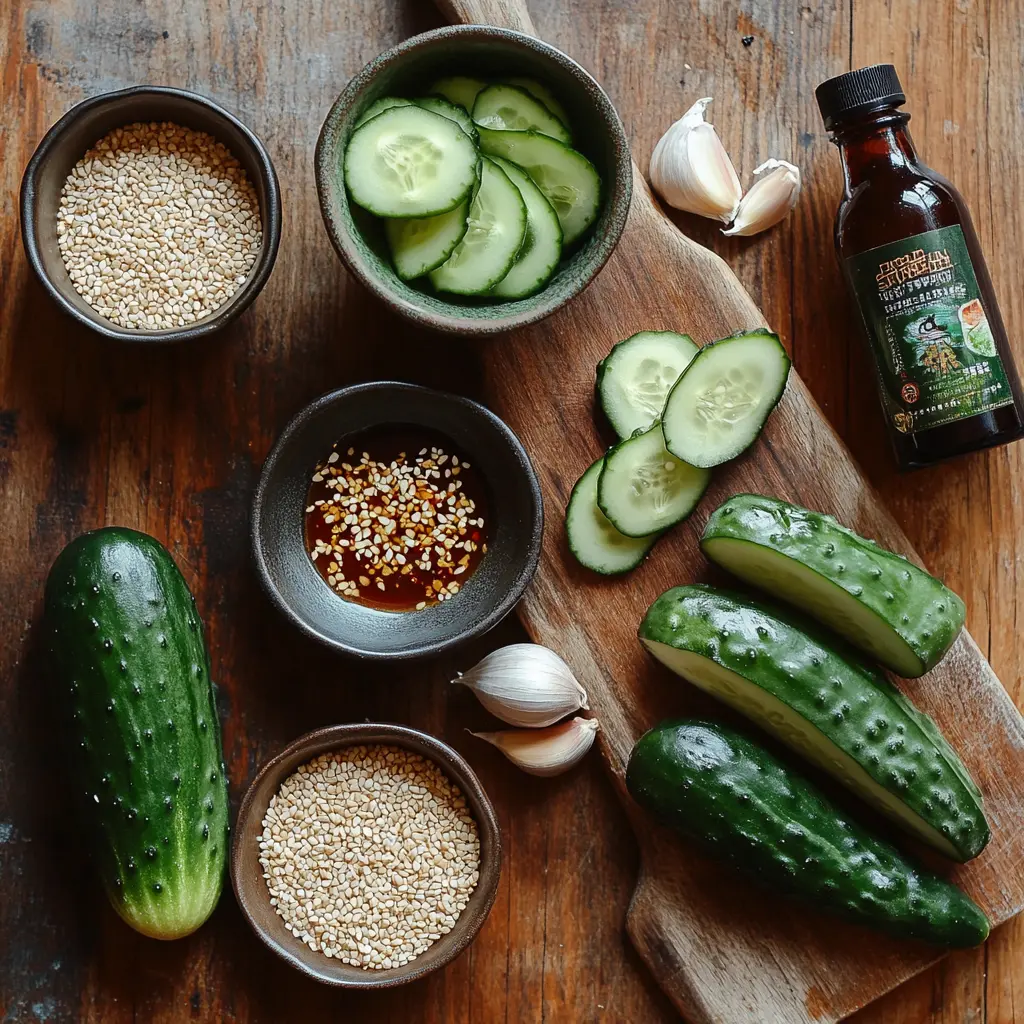
At the heart of every delicious cucumber kimchi recipe is, of course, the humble cucumber. But not just any cucumber—look for fresh, firm, seedless ones like Persian or Korean cucumbers. They stay crisp during the salting and marinating process, giving that satisfying crunch in every bite.
Here’s what else you’ll need and why each ingredient matters:
| Ingredient | Role in Recipe |
|---|---|
| Cucumber | Provides a crunchy, refreshing base |
| Salt | Draws out excess moisture and enhances flavor |
| Gochugaru | Korean red pepper flakes—adds the signature spicy kick |
| Garlic | Gives deep, aromatic heat |
| Ginger | Adds warmth and balances sharp flavors |
| Fish Sauce | Delivers umami depth and savory richness |
| Sugar | Softens the spice with a touch of sweetness |
| Rice Vinegar | Brings a bright, tangy punch that helps with quick fermentation |
| Green Onion | Fresh bite and a bit of oniony sharpness |
| Sesame Seeds/Oil | Adds nuttiness and rounds out the flavor |
Each ingredient works together like a K-pop group—spicy, sharp, smooth, and a little sweet. You can’t pick a favorite, but together, they slay.
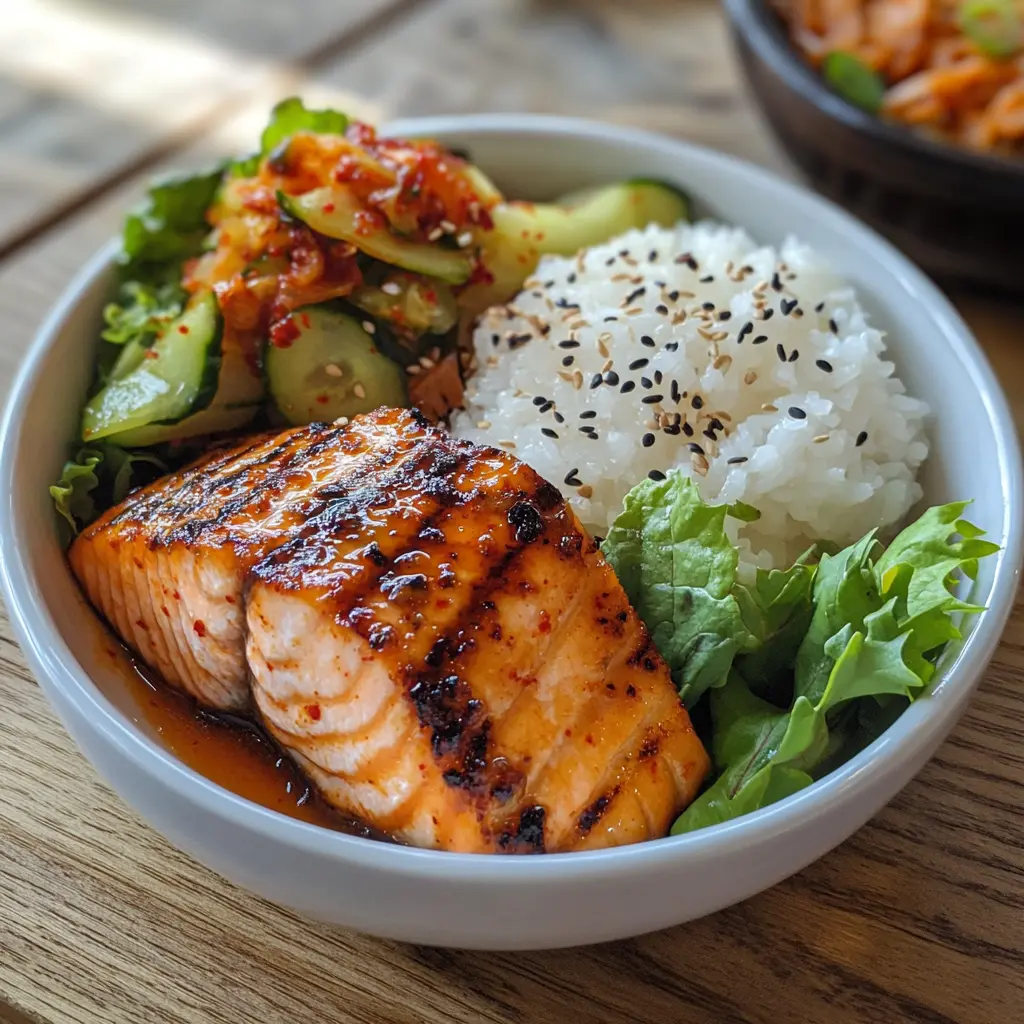
Don’t miss our easy salmon steak recipe—a light, protein-packed match that brings out the kimchi’s kick.
Ingredient Swaps for Vegan, Gluten-Free, or Low-Sodium Versions
This Cucumber Kimchi recipe is pretty forgiving—no need to hunt down every exotic thing if your pantry’s running low.
- Vegan swap: Use soy sauce or tamari instead of fish sauce. Or try kelp powder or miso paste for umami.
- Low-sodium option: Use less salt during the brining step, and choose low-sodium soy sauce.
- Gluten-free version: Stick with gluten-free tamari and double-check your gochugaru is gluten-free (most are, but labels matter).
Optional upgrades:
- Add julienned carrots or daikon for extra texture and color.
- Mix in apple slices for a sweet-tangy twist.
- A pinch of MSG or mushroom powder gives it a restaurant-level umami boost.
Step-by-Step Cucumber Kimchi Recipe Preparation
How to Prepare and Salt Cucumbers the Right Way
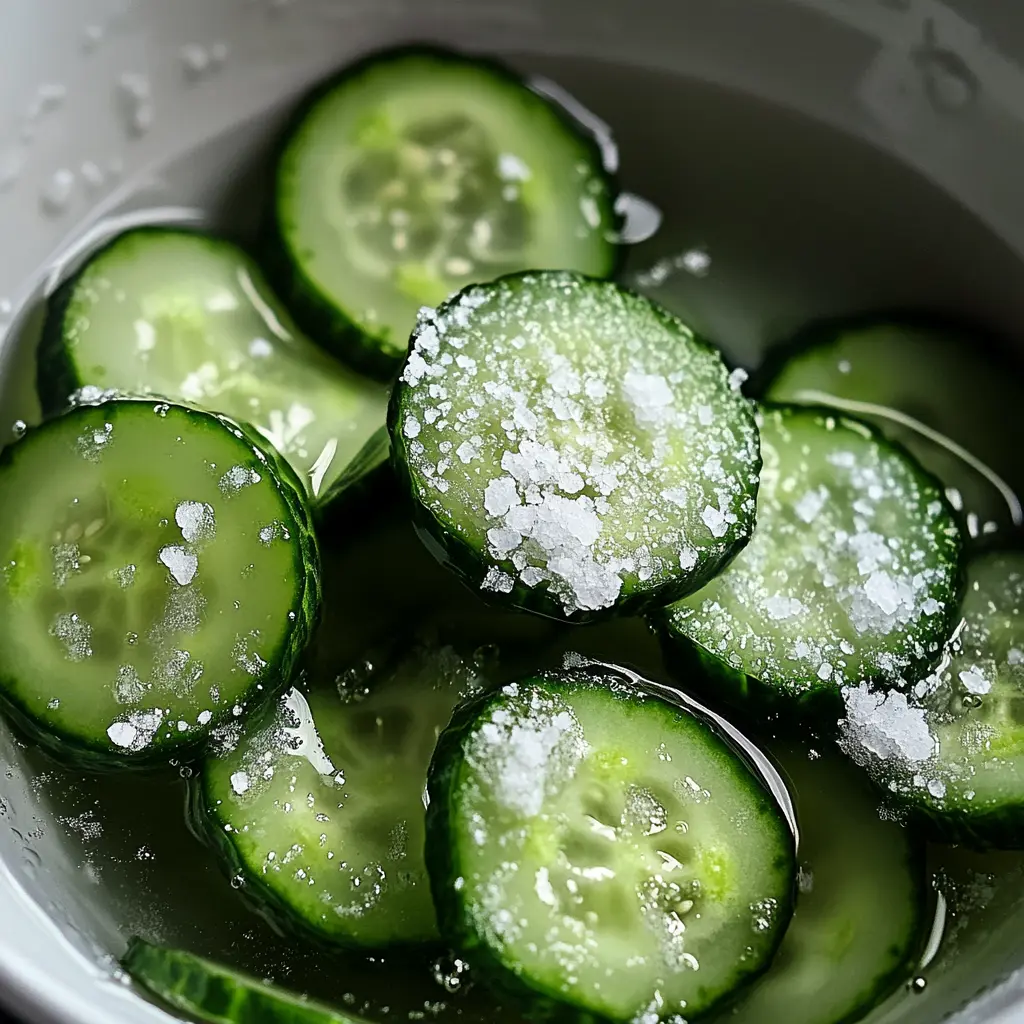
The first step in any cucumber kimchi recipe is prepping your cucumbers like a pro. Wash them thoroughly and slice them lengthwise into quarters (or halves if you prefer chunkier bites). No need to peel them—those skins add texture.
Now, here’s where the magic begins: salting. Generously sprinkle kosher salt over the cucumbers and toss to coat. Place them in a colander over a bowl and let them sit for 30 to 40 minutes. This step pulls out excess moisture, so your kimchi doesn’t get soggy later.
Wondering how long to soak cucumbers in salt for kimchi? Aim for 30 minutes minimum, or up to 1 hour if they’re thick-skinned. You’ll notice water pooling below—that’s a good sign. Once time’s up, rinse the cucumbers thoroughly and pat them dry.
Mixing the Perfect Spicy Kimchi Paste
In a mixing bowl, combine the following for your flavor-packed kimchi paste:
- 2 tablespoons gochugaru (adjust to heat preference)
- 2 cloves garlic, minced
- 1 teaspoon grated ginger
- 2 tablespoons fish sauce (or soy sauce for vegan version)
- 1 tablespoon rice vinegar
- 1 teaspoon sugar
- Optional: 1 tsp sesame oil + 1 tsp sesame seeds for aroma and texture
Stir until smooth and thick. Adjust salt, vinegar, or sugar to taste—remember, it should be bold, a bit salty, tangy, and spicy.
Combining and Storing: Putting It All Together
Now, take your salted cucumbers and gently massage the paste onto them—don’t be shy! Get in there with clean hands or gloves to coat every crevice.
Pack them tightly into a clean, airtight glass jar, pressing down to eliminate air bubbles. Let the jar sit at room temperature for 12 to 24 hours—this is the fast ferment phase.
How long should Cucumber Kimchi recipe ferment?
If you like it fresh and crunchy, it’s ready in 12–24 hours. For a tangier taste, refrigerate for another 1–3 days. After that, keep it chilled and eat within 7–10 days for best texture and flavor.
Check out our lesser-known yet tasty seafood mac and cheese dish—an unexpectedly awesome match for spicy, tangy kimchi.
Styles and Regional Variations of Cucumber Kimchi recipe
Traditional Oi Sobagi vs. Modern Cucumber Kimchi recipe Styles
When it comes to Cucumber Kimchi recipe, not all versions are created equal. One of the most iconic traditional forms is Oi Sobagi, which literally means “stuffed cucumber kimchi.” Instead of mixing cucumbers with paste, you make deep slits in whole cucumbers and stuff them with a seasoned veggie mix—usually shredded carrots, chives, and onions coated in gochugaru paste.
Oi Sobagi tends to be:
- Fermented longer (2–3 days)
- Served cold and crunchy
- Perfect for banchan (Korean side dishes)
In contrast, the modern cucumber kimchi recipe is more relaxed. It’s a quicker mix-and-marinate dish that uses chopped cucumbers tossed in spicy paste, ready to eat the same day. It’s simple, fast, and has become a favorite for busy cooks or anyone who doesn’t want to wait for days to eat something delicious.
Regional Twists: How Korea Does It Differently by Province
Just like BBQ in the U.S., kimchi styles in Korea vary by region—each adding its own flare. The same goes for Cucumber Kimchi recipe :
| Region | Unique Twist on Cucumber Kimchi |
|---|---|
| Jeolla Province | Adds fermented shrimp paste for a seafood umami kick |
| Gyeongsang | Uses more garlic and chili for a bolder, fiery flavor |
| Seoul/Capital Area | Lighter seasoning, more vinegar—great for quick kimchi |
| Gangwon | Includes perilla leaves or radish for a rustic, earthy variation |
This diversity shows just how customizable this dish is. You’re never stuck with just one Cucumber Kimchi recipe —you can tweak it to match your mood or region.
Don’t miss our easy cabbage and egg stir fry—another delicious Korean-inspired dish you can pair with any regional kimchi style.
Cucumber Kimchi Recipe Tips for Storage and Serving
How Long Does Cucumber Kimchi recipe Last and How to Store It
Cucumber Kimchi recipe is known for its bright, crisp texture—but that means it has a shorter shelf life than fermented cabbage. Once made, store it in an airtight glass or BPA-free plastic container. Keep it in the fridge immediately after fermenting for 12–24 hours.
So, how long does it last? Ideally, eat cucumber kimchi within 7 to 10 days. It will still be edible up to 2 weeks, but the texture may turn soft or mushy beyond that. The flavor also continues to deepen, so expect a tangier kick after the first few days.
Pro tip: Always use clean utensils when serving. Double-dipping = faster spoilage.
What Do You Eat Cucumber Kimchi recipe With?
One of the best things about this cucumber kimchi recipe is its versatility. You can pair it with almost anything—especially when your plate needs a flavor boost.
Here are some winning combos:
| Meal Type | Cucumber Kimchi recipe Pairing Ideas |
|---|---|
| Korean Classics | Bulgogi, bibimbap, kalbi, japchae |
| Western Favorites | Grilled chicken, salmon, burgers, or even sandwiches |
| Creative Twists | Kimchi tacos, avocado toast with kimchi, spicy ramen topping |
| Breakfast | Add to scrambled eggs, rice bowls, or savory oatmeal |
It also shines as a picnic side or potluck favorite. Just be ready for someone to ask, “Did you really make this?!
Bonus Reminder:
As covered in Part 3, remember to soak cucumbers in salt for 30–40 minutes, then rinse and pat dry before adding the spice mix. This step is key to preserving that crunchy texture we all love.
Health Benefits of Cucumber Kimchi recipe
Nutritional Benefits of Cucumbers and Fermented Foods
You already know cucumbers are cool, crisp, and hydrating—but they’re also little nutrition powerhouses. One cup of sliced cucumbers contains:
- 95% water – perfect for staying hydrated in summer
- Vitamin K – supports bone health
- Vitamin C – helps boost immunity
- Potassium – balances sodium levels and reduces blood pressure
- Fiber – aids digestion and makes you feel full
Pair that with the fermentation process, and your Cucumber Kimchi recipe becomes more than just a flavor-packed side dish—it becomes functional food.
Don’t miss our how to make boring soup better guide—add a scoop of cucumber kimchi to your next bowl for extra zing and gut-friendly flair.
How Fermentation Affects Gut Health and Immunity
Fermentation is where the magic happens. When cucumbers mingle with garlic, ginger, vinegar, and time, they develop natural probiotics—the good bacteria your gut loves, a topic of extensive research covered by the National Institutes of Health (NIH).
Why does your gut care? Because:
- Probiotics help with digestion and nutrient absorption
- A healthy gut supports a strong immune system
- Fermented foods may reduce inflammation and improve mood (hello, gut-brain connection)
So yes, Cucumber Kimchi recipe is healthy. Not in a boring “dry lettuce salad” kind of way—but in a spicy, satisfying, make-your-digestive-system-happy kind of way.
Spices That Help Boost Metabolism and Fight Inflammation
Gochugaru (Korean red pepper flakes) isn’t just there to make your nose run—it contains capsaicin, a natural compound shown to:
- Boost metabolism
- Increase fat burning
- Reduce appetite in some people
Garlic and ginger also bring serious health benefits:
- Garlic supports heart health and may reduce blood pressure
- Ginger reduces inflammation, aids digestion, and helps with nausea
So when you’re enjoying that bowl of cucumber kimchi, you’re not just treating your taste buds—you’re giving your body some love too.
Common Mistakes and Fixes in a Cucumber Kimchi Recipe
Why Kimchi Turns Mushy and How to Prevent It
Let’s face it—no one’s craving soggy, sad cucumber kimchi. If your batch has gone from crisp to mush, chances are one of these common mistakes is the culprit:
Mistake 1: Skipping or Rushing the Salting Step
Fix it: Salt those cucumbers like they owe you money. Then wait at least 30–40 minutes, rinse, and dry completely. Salting draws out excess water, which keeps your final product from turning into a limp, watery mess.
Mistake 2: Over-Fermenting at Room Temperature
Fix it: Ferment cucumber kimchi at room temp for only 12–24 hours, then pop it in the fridge. Leaving it out longer will accelerate softening and ruin that crunchy texture.
Mistake 3: Using Overripe or Water-Heavy Cucumbers
Fix it: Stick to Persian, Korean, or Kirby cucumbers—they have fewer seeds and firmer flesh. Avoid regular salad cucumbers unless you want kimchi soup.
Fixing Too Salty or Too Bland Kimchi
Even seasoned kimchi makers slip up. If your cucumber kimchi recipe turns out too salty, too dull, or just not quite “it,” don’t panic—just tweak it:
➤ Too Salty?
- Rinse it quickly under cold water
- Add chopped fresh cucumbers to dilute
- Mix in a dash of sugar or shredded carrots for balance
➤ Too Bland?
- Add more gochugaru or fish sauce
- Squeeze in a splash of rice vinegar for tang
- Toss in more minced garlic or ginger for punch
Kimchi is flexible. Like your favorite sweatpants, it adapts to whatever mood you’re in.
FAQs
Can I Make Kimchi Without Fermentation?
Yes, you can absolutely enjoy cucumber kimchi without traditional fermentation. This is often called “quick kimchi.” Once you’ve salted the cucumbers and mixed them with the spicy paste, you can eat it immediately. While you won’t get the probiotic benefits of fermentation, you’ll still enjoy bold flavor, crunch, and that signature Korean spice.
If you’re in a rush or just too hungry to wait 12 hours, dig in! It’s still delicious.
What’s the Difference Between Cucumber Kimchi and Radish Kimchi?
The biggest difference lies in texture and base flavor:
Cucumber kimchi is lighter, juicier, and crispier. It’s great for summer or when you want something refreshing.
Radish kimchi (like kkakdugi) is denser and has a spicy, earthy bite. It often has a slightly firmer chew and ferments longer.
Both use similar spice blends but offer different eating experiences. Think of cucumber kimchi as the cool, spicy salad and radish kimchi as the hearty, zesty pickle.
Why Did My Kimchi Turn Mushy?
Mushy cucumber kimchi usually means one of two things:
Over-fermentation: Leaving it at room temp too long (over 24 hours).
Skipping the salting step: If you don’t salt cucumbers properly to remove water, they’ll soften too fast.
To fix this next time:
Salt the cucumbers for 30–40 minutes
Rinse, pat dry, and ferment for just 12–24 hours
Refrigerate immediately after
Mushy kimchi won’t hurt you, but it sure won’t win any texture awards.
Can I Use English Cucumbers for Kimchi?
Technically yes—but it’s not ideal. English cucumbers are large, watery, and have soft skin, which means they’re more likely to turn soggy during fermentation.
If they’re all you have, try this:
Remove seeds with a spoon
Cut them into thicker chunks
Salt them for longer (45–60 minutes)
Still, for best results, go with Persian cucumbers, Kirby cucumbers, or Korean cucumbers, which stay firm and crunchy.
How Long Should I Ferment Cucumber Kimchi?
12 to 24 hours at room temperature is usually perfect. After that, refrigerate to slow down the fermentation and preserve the texture.
If you prefer a stronger, tangier flavor, let it sit in the fridge for 2–3 more days. Cucumber kimchi doesn’t age like fine wine—it’s best eaten within the first 7 to 10 days.
What Dishes Go Well with Cucumber Kimchi?
Cucumber kimchi is a side dish superstar. Here are some perfect pairings:
Grilled meats like Korean BBQ, steak, or chicken
Rice bowls and bibimbap
Kimchi tacos and burgers (yes, seriously!)
Noodle soups or ramen
Even scrambled eggs or avocado toast
Its spicy crunch adds contrast to rich, savory dishes—making every bite more exciting.
Conclusion
Why Everyone Should Try This Easy Cucumber Kimchi Recipe
Whether you’re a die-hard fan of Korean food or just looking for a way to rescue those forgotten cucumbers in the fridge, this cucumber kimchi recipe is a total game-changer. It’s quick, crave-worthy, and foolproof—even if you’re the kind of cook who burns toast.
From its crunchy texture to its bold, spicy punch, cucumber kimchi brings flavor, freshness, and gut-loving benefits all in one jar. Plus, it’s incredibly flexible. You can spice it up, tone it down, or toss in your favorite veggies to make it your own.
There’s no need to commit to a full-on fermentation project. With this quick kimchi recipe, you get big Korean flavor in small effort. That’s a culinary win.
What to Eat With Cucumber Kimchi: Pairing Ideas That Pop
Need a sidekick for your kimchi? Here’s what plays well with it:
- A bowl of steamy rice and grilled bulgogi
- A comforting noodle soup or ramen
- A spicy twist on chicken tacos or burgers
- Scrambled eggs, avocado toast, or even savory waffles
- Your next charcuterie board, but make it Korean fusion