The Onion Boil Recipe is a dish that takes one of the simplest ingredients and transforms it into something surprisingly tender and sweet. When I think back to my earliest days in the kitchen, onions were always there. My grandmother would keep a basket of them near the stove, and every meal seemed to begin with that earthy, pungent aroma.
One day, instead of slicing or frying, she simply dropped a few onions into a pot of boiling water. I remember raising an eyebrow—what could possibly come from that? But then the kitchen filled with a gentle sweetness, and when I tasted them, I realized something: boiled onions weren’t harsh at all. They were soft, mellow, and comforting, almost like the warmth of home in every bite.
That’s the heart of the Onion Boil Recipe. It’s not flashy, it’s not complicated—but it’s honest food. Boiling transforms onions from sharp and tearful to tender and soothing, making them easy to digest and full of subtle flavor. They can be eaten as a side dish, added to soups, or blended into sauces. And perhaps most importantly, they remind us that even the simplest ingredients, with just a little care, can surprise us with their depth
What is an Onion Boil Recipe?
The Onion Boil Recipe is one of the simplest yet most versatile cooking methods for onions. By simmering onions in boiling water, you can transform their sharp, pungent flavor into a mild, sweet, and tender dish. Whether cooked whole or sliced, boiled onions retain their nutrients while becoming softer and easier to digest. This makes them a perfect choice for anyone looking for a quick, healthy side dish or an ingredient that blends seamlessly into soups, stews, and sauces.
Why Should You Try Onion Boil Recipe?
There are countless reasons to try an Onion Boil Recipe at home. First, it’s incredibly easy—requiring just onions, water, and a touch of seasoning. Second, boiled onions are gentle on the stomach, making them ideal for people with sensitive digestion. They’re also rich in antioxidants, vitamins, and minerals that help support overall health. On top of that, the recipe is flexible—you can enjoy plain boiled onions, add butter and herbs for a richer flavor, or spice things up with garlic and chili flakes.
In short, this recipe isn’t just about softening onions—it’s about unlocking their natural sweetness while keeping their health benefits intact.
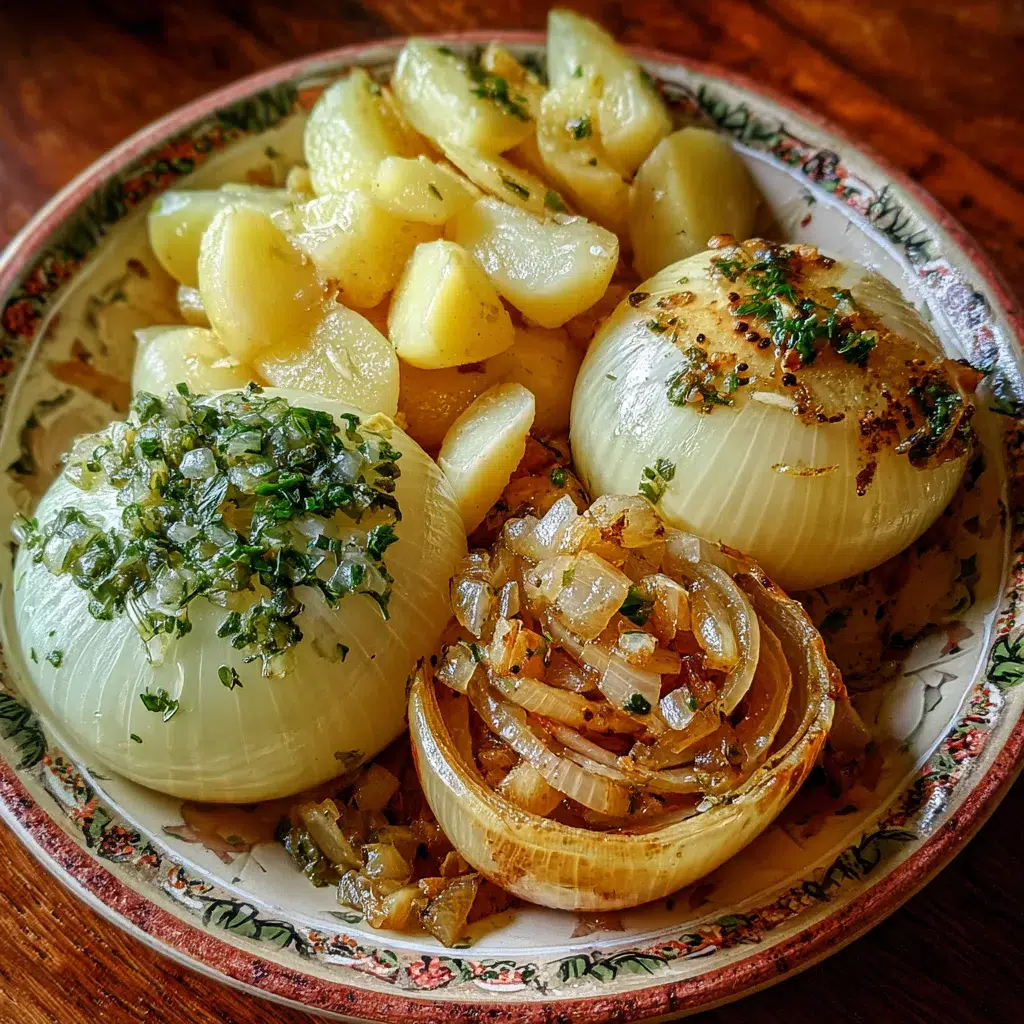

Onion Boil Recipe
Ingredients
Equipment
Method
- Peel onions and trim off the ends. If onions are large, cut them in half to reduce cooking time.
- In a medium pot, bring 4–6 cups of water to a boil. Add salt to enhance sweetness.
- Gently place onions into the boiling water. Lower heat to medium and simmer.
- Simmer for 10–20 minutes depending on onion size. Check for tenderness using a fork.
- Drain the onions in a colander. Drizzle with butter or olive oil and season with herbs or black pepper.
- Serve warm as a side dish, or use in soups, gravies, or sauces.
Nutrition
Notes
Tried this recipe?
Let us know how it was!Ingredients and Preparation for Onion Boil
Essential Ingredients for Onion Boil Recipe
When it comes to making the perfect Onion Boil Recipe, simplicity is the key. You don’t need a pantry full of ingredients—just the basics that let the onion’s natural sweetness shine. Below is a table that breaks down the essentials:
| Ingredient | Quantity | Purpose |
|---|---|---|
| Onions (white, yellow, or red) | 4–6 medium-sized | Main ingredient |
| Water | 4–6 cups | For boiling |
| Salt | 1 tsp (optional) | Enhances flavor |
| Butter or olive oil | 1 tbsp (optional) | Adds richness |
| Fresh herbs (thyme, parsley) | 1–2 sprigs (optional) | Infuses aroma |
| Black pepper | ½ tsp (optional) | Adds mild spice |

These are the core elements, but the recipe is flexible enough to adapt. Some cooks even add garlic, bay leaf, or vinegar for depth. If you enjoy experimenting with bold flavors, you’ll love our Cheesy Ground Chicken Pasta, where onions play an essential role in building richness.
Optional Additions to Enhance Onion Boil
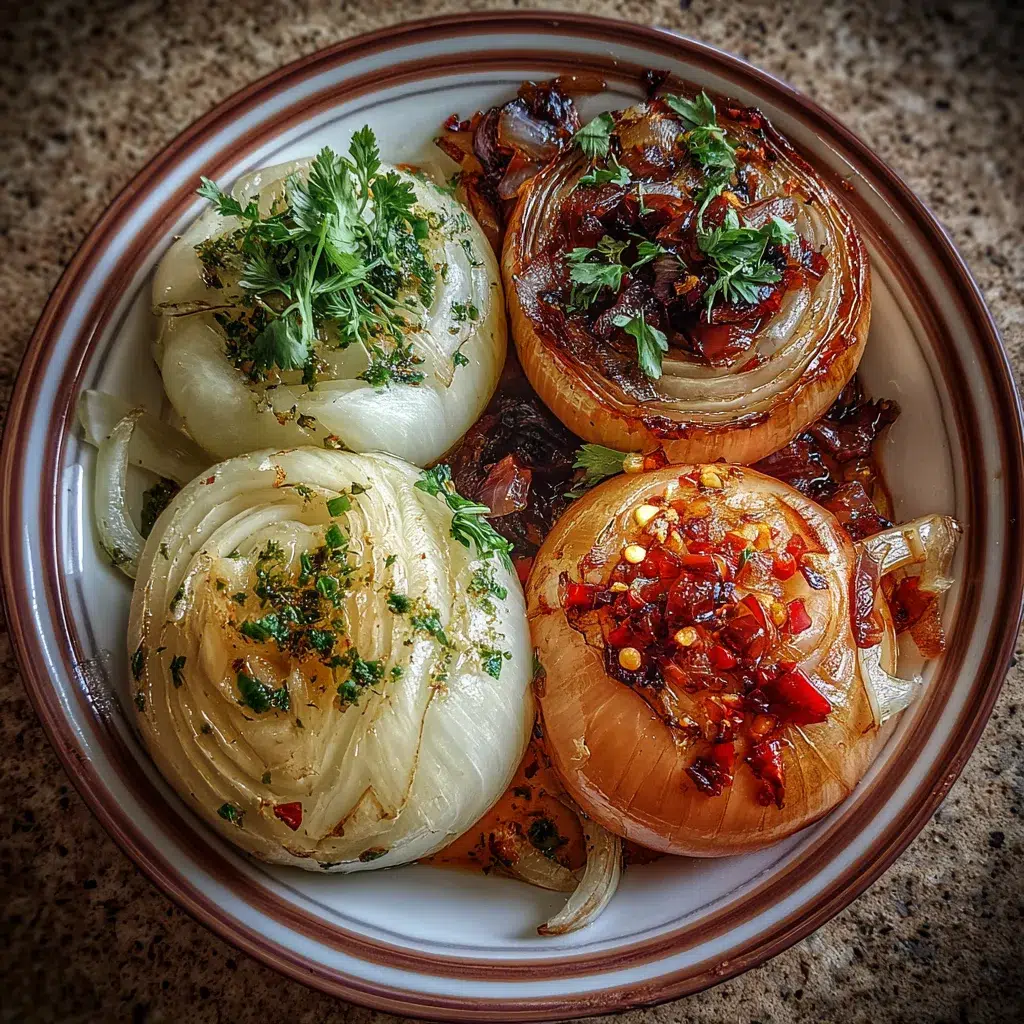
Now, here’s where the fun comes in. Think of this dish as a blank canvas—you can keep it simple or dress it up. Want it richer? Add butter. Craving something with a little kick? Toss in chili flakes. Looking for freshness? Bright herbs like parsley or dill will do the trick.
A few of my favorite variations include:
- Garlic & Bay Leaf – perfect for soups and stews.
- Chili Flakes & Black Pepper – adds a spicy edge.
- Butter & Fresh Herbs – creates a restaurant-style side dish.
By adjusting just one or two extras, you can take this humble Onion Boil Recipe in any direction you like.
Step-by-Step Guide to Onion Boil
How to Boil Onions Properly
Boiling onions is straightforward, but the little details make all the difference. Follow this step-by-step process to achieve perfectly tender, sweet onions every time:
- Prepare the onions – Peel away the papery outer layers and trim the ends. If your onions are very large, cut them in half to reduce cooking time.
- Boil the water – In a medium pot, bring 4–6 cups of water to a rolling boil. Add 1 teaspoon of salt to enhance the natural sweetness.
- Add the onions – Gently place the onions into the boiling water. Lower the heat to medium to avoid over-aggressive boiling.
- Simmer until tender – Depending on their size, cook the onions for 10–20 minutes. Use a fork to test softness—the fork should slide in easily without resistance.
- Drain and season – Once cooked, drain the onions in a colander. Drizzle with butter or olive oil, and sprinkle with herbs or pepper if desired.
- Serve warm – Enjoy as a side dish, mix into stews, or mash into creamy vegetables.
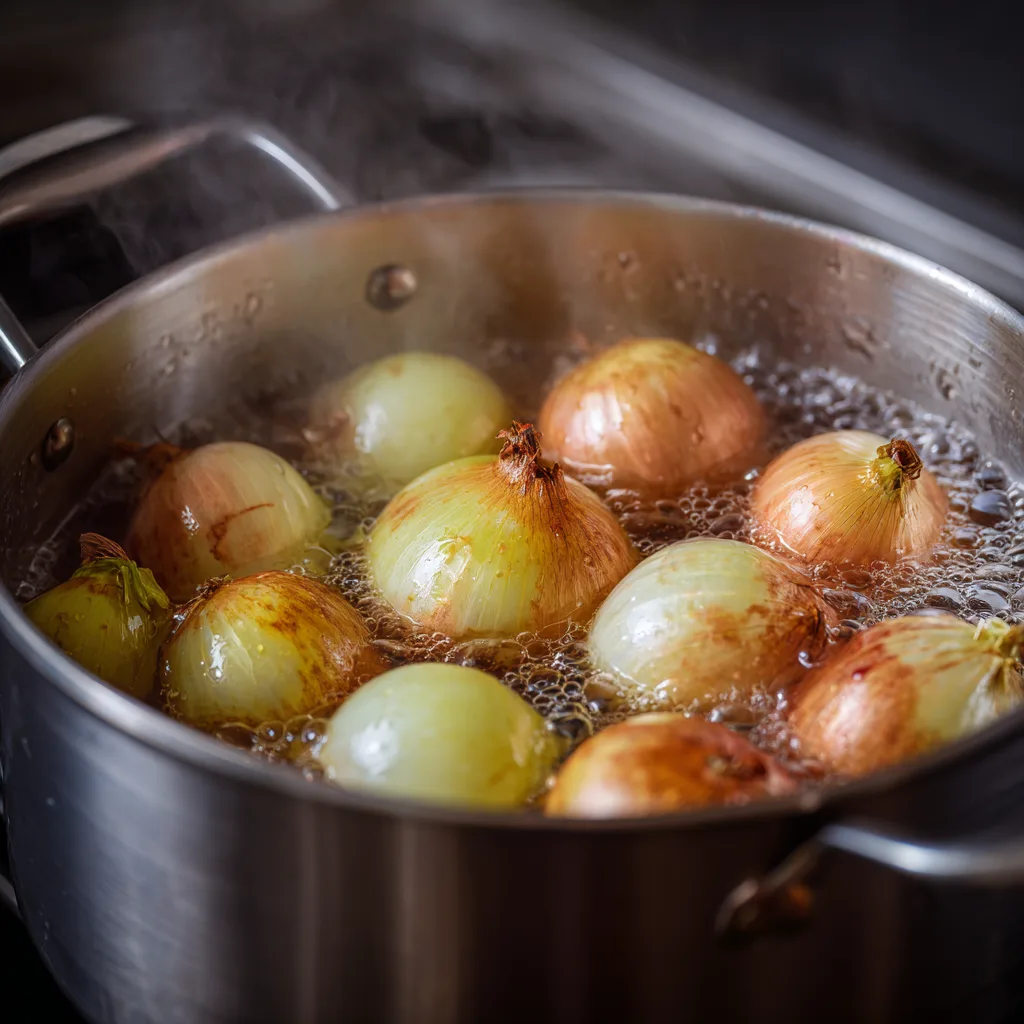
Boiled onions make an excellent base for gravies. For example, our Chicken and Gravy Recipe becomes even smoother and more flavorful when you blend in boiled onions.
Common Mistakes to Avoid in Onion Boil
Even a simple dish like boiled onions has a few pitfalls. Avoid these mistakes to get the best results:
- Overcooking: Leaving onions too long in boiling water makes them mushy and watery. Always check tenderness with a fork.
- Using too much water: Only add enough to cover the onions. This helps retain nutrients and keeps the flavor concentrated.
- Forgetting seasoning: A pinch of salt in the water brings out the onion’s natural sweetness. Without it, the dish can taste flat.
- Rushing the process: High heat can break the onions apart. A gentle simmer gives them time to soften evenly.
Chef’s Tip: If you plan to use boiled onions in soups or sauces, save the cooking water—it becomes a light onion broth that adds depth to other recipes.
Cooking Time and Texture Guide
How Long to Cook Boil Onions?
One of the most common questions about the Onion Boil Recipe is how long to cook onions. The answer depends on the type and size of onion you’re working with. Smaller onions soften quickly, while larger ones take more time to become tender.
Here’s a simple guide to boiling times:
| Onion Type | Cooking Time | Texture Result |
|---|---|---|
| Small pearl onions | 5–7 minutes | Delicate, bite-sized, perfect for salads |
| Medium onions | 10–15 minutes | Soft but still holding shape |
| Large whole onions | 20–25 minutes | Tender throughout, ideal for mashing or purees |
If you’re pairing boiled onions with seafood, they complement delicate proteins perfectly. Discover how they shine alongside fish in our How to Cook Salmon Cut Steaks guide.”
Always test by piercing the onion with a fork. If it slides in smoothly, your onion is ready.
Will Onions Cook in Boiling Water?
Yes, onions cook beautifully in boiling water. In fact, water is one of the most forgiving cooking mediums for them. Boiling not only softens onions but also reduces their pungency, leaving behind a mild, sweet flavor.
The key is controlling the cooking time. Overcooked onions can fall apart and become mushy, while undercooked onions remain firm and too strong in flavor. By following the time guide above, you’ll get perfectly cooked onions every time.
Chef’s Tip: If you plan to use boiled onions in soups or stews, cook them slightly less than the full time. They’ll continue to soften in the broth and add flavor without disintegrating.
Health Benefits of Boiled Onions
What Does Boiling an Onion Do?
When onions are boiled, their strong sulfur compounds begin to break down. This reduces their sharpness and turns their flavor mild and sweet. The heat also softens their fibrous structure, making them gentler on the digestive system. That’s why the Onion Boil Recipe is often recommended for people who find raw onions too harsh.
Boiling doesn’t take away all the goodness—onions still retain plenty of antioxidants and natural compounds that support your health.
Nutritional Benefits of Onion Boil Recipe
Even after cooking, onions are packed with nutrients. Here’s what you can expect from a 100-gram serving of boiled onions:
| Nutrient | Amount | Benefit |
|---|---|---|
| Calories | 40 kcal | Low in calories, good for weight management |
| Carbohydrates | 9.3 g | Provides quick energy |
| Fiber | 1.7 g | Supports digestion and gut health |
| Vitamin C | 5 mg | Boosts immune system |
| Potassium | 146 mg | Helps regulate blood pressure |
| Antioxidants | High | Reduces oxidative stress |
Onions are especially rich in quercetin, a powerful antioxidant known for supporting heart health and reducing inflammation. According to the USDA, compounds in onions like flavonoids and organosulfur elements play a role in lowering blood pressure and improving cardiovascular health (USDA source).
Chef’s Tip: To preserve the most nutrients, avoid boiling onions too long. Just enough simmering to reach tenderness will give you both flavor and nutrition.
Variations of Onion Boil Recipe
Classic Plain Boiled Onions Recipe
Sometimes, the simplest approach is the best. This version is as humble as it gets and highlights the natural sweetness of the onion.
Ingredients:
- 4–6 medium onions (peeled)
- 4 cups of water
- 1 tsp salt
Instructions:
- Bring water and salt to a boil in a medium pot.
- Add peeled onions and simmer for 10–15 minutes.
- Drain, season lightly, and serve warm as a side dish.
Butter and Herb Boiled Onions Recipe
For a richer, more aromatic dish, this variation adds butter and fresh herbs to elevate the flavors.
Ingredients:
- 4–6 medium onions
- 4 cups of water
- 1 tsp salt
- 2 tbsp unsalted butter
- 1 tbsp chopped parsley or thyme
Instructions:
- Boil onions in salted water until fork-tender.
- Drain and transfer to a serving bowl.
- Toss with melted butter and sprinkle with fresh herbs.
- Serve alongside roasted meats or vegetables.
Spicy Boiled Onions Recipe for Extra Flavor
If you enjoy a little heat, this variation gives the boiled onions a zesty, bold kick.
Ingredients:
- 4–6 onions
- 4 cups of water
- 1 tsp salt
- ½ tsp red pepper flakes
- ½ tsp black pepper
- 1 garlic clove, minced
Instructions:
- Add onions, salt, pepper, red pepper flakes, and garlic to boiling water.
- Simmer until onions are tender (10–15 minutes).
- Drain and sprinkle with additional spices for an extra punch.
Variation Comparison Table
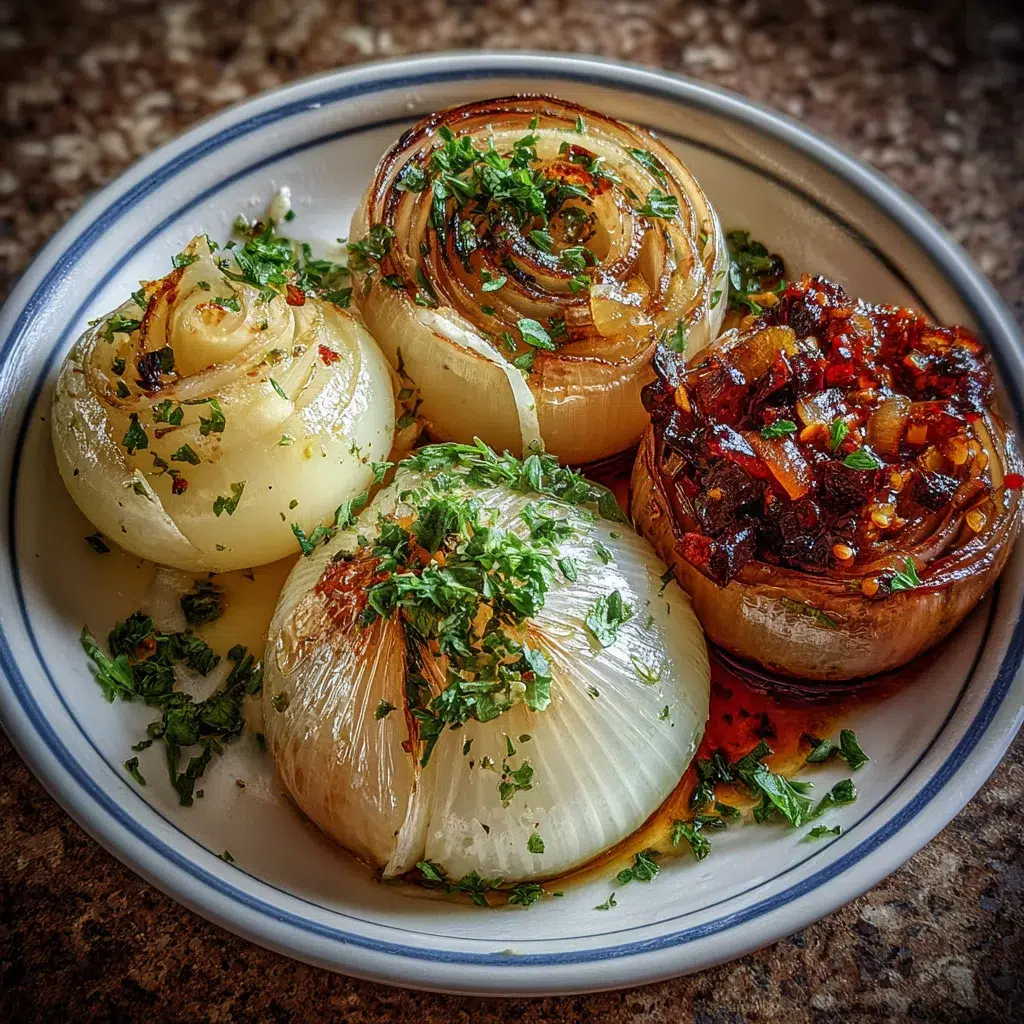
| Recipe Variation | Main Additions | Flavor Profile |
|---|---|---|
| Classic Boiled Onions | Salt, water | Mild, sweet, simple |
| Butter & Herb Boiled Onions | Butter, parsley, thyme | Rich, aromatic, savory |
| Spicy Boiled Onions | Red pepper flakes, garlic | Hot, zesty, bold |
Chef’s Tip: When making these variations, always start with fresh, firm onions. Softer onions tend to overcook quickly and lose their texture.
Boiled Onion vs Raw Onion
Flavor and Texture Comparison
The way you cook an onion changes everything about it—from how it tastes to how it feels when you bite into it. In the Onion Boil Recipe, boiling softens the onion, making it mild and sweet. On the other hand, raw onions are sharp, crunchy, and often overpowering.
- Boiled Onions: Tender, smooth, and subtly sweet. They’re gentle on the palate and pair well with almost any dish.
- Raw Onions: Crisp, pungent, and sometimes spicy, adding a bold bite to salads and sandwiches.
Nutritional Differences
Both raw and boiled onions carry health benefits, but boiling does change the nutrient balance slightly. Raw onions keep more vitamin C, while boiled onions lose a little of that but remain easier to digest.
Here’s a breakdown:
| Feature | Raw Onion | Boiled Onion |
|---|---|---|
| Flavor | Strong, pungent | Mild, sweet |
| Texture | Crunchy | Soft, tender |
| Vitamin C | Higher | Slightly reduced |
| Digestibility | May cause bloating or gas | Easier to digest |
| Best Use | Salads, burgers, dressings | Soups, stews, side dishes |
Chef’s Tip: If you love the crunch of raw onions but want to tame their sharpness, soak sliced onions in cold water for 10 minutes before serving. It mellows their flavor without cooking.
Storage and Usage Ideas
How to Store Onion Boil Recipe
Once you’ve prepared the Onion Boil Recipe, proper storage is key to maintaining flavor and freshness. Boiled onions can be enjoyed right away, but they also hold up well for meal prep when stored correctly.
Here’s a guide to storage methods:
| Storage Method | Duration | Best Practices |
|---|---|---|
| Room Temperature | Up to 2 hours | Eat immediately or refrigerate to avoid spoilage |
| Refrigerator (airtight container) | 3–5 days | Allow onions to cool before sealing to prevent moisture buildup |
| Freezer (airtight bag or container) | Up to 3 months | Freeze in small portions for easy use later |
Chef’s Tip: When freezing, spread boiled onions on a baking sheet first. Once frozen, transfer them to a freezer-safe bag. This prevents clumping and makes portioning easier.
Creative Ways to Use Boiled Onions in Recipes
Boiled onions are far more versatile than most people realize. They can slip into countless dishes to add natural sweetness and depth. Here are some creative ways to use them:
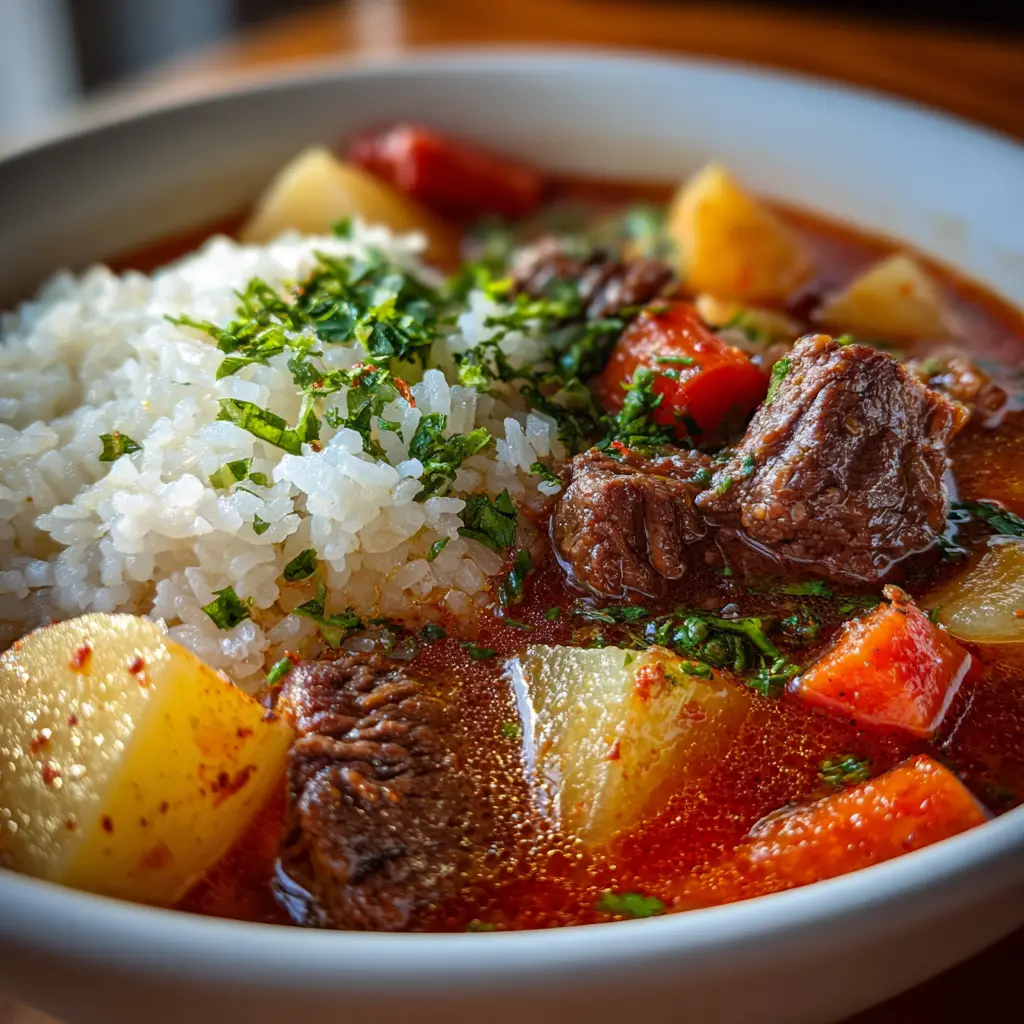
- Soups & Stews: Add boiled onions for richness and body, or blend them into a creamy base. They blend perfectly into our Hawaiian Beef Stew Recipe, adding both depth and natural sweetness.
- Mashed Vegetables: Mix with mashed potatoes, carrots, or parsnips for extra flavor.
- Salads: Chop and toss them into grain or pasta salads for a mellow bite.
- Gravy & Sauces: Puree boiled onions for a smooth, naturally thickened sauce.
- Sandwiches & Wraps: Spread softened onions as a mild alternative to caramelized onions.
- Pasta & Casseroles: Stir into baked pasta dishes for added sweetness and moisture.
Chef’s Tip: Don’t discard the onion boiling water—it’s a light broth that can be used as a base for soups, risottos, or even to cook rice for extra flavor.
FAQs About Onion Boil Recipe
What to put in an onion boil?
At its core, the Onion Boil needs only onions, water, and a pinch of salt. To enhance flavor, you can add butter, olive oil, herbs like parsley or thyme, or spices such as black pepper and chili flakes. Some cooks even drop in garlic or bay leaves for an aromatic twist.
How long should I boil an onion for?
The cooking time depends on onion size:
Small pearl onions: 5–7 minutes
Medium onions: 10–15 minutes
Large whole onions: 20–25 minutes
Always check tenderness with a fork. If it pierces easily, the onion is done.
Is an onion boil good for you?
Yes. Boiled onions are both nourishing and gentle on the stomach. According to WebMD, onions provide vitamin C, fiber, and antioxidants like quercetin, which may help lower blood pressure, support heart health, and boost immunity.
How to use an onion for a boil?
Onions can be boiled whole, halved, or sliced, depending on your dish. They work well in soups, gravies, mashed vegetables, or even as a simple side. For inspiration, try them in our Busy Day Soup Recipe, where they add natural sweetness and body.
Does onion boil recipe help with inflammation?
Yes. Onions, even when boiled, contain antioxidants and sulfur compounds that may help reduce inflammation and support circulation. This makes them a valuable addition to a balanced diet.
Do boiling onions destroy nutrients?
Boiling may slightly reduce vitamin C (a water-soluble nutrient), but most antioxidants, minerals, and fiber remain intact. To keep the most nutrition, simmer onions just until tender and use the cooking liquid as a light broth for soups or rice.
Conclusion – Why You Should Try This Onion Boil Recipe
Boiling onions might seem too simple at first glance, but sometimes the simplest recipes are the ones that surprise us most. The Onion Boil Recipe takes an ingredient we often overlook and transforms it into something tender, sweet, and nourishing. It’s a dish that doesn’t ask for much—just a pot, some water, and a handful of onions—yet it delivers comfort that feels timeless.
Whether you serve them plain, toss them with butter and herbs, or spice them up with garlic and chili, boiled onions fit seamlessly into any meal. They can anchor a hearty stew, melt into a gravy, or simply sit on the plate as a gentle side. And the best part? They’re as good for your health as they are for your taste buds.
So, the next time you’re in the kitchen, don’t underestimate the power of boiling onions. Try it once, and you might just find yourself reaching for this humble recipe again and again. For another simple and heartwarming dish.
Final Tips from the Chef’s Notebook:
- Use fresh, firm onions for the best texture and flavor.
- Don’t overcook—aim for fork-tender, not mushy.
- Save the cooking water—it’s liquid gold for soups, rice, or sauces.