Soup is one of the most comforting meals you can make, but let’s be honest—sometimes it falls flat. Have you ever taken a sip and wondered, how do you make boring soup better? You’re not alone. Many soups taste bland because the base isn’t strong enough or the seasonings are off balance. Luckily, turning a plain pot of soup into something flavorful doesn’t require fancy ingredients or complicated steps.
In this guide, we’ll explore practical ways to make boring soup better, from seasoning fixes and texture upgrades to creative toppings and global flavor ideas. You’ll also learn how to avoid common mistakes that ruin soup and how to use seasonal or diet-friendly tweaks to make your dishes both tasty and nourishing. Whether you’re working with a simple vegetable broth or experimenting with rich stews, the strategies here will help you elevate your cooking.
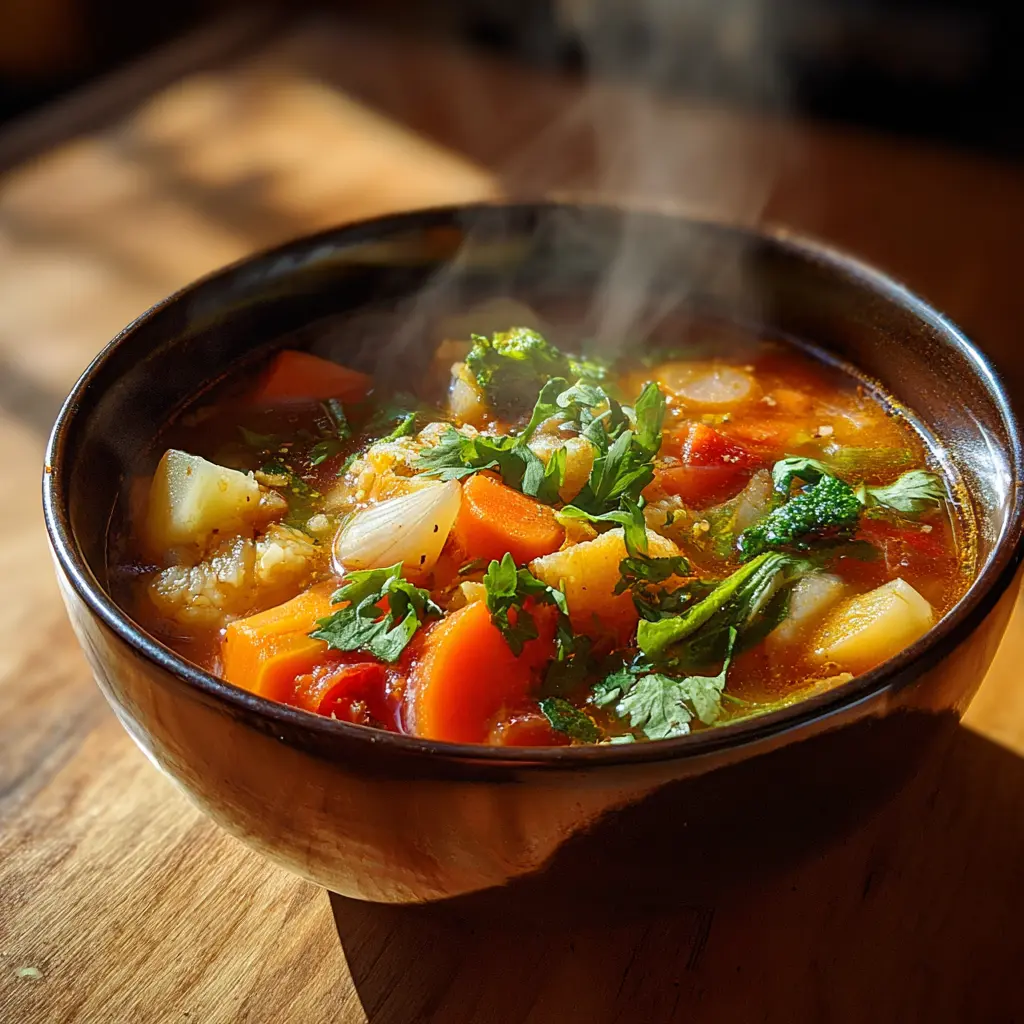
Looking for inspiration? Try this Busy Day Soup Recipe for a quick example of how a few smart choices can transform soup into a satisfying meal.
Understanding Why Soup Tastes Bland
Why Soup Sometimes Lacks Flavor
Bland soup usually comes down to one problem: the foundation isn’t strong. If your broth or stock lacks depth, it doesn’t matter what you add later—it will always taste thin. Using plain water as a base without extra seasonings or aromatics is a common culprit. Similarly, not letting ingredients simmer long enough to release their full flavor can leave soup tasting weak. For anyone asking how to make boring soup better, the answer often begins with improving the base.
The Importance of a Strong Soup Base
Think of the soup base as the canvas for the dish. A homemade broth, simmered with bones, vegetable scraps, and fresh herbs, provides richness and complexity that boxed broths can’t fully match. If making stock from scratch isn’t possible, you can still boost a store-bought version by simmering it with onions, garlic, celery, and bay leaves for extra depth.
Even if you’re starting with water, don’t worry—you can build flavor. Adding umami-rich ingredients like soy sauce, miso paste, fish sauce, or nutritional yeast can instantly make the base more satisfying. These upgrades are often the simplest way to make boring soup better without much effort.
How to Taste and Adjust Soup Properly
Seasoning soup is more than just throwing in salt at the end. The key is tasting as you go. A pinch of salt enhances all the flavors, but don’t overlook acidity or sweetness. A splash of vinegar or squeeze of lemon can brighten the taste, while a touch of sugar or honey balances bitterness.
Pro tip: Before reaching for extra spices, ask yourself—does it need more salt, more acidity, or just a touch of sweetness? Adjusting these three elements is often all it takes to rescue a flat soup and turn boring soup better with just one adjustment.

Busy Day Soup
Ingredients
Equipment
Method
- Heat olive oil in a large pot over medium heat. Add diced onion and cook until translucent.
- Add garlic, carrots, and celery. Cook for 5–7 minutes, stirring occasionally.
- Stir in oregano, thyme, broth, and diced tomatoes with juice. Bring to a boil.
- Reduce heat and simmer for 10 minutes to let flavors develop.
- Add pasta and cook according to package directions until al dente, 8–10 minutes.
- Add frozen peas and stir. Simmer for 2 more minutes. Adjust seasoning.
- Stir in lemon juice if using. Ladle soup into bowls and garnish with parsley.
Nutrition
Notes
Tried this recipe?
Let us know how it was!Quick Fixes to Instantly Improve Soup Flavor
Balancing Salt, Acid, and Spices
One of the fastest ways to make boring soup better is to adjust the seasoning. Salt is a natural flavor booster, but it needs balance. Too little leaves the soup dull, while too much overpowers everything. Add it gradually and taste often. Alongside salt, acidity can brighten a flat-tasting broth. A splash of vinegar, a squeeze of lemon juice, or even a spoonful of pickle brine can add the zing your soup is missing.
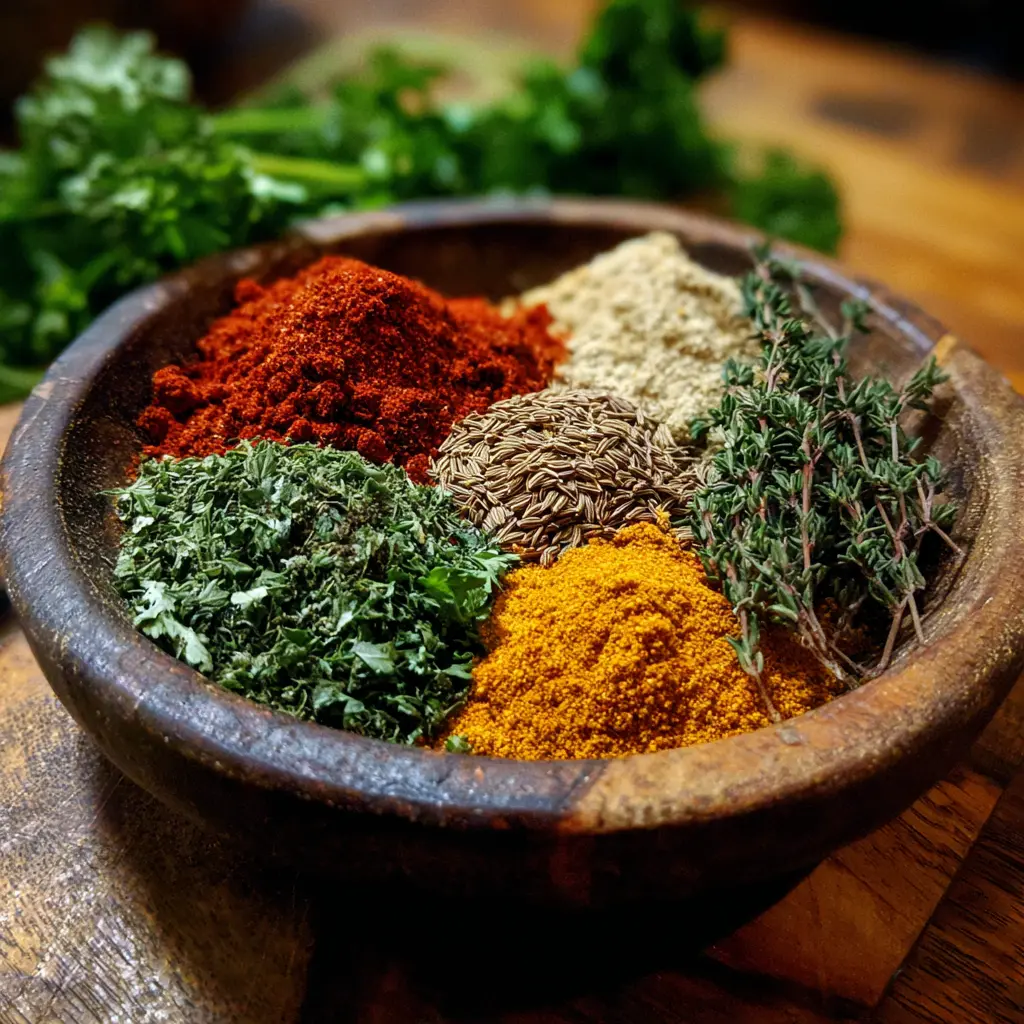
Don’t forget spices. A sprinkle of cumin, paprika, or turmeric can shift the entire flavor profile. For an even bolder taste, try toasting spices in a dry pan before adding them to your pot—this step wakes up their natural oils and instantly makes boring soup better.
For example, Harvard Health notes that building flavor with herbs, spices, and fresh vegetables is one of the healthiest and easiest ways to upgrade soup while also improving its nutritional value.
Using Fresh Herbs vs. Dried Herbs
Herbs can dramatically transform flavor. Fresh herbs like parsley, cilantro, or basil add brightness and should be added at the very end to preserve their delicate taste. On the other hand, dried herbs such as oregano, thyme, or rosemary need time to release their oils and should be added earlier in cooking.
If your soup feels flat, think about which type of herb could lift it. Adding fresh dill to a potato soup or thyme to chicken broth is often the trick that turns boring soup better in just minutes.
Adding Cream, Dairy, or Plant-Based Alternatives for Richness
Sometimes, the missing element in soup is richness. A splash of cream, a dollop of sour cream, or grated Parmesan can bring body and luxury to the bowl. For dairy-free options, coconut milk or cashew cream adds a silky texture that works especially well in curries and vegetable soups.
Even a small amount of fat or creaminess can make boring soup better, transforming a thin, watery base into something comforting and indulgent.
Enhancing Soup Texture for More Satisfaction
Blending vs. Mashing: Changing Soup Consistency
Flavor is important, but texture plays an equally big role in how satisfying a soup feels. If your broth tastes fine but still feels thin, blending part of it can instantly add body. A hand blender works well for creamy soups like butternut squash or tomato, while a potato masher can thicken chunkier soups without making them completely smooth.
For anyone wondering how to make boring soup better, adjusting texture is often the missing step. Even blending just half the soup and leaving the rest chunky can give you the best of both worlds—creamy depth with a rustic bite.
Adding Grains, Noodles, and Rice to Build Heartiness
Sometimes the problem isn’t taste but substance. A thin vegetable broth can feel unsatisfying until you add a filling component like pasta, rice, or barley. These starches absorb flavor as they cook and help turn a light soup into a full meal.
To keep textures from going mushy, cook grains or noodles separately and add them just before serving. This way, you can control the consistency and keep leftovers tasting fresh. A handful of orzo or wild rice is often all it takes to make boring soup better and transform it into comfort food.
Adding Crunch with Toppings Like Croutons or Nuts
Texture contrast is one of the easiest ways to liven up soup. Crunchy toppings like croutons, toasted nuts, or crispy chickpeas provide a satisfying bite against a smooth or brothy base. Even a sprinkle of fried onions or garlic chips can wake up a bowl instantly.
When you’re asking how to make boring soup better, don’t underestimate toppings. They add both flavor and excitement, turning an ordinary soup into something crave-worthy.

Check out this Purple Bean Soup Recipe for inspiration—its hearty base and optional crunchy toppings show how texture makes all the difference.
Transforming Soup with Flavorful Toppings
Flavorful Oils, Drizzles, and Condiments
Sometimes the answer to making boring soup better is as simple as a drizzle. Finishing oils and condiments pack concentrated flavor that instantly elevates a dish. Try a swirl of chili oil, garlic-infused olive oil, or sesame oil for an Asian twist. Even a spoonful of pesto or a balsamic glaze can add a burst of richness and tang.
Adding these elements right before serving keeps their flavors bright and bold, giving each bite more character. A plain soup suddenly becomes layered, complex, and exciting.
Adding Protein for Depth and Nutrition
If your soup feels flat, protein may be what it’s missing. Roasted chicken, browned sausage, or even pan-seared tofu can transform a weak broth into a hearty meal. For vegetarian options, sautéed mushrooms or roasted chickpeas add both depth and chew.
When you’re wondering how to make boring soup better, adding protein isn’t just about nutrition—it builds flavor, texture, and satisfaction all at once.
Garnishes: Fresh Herbs, Spices, and Cheese as Finishing Touches
The final flourish often makes the biggest impression. Garnishes like fresh parsley, dill, or cilantro don’t just look pretty—they brighten flavor. A sprinkle of smoked paprika, grated Parmesan, or toasted seeds can also provide that last pop of taste your soup needs.
Garnishing is the finishing step that makes boring soup better because it ties everything together. It’s the small detail that can transform an average bowl into one that feels gourmet.
Avoiding Common Soup-Making Mistakes
Why Adding Too Many Ingredients Can Ruin Soup
It’s tempting to think that tossing more ingredients into the pot will automatically make boring soup better, but the truth is, too much can backfire. When you combine too many strong flavors, they often clash instead of blending, leaving your soup tasting muddled. A few well-chosen vegetables, spices, or proteins are usually enough to create balance.
A clean, focused flavor profile is what separates a satisfying soup from a confusing one. Sometimes less really is more.
The Importance of Taste-Testing While Cooking
One of the simplest secrets to making boring soup better is also the most overlooked: taste as you cook. Soup flavors evolve while simmering, and what tasted bland 10 minutes ago may be perfect now—or vice versa.
A spoonful every so often lets you make small adjustments with salt, acidity, or sweetness before the soup is finished. This practice ensures the final result is layered and balanced rather than one-dimensional.
Timing Ingredients for Best Flavor and Texture
Even if your seasonings are right, adding ingredients at the wrong time can ruin texture. Tossing delicate greens in too early can turn them mushy, while beans or grains added too late may stay undercooked.
To make boring soup better, learn to stagger additions. Root vegetables like carrots or potatoes should go in first, while quick-cooking items like spinach or peas are best added just before serving. Timing keeps flavors bright and textures satisfying.
For example, University of Nebraska–Lincoln recommends adding herbs, spices, and vegetables thoughtfully throughout the cooking process instead of all at once, so their flavors remain distinct and complementary.
Global Inspiration for Better Soup Flavors
Asian-Inspired Soup Flavors (Miso, Soy Sauce, Ginger)
When you’re trying to make boring soup better, Asian cuisines provide endless inspiration. A spoonful of miso paste adds deep umami, while soy sauce balances saltiness with complexity. Fresh ginger or lemongrass can bring a bright, aromatic kick. For even more heartiness, add soba noodles, dumplings, or wontons.
Dishes like Thai coconut curry soup or hot and sour soup show how heat, creaminess, and tang can work together to create excitement in every spoonful.
Mediterranean & Middle Eastern Soup Enhancements
Mediterranean and Middle Eastern flavors are excellent for turning boring soup better without much effort. A squeeze of lemon or a sprinkle of sumac brightens flavor instantly. Warm spices like cumin, coriander, and za’atar bring earthy richness, while tahini or yogurt can add creamy depth.
Fresh herbs such as mint, parsley, or cilantro complete the picture, giving soups a refreshing lift. Even a chickpea and tomato base can feel gourmet with the right spice combination.
Latin American Soups: Brightness and Boldness
Latin American soups prove that bold seasonings and fresh toppings can easily make boring soup better. Think pozole with hominy and chili peppers, or caldo de pollo with lime and cilantro. Adding ingredients like corn, avocado, or black beans not only adds flavor but also texture and richness.
Seasonal Ingredients for Flavorful Soups
Why Seasonal Produce Makes a Difference
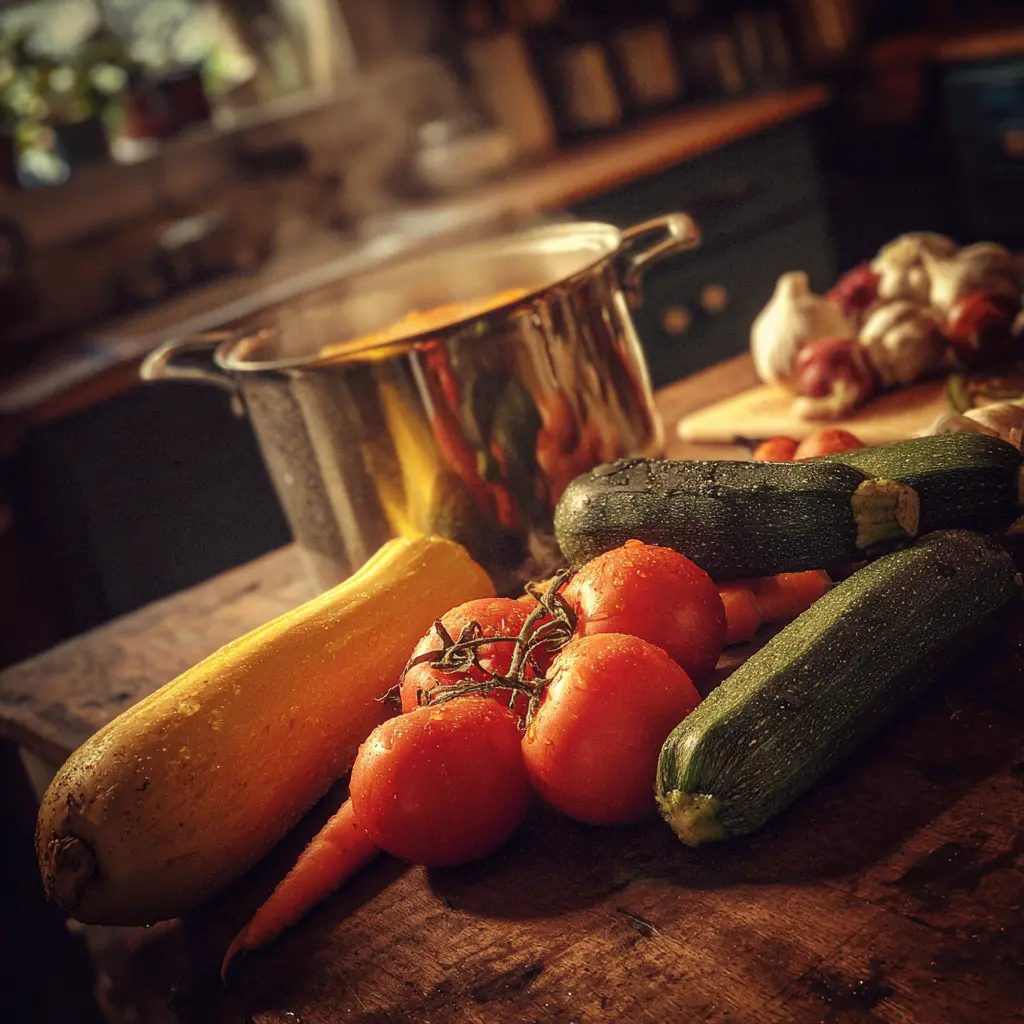
One of the simplest ways to make boring soup better is by cooking with seasonal produce. Vegetables and herbs harvested at their peak have more natural flavor, color, and nutrients. Summer brings juicy tomatoes, sweet corn, and zucchini, which brighten up lighter broths. In the fall, root vegetables like carrots, parsnips, and butternut squash add warmth and richness.
Seasonal ingredients not only taste better but are often more affordable, making them a smart choice for everyday cooking.
Best Seasonal Ingredient Pairings
Pairing flavors thoughtfully can take soup from average to exceptional. In winter, earthy mushrooms paired with nutty wild rice create cozy depth. In spring, asparagus with lemon zest offers a bright, refreshing touch. Fall pairs beautifully with squash, apples, and warming spices like cinnamon.
When you’re wondering how to make boring soup better, pairing seasonal vegetables with complementary herbs and grains often gives you the answer.
How Roasting Vegetables Can Transform Soup Flavor
Another seasonal trick is roasting vegetables before adding them to your soup. Roasting caramelizes natural sugars, deepening flavor and adding smokiness. Roasted carrots, tomatoes, or bell peppers can dramatically improve a plain broth.
This technique is one of the fastest ways to make boring soup better while also creating a more complex, restaurant-style flavor at home.
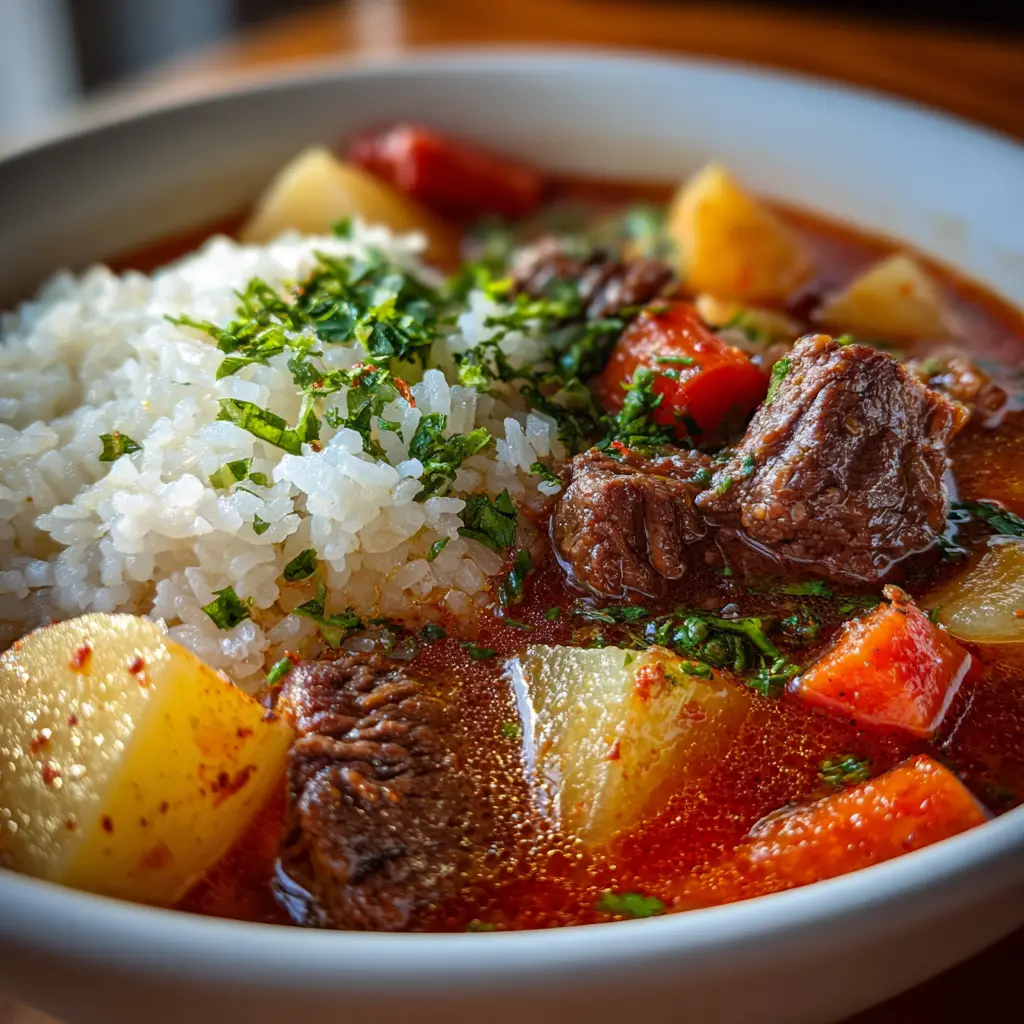
For a hearty variation that showcases seasonal richness, check out this Hawaiian Beef Stew Recipe—its mix of tender meat and seasonal vegetables makes it deeply flavorful and satisfying.
Crafting Soups for Special Diets
Vegetarian & Vegan Soup Flavor Boosters
It’s easy to make boring soup better while keeping it plant-based. Instead of chicken or beef stock, use a rich vegetable broth enhanced with miso, soy sauce, or nutritional yeast for that savory umami flavor. Lentils, chickpeas, and black beans add both protein and texture, making the soup hearty enough to stand on its own.
For creaminess without dairy, try blending potatoes, cauliflower, or cashews into the broth. Coconut milk also adds body while pairing well with curries or spiced vegetable soups.
Gluten-Free and Low-Carb Soup Improvements
Many people think special diets mean flavor limitations, but that’s not the case. To make boring soup better while staying gluten-free or low-carb, replace pasta with spiralized zucchini, shirataki noodles, or cauliflower rice. These options keep the soup filling without extra starch.
For thickening, skip flour and cornstarch. Instead, use pureed vegetables, chia seeds, or beans for a natural, nutrient-rich texture boost.
High-Protein Soup Options Without Meat
Even without meat, you can still create protein-packed soups that feel indulgent. Quinoa, lentils, tofu, and edamame are excellent additions that make boring soup better while boosting nutrition. Pair them with strong seasonings like garlic, paprika, or curry blends to maximize flavor.
Soups built around legumes or grains not only satisfy hunger but also keep you energized longer, making them a smart option for both taste and health.
For a creative twist, see this Lamb Lentils Recipe, which balances hearty protein with earthy flavors—a concept you can adapt even in meat-free versions.
FAQs
How to enhance bland soup?
The easiest way to make boring soup better is by balancing flavor with salt, acidity, and spices. A splash of lemon juice or vinegar brightens the broth, while garlic, onion, or toasted spices add depth. Fresh herbs or a drizzle of flavored oil just before serving can instantly lift the dish.
What does bland soup mean?
Bland soup usually means the flavor is weak, unbalanced, or flat. This happens when the broth lacks richness, the seasonings are minimal, or the soup wasn’t cooked long enough to develop depth. In short, bland soup lacks the excitement that makes a meal satisfying—exactly why learning how to make boring soup better is so important.
What to add to broth to make it taste better?
To make boring soup better, start by adding aromatics like garlic, onion, and celery. Umami-rich ingredients such as soy sauce, miso, fish sauce, or Parmesan rinds can deepen flavor. Fresh herbs, vinegar, or citrus can then brighten the broth for a balanced finish.
How to make soup to get better?
If you’re wondering how to make boring soup better, start by focusing on three things: a strong base, proper seasoning, and texture. Simmering longer builds richness, while adding herbs, protein, or grains makes the soup more filling. Don’t forget to taste as you go—small adjustments often make the biggest difference.
Does bland mean no flavor?
Not exactly. Bland doesn’t mean zero flavor; it means the flavors are weak, dull, or unbalanced. A bland soup might taste watery or one-note. With the right tweaks, you can make boring soup better by layering spices, herbs, and acidity to create complexity.
Is chicken noodle soup considered bland?
Traditional chicken noodle soup can sometimes be bland if the broth is weak or under-seasoned. However, when made with a rich stock, fresh herbs, and plenty of aromatics, it becomes flavorful and comforting. If your chicken noodle soup feels flat, small upgrades like lemon juice, dill, or garlic can quickly make boring soup better.
Conclusion: Final Thoughts on How to Make Boring Soup Better
Soup doesn’t have to be dull or disappointing. If you’ve ever wondered how to make boring soup better, the answer lies in small but smart adjustments. Start with a strong base, taste often, and don’t be afraid to balance salt, acid, and sweetness as you cook. Texture also matters—adding grains, noodles, or crunchy toppings can instantly make a thin broth more satisfying.
Global flavors, seasonal produce, and thoughtful garnishes give you endless ways to experiment. And whether you’re cooking for a specific diet or simply trying to stretch your pantry ingredients, there’s always a simple upgrade that can take your soup from plain to delicious.
Ultimately, the key to making boring soup better is creativity. By layering flavors, playing with textures, and adding finishing touches, you can transform even the simplest pot into a nourishing, flavorful meal that keeps you coming back for more.
Don’t miss our Jamaican Chicken Soup Recipe and Ultimate Chopt Soup Recipe for inspiration—they’re proof that with the right techniques, even the most basic soup can become a standout dish.